A beam is hard to sell one ship at a time
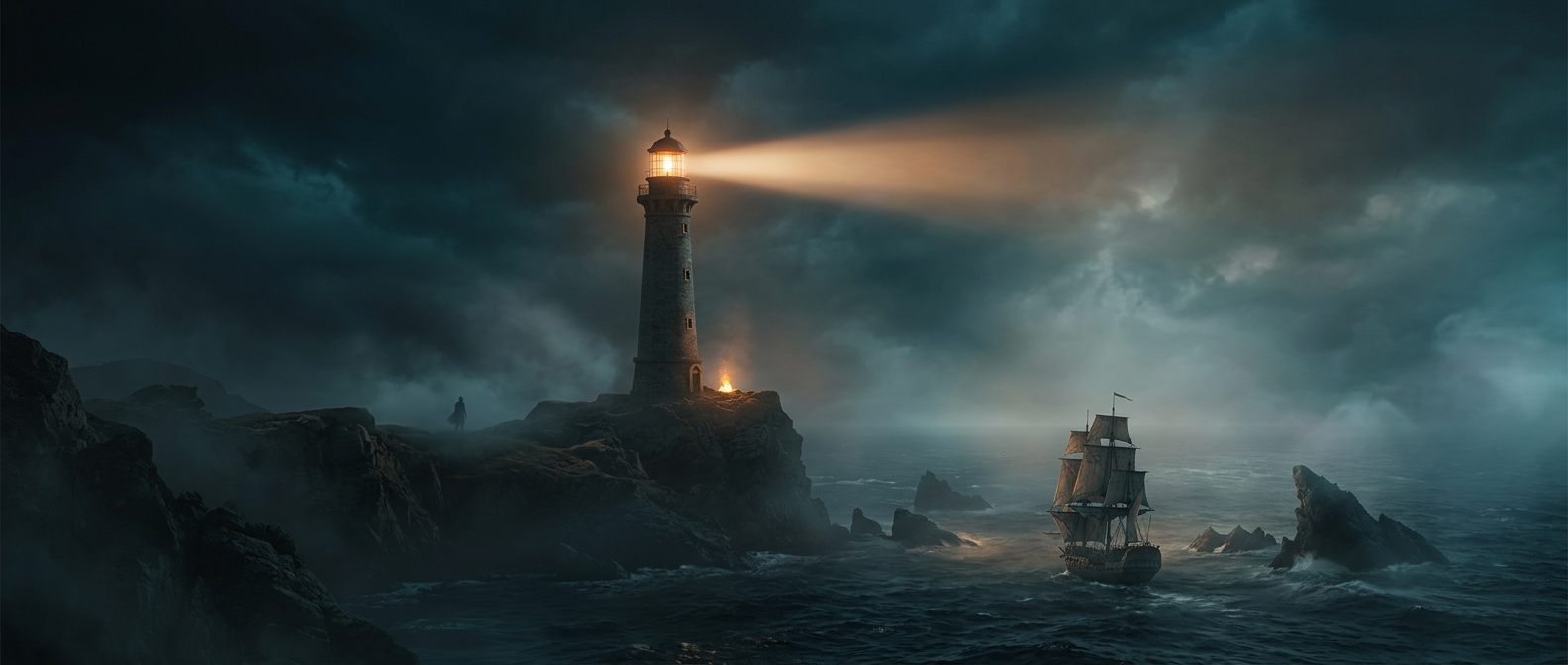
A lighthouse’s light has an unusual economic property: once it is visible, ships nearby can use it whether or not they helped pay for it. Blocking the beam from a particular vessel would be impractical, and one ship’s use does not prevent another from seeing it. Economists call a service with these traits a public good: it is difficult to exclude nonpayers, and users do not simply consume it up.
That creates a mismatch between who benefits and who has an incentive to fund the service. A shipowner might reason that paying is pointless if the light will guide the ship anyway. If enough owners make that calculation, voluntary payments may not cover the cost of building and maintaining the lighthouse—even though safe navigation benefits many vessels.
The funding problem changes the solution
This is the free-rider problem: people can benefit from a shared service while leaving its costs to others. It does not mean a lighthouse cannot be privately owned or operated. It means that charging each passing captain directly is a poor way to recover the cost of a beam that cannot be withheld from nonpayers.
A society can instead fund such services collectively, or arrange payment through a system that reaches users indirectly. The key economic question is not whether ships value the light, but whether there is a workable way to turn that shared benefit into reliable revenue. A lighthouse makes the distinction vivid: the beam can guide every ship in sight, while the bill cannot easily follow each one.