What a Bottled-Water Date Is Actually Tracking
A date printed on bottled water is generally a quality date, not a moment when the water suddenly becomes unsafe. In a sealed bottle, water does not spoil in the way milk or juice can: it lacks the nutrients that let many spoilage microbes multiply. The date instead gives a window for the product to remain as the bottler expects it to taste and smell while the package stays intact and is stored properly.
The Package Is Part of the Product
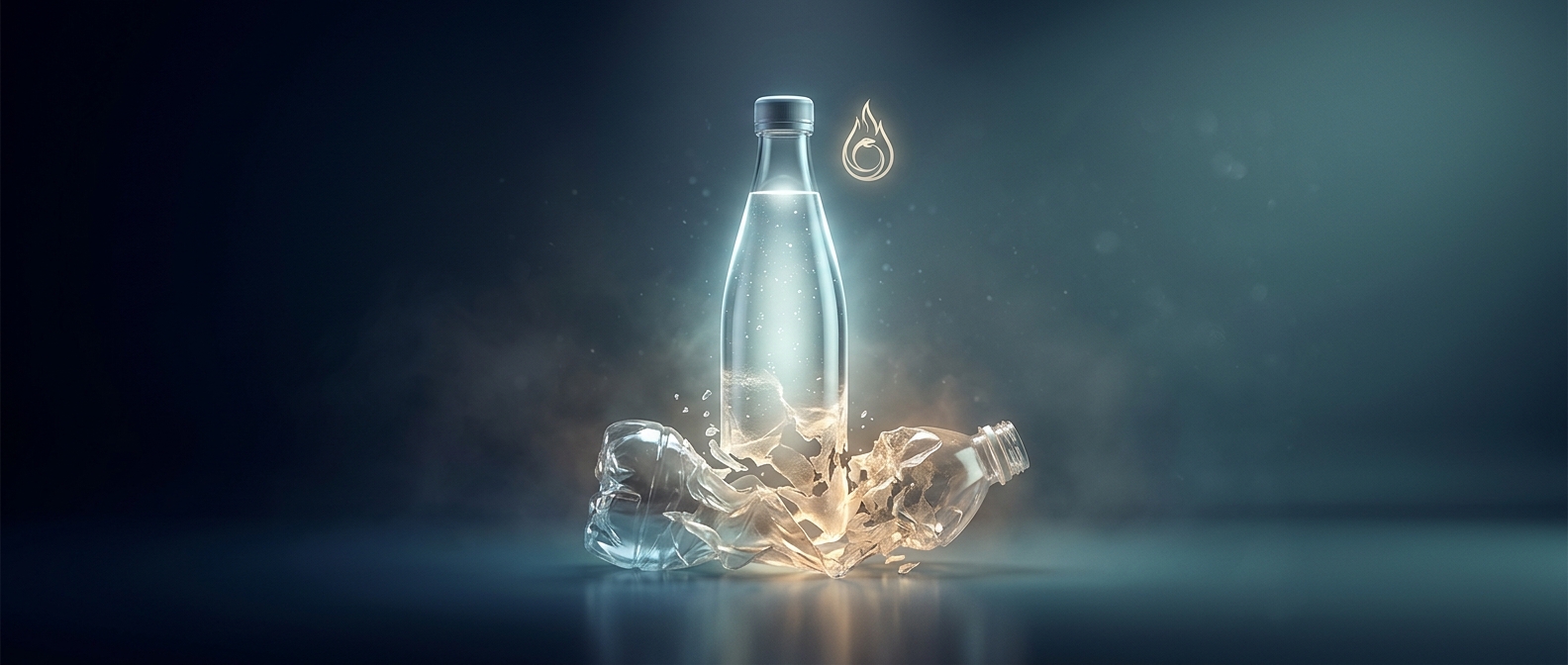
Plastic is not a perfect, unchanging barrier. Over time, and especially under heat or direct sunlight, the bottle and its closure can affect the water’s taste or odor. The seal can also weaken or the container can be damaged. These are gradual changes in packaging and quality—not a countdown after which every bottle’s contents abruptly go bad.
That is why a date on the label should be read as guidance about the packaged product’s expected shelf life, rather than a scientific expiration point for water itself. Labeling practices can vary, and a printed date does not certify that a bottle was stored well.
When to Use Caution
An unopened bottle stored in a cool, shaded place is different from one left for a long time in a hot car. Avoid drinking from a bottle that is leaking, visibly damaged, or has an unusual smell or taste. Once opened, it can also be contaminated by contact with hands or the mouth, so its condition depends on how it is handled and stored.
The practical takeaway: the date is about maintaining the quality of water in its container—not proof that the water turns bad on that day.