How Three Knocks Became a Sitcom Signature
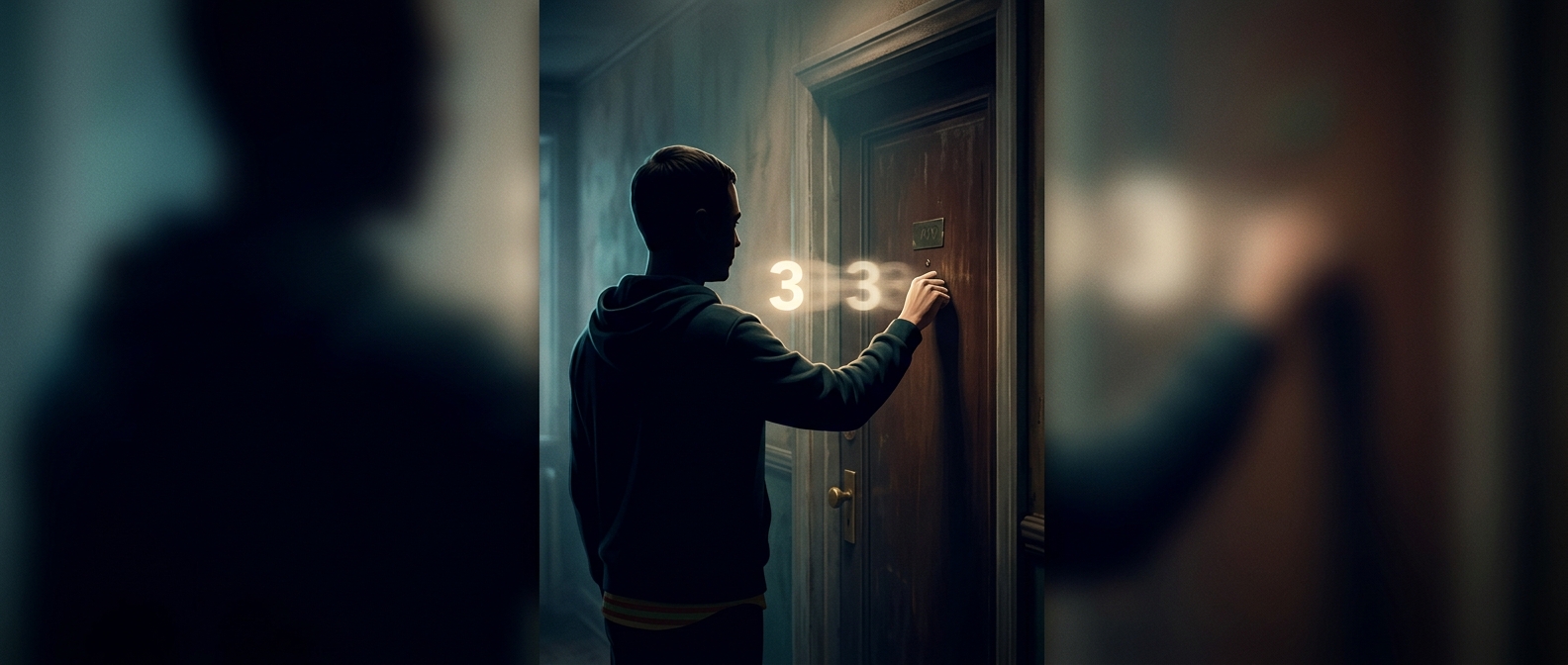
A knock is usually just a signal that someone is waiting. For Sheldon Cooper, it becomes a small performance with a rule: the count has to be completed before the visit can proceed. That turns a routine doorway pause into a miniature scene, giving viewers a beat to recognize before anyone even opens the door.
The joke works because the behavior is both oddly precise and completely ordinary in form. Sheldon is not announcing a grand plan; he is trying to enter a room. The mismatch between the low stakes and the seriousness of the ritual makes his need for order visible without requiring a long explanation.
Repetition Turns Character Into Comedy
In a sitcom, a repeated action can become a kind of shorthand. Once viewers know the pattern, the first knock carries a promise: there will be more, and the interruption will last longer than a normal greeting. The audience can anticipate the beat, while the people on the other side of the door have to live through it.
That predictability also lets the show play with timing. A familiar ritual can interrupt a conversation, delay an entrance, or make another character’s impatience part of the joke. The three knocks are therefore more than a quirky habit: they are a compact piece of comic staging, turning Sheldon’s insistence on doing things his way into something the audience can hear.