A Suit Turns Barney Into a Walking Rule
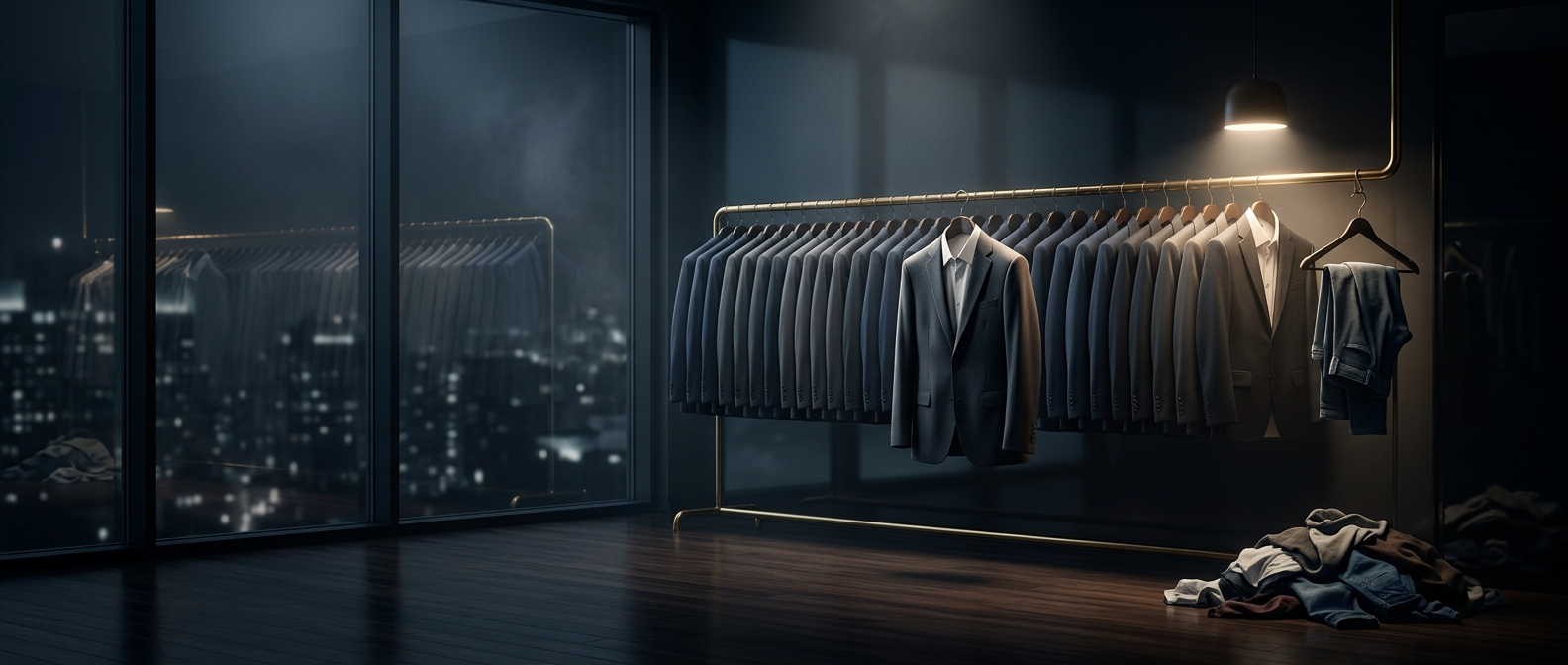
Barney Stinson’s suits work as more than a wardrobe choice: they make his character readable at a glance. In a group of friends dressed for ordinary life, he appears as if he is always on his way to a deal, a date, or a formal event. That polished look supports the image he tries to project—confident, controlled, and perpetually ready to perform.
The joke sharpens because the suit is not merely his preferred outfit. It behaves like a personal rule. When even a medical emergency fails to make him reach for sweatpants, the audience sees how far he will go to preserve that image. The emergency supplies the contrast: a situation that calls for comfort and practicality meets someone who treats changing clothes as a greater violation than dressing for the occasion.
The Costume Makes the Comedy Visible
A recurring visual trait can do storytelling quickly. The suit tells viewers who Barney is before he says anything, while the absurd refusal to take it off turns that identity into a running gag. Each new setting invites the same question: will this finally be the moment he dresses like everyone else? His answer keeps the character consistent and lets the contrast generate comedy without needing a new explanation each time.
There is also a small tension beneath the polish. A suit can signal self-command, but Barney’s insistence suggests that the image has its own hold on him. He dresses as though the performance must continue even when the circumstances have changed. That makes the outfit both his signature and the mechanism of the joke: the more unsuitable the setting, the more clearly the suit defines him.