How the Bracelet Becomes a Payment Demand
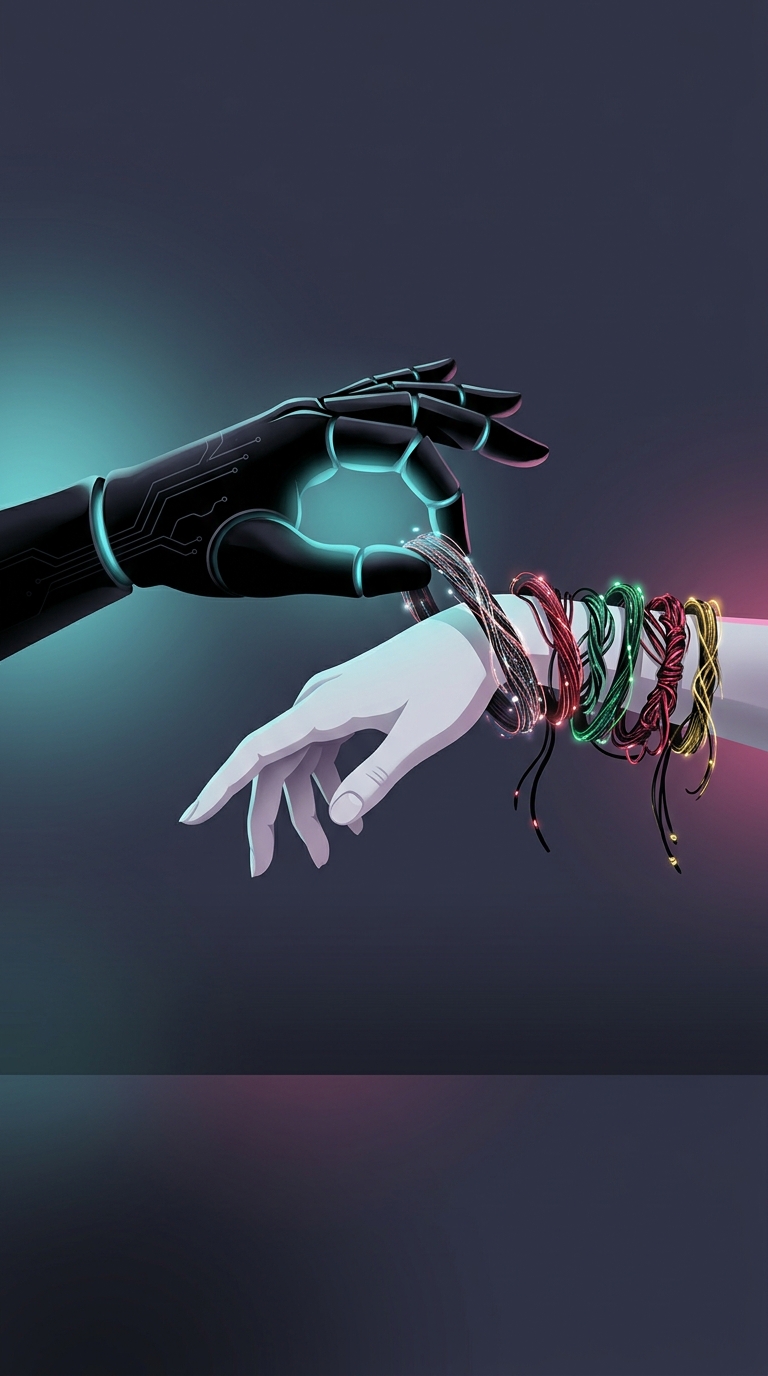
The trick works by making a sale feel like a fait accompli. A stranger may approach with a friendly greeting, offer a bracelet as a gift, then quickly tie or press it onto a passerby’s wrist. Once it is attached, the stranger asks for money—sometimes insisting that it was never free, or that the recipient now owes a set price.
The pressure comes from the sudden shift in the encounter. A traveler who was simply walking is now handling an awkward confrontation in public, with the bracelet serving as a prop for the demand. Some versions also rely on persistence or distraction, making it harder to end the exchange calmly.
Why Refusing Early Helps
The clearest boundary is before anything is placed on you: keep walking, say “No, thank you,” and avoid offering a hand. If a bracelet has already been put on your wrist, you do not have to treat that as agreement to buy it. Step away from the person and, if needed, ask nearby shop staff or security for help rather than arguing over the price.
The useful detail to remember is that accepting an object under pressure is not the same as choosing to make a purchase. Recognizing the move early can turn a confusing street encounter back into a simple refusal.