When a Game’s Money Supply Outruns Its World
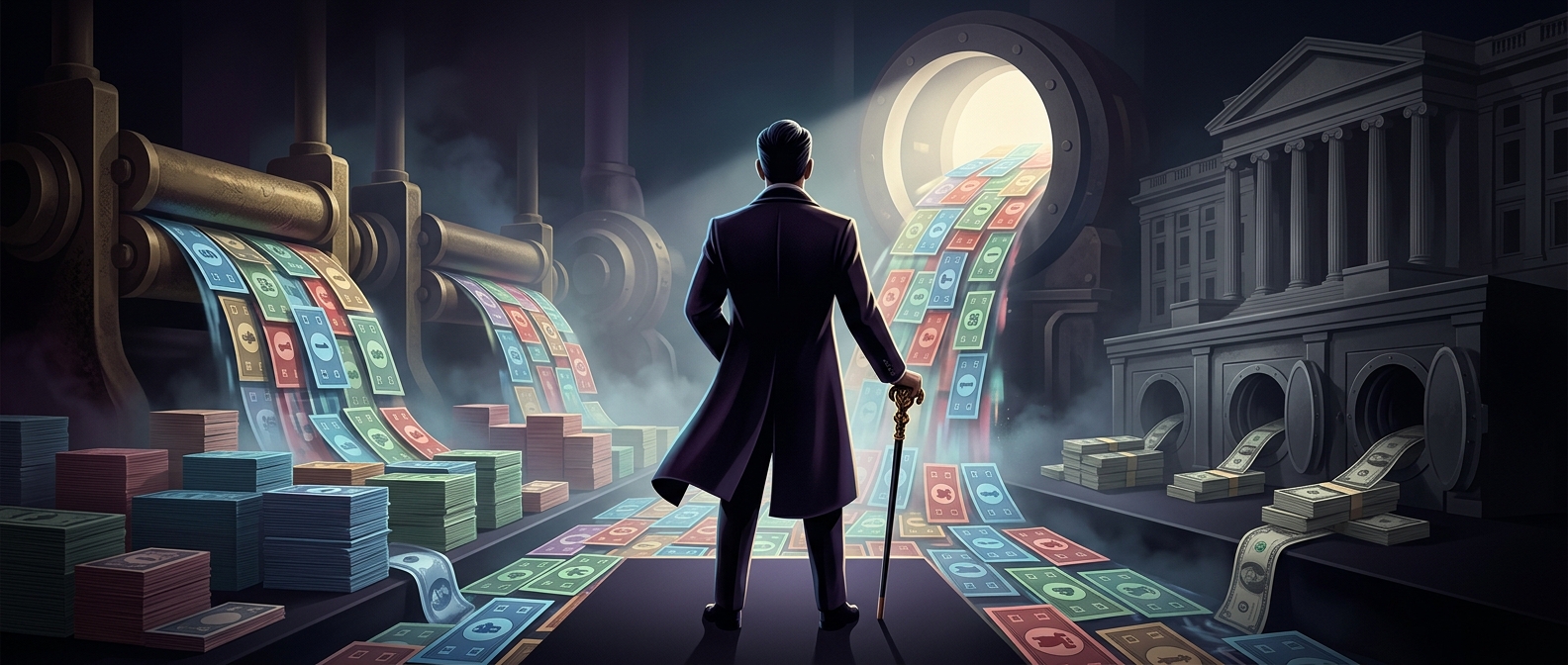
A game currency works only because players expect it to buy something useful. Repeated tasks can upset that balance: each completion adds money to players’ accounts, while the game world may not remove enough of it. Designers call money entering the economy a faucet and money being spent or destroyed a sink. If faucets keep running and sinks are weak, balances rise faster than the supply of goods.
Why Prices Rise—and Access Can Shrink
When players trade with one another, abundant currency can push prices upward. A sword that once cost a modest sum may sell for far more, not because it became stronger, but because buyers now carry larger balances. The important measure is purchasing power: how much a player can actually obtain with their money.
That shift can hurt newcomers most. Veteran players may have accumulated wealth before prices climbed, while a new player earns small amounts at today’s inflated prices. If useful items are limited, wealthy buyers can outbid others or buy up stock, leaving little available at affordable prices. The problem is then not simply that money feels worthless; access to essential gear or supplies can become the real bottleneck.
The Design Tradeoff
A developer can add sinks—such as repair fees, crafting costs, or cosmetic purchases—to remove currency, but those costs must feel worthwhile rather than punitive. Removing too much can make ordinary play feel stingy; removing too little lets old wealth keep compounding. A small repeatable reward can therefore reshape a whole virtual marketplace: the visible result may be a high price tag, but the deeper consequence is who can still afford to participate.