The long pause built into Nina Williams’s story
Nina Williams’s decades in cryosleep are a plot device that lets the Tekken series move its timeline forward without aging one of its central fighters. Rather than explain her continued youth through ordinary biology, the story treats suspended animation as a way to put her life on hold while the world around her changes.
A character preserved across eras
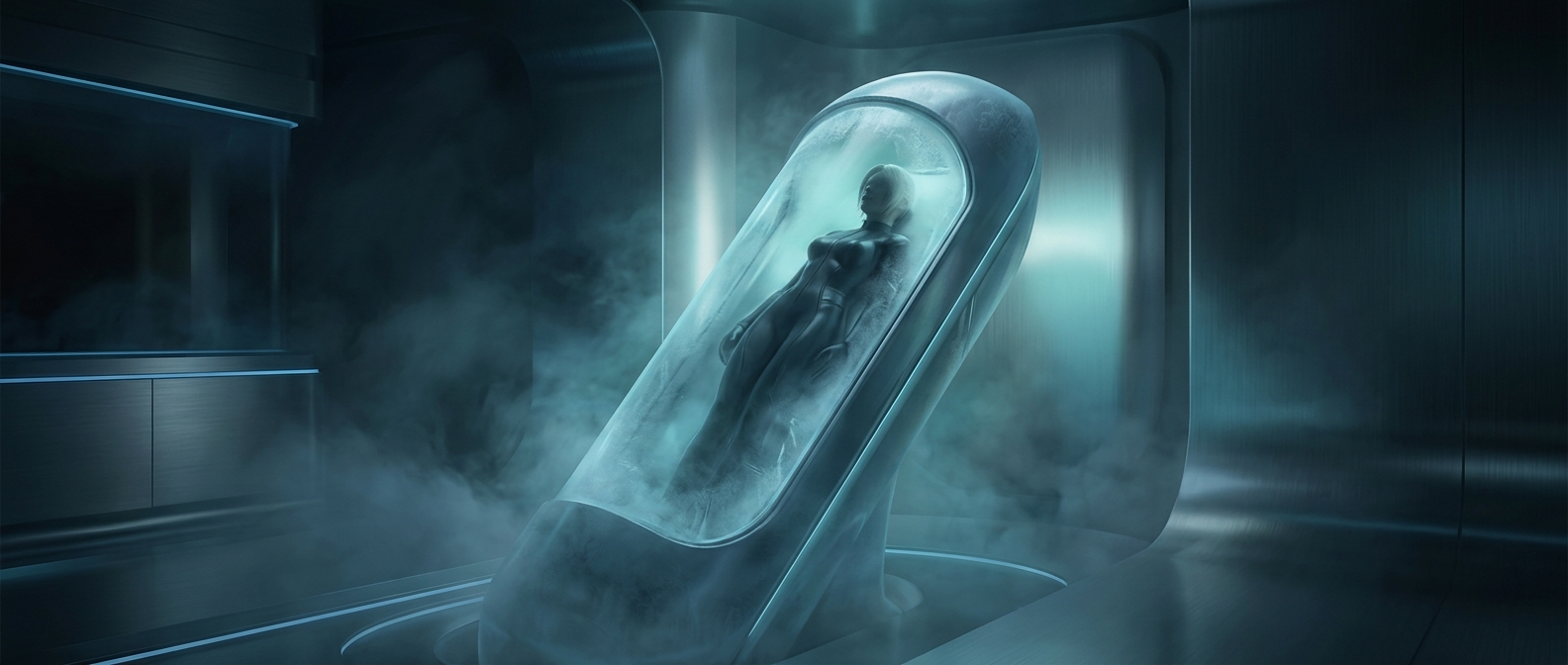
Nina was placed in cryosleep after the events of Tekken 2. She remained asleep for roughly 19 years and woke in the era of Tekken 3, still physically young. In the fiction, cryosleep means keeping a person in a dormant, life-sustaining state; the series does not dwell on the technology’s mechanics. Its narrative job is clearer: Nina can return as the same formidable assassin, while younger characters and new conflicts take center stage.
The cost of skipping time
That shortcut also separates Nina from the history she missed. The people, power struggles, and circumstances of the fighting world have moved on, but she resumes work with little of the passage written onto her body. Cryosleep preserves her fighting presence, not her place in the world. It gives the series a way to keep a familiar character active across generations—and makes her return feel like waking into someone else’s era.