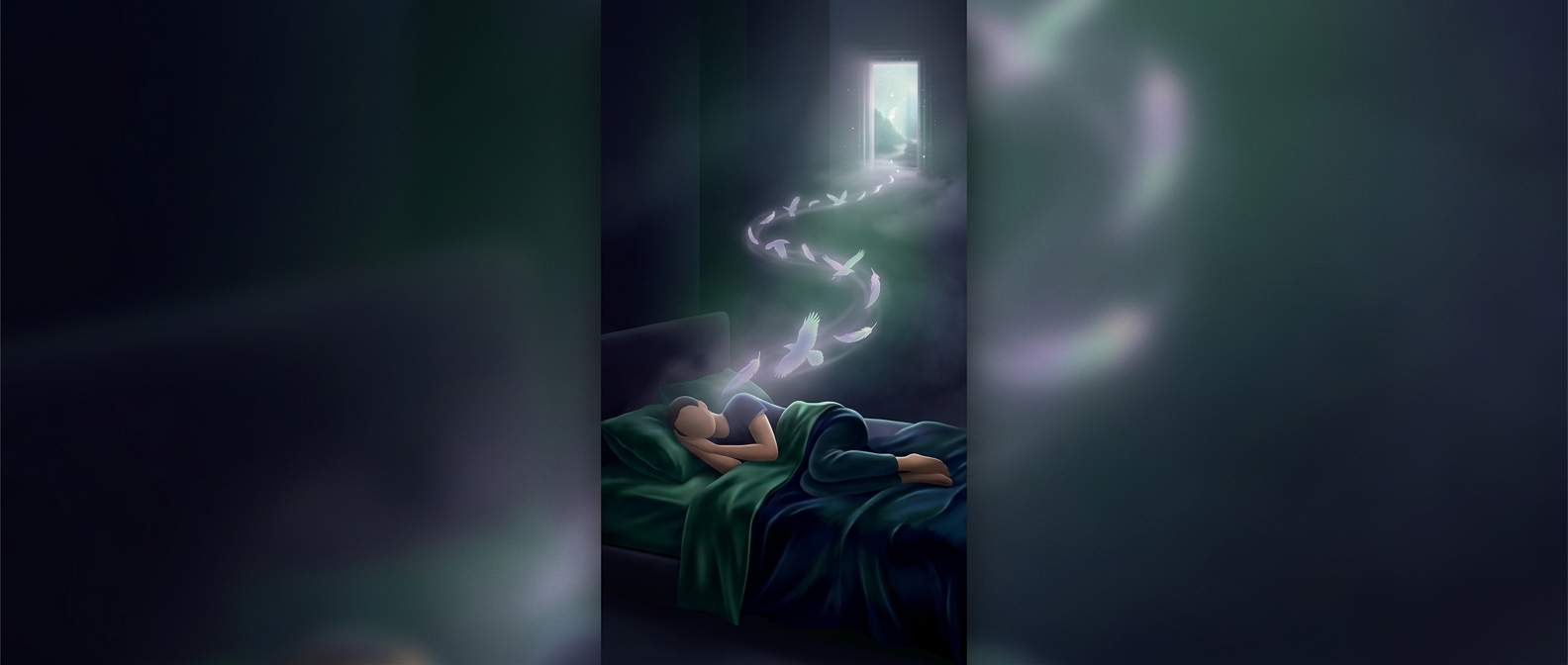
Why a Visualization Ritual Can Feel Like a Journey
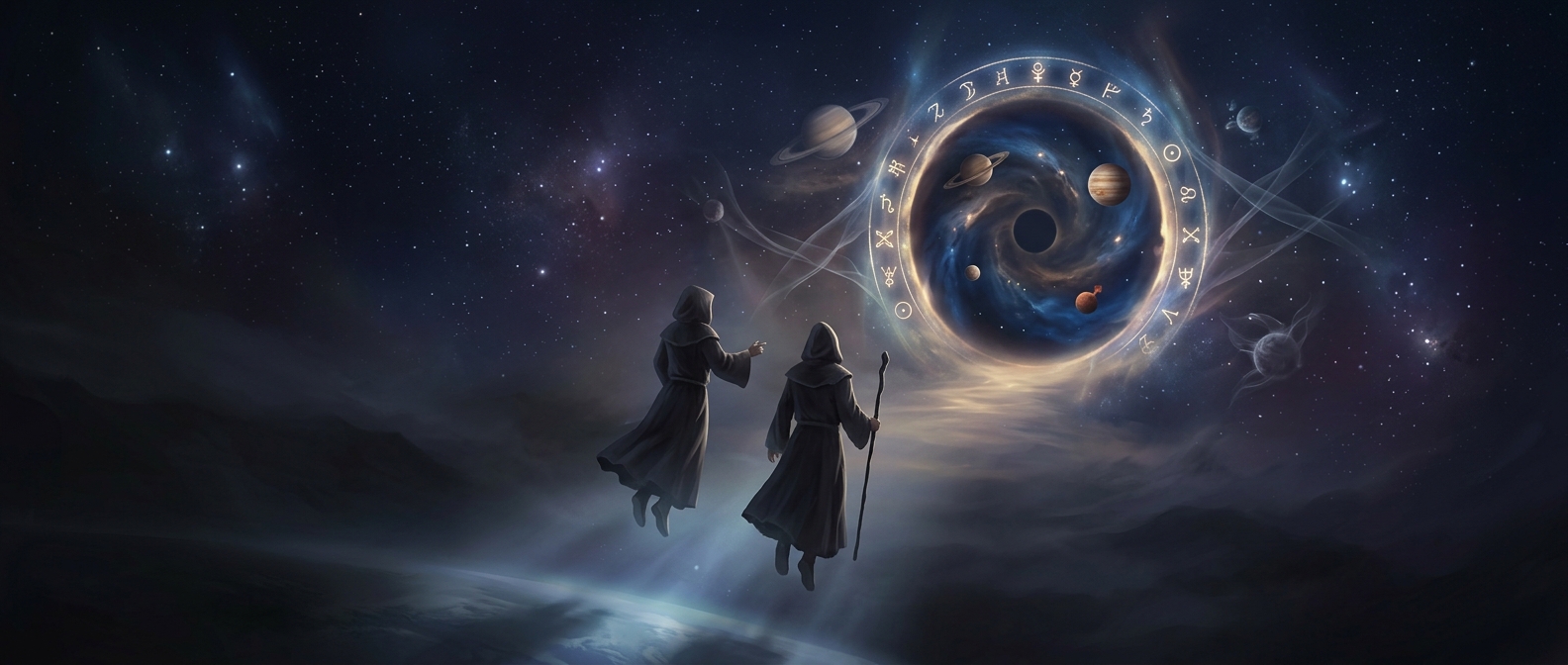
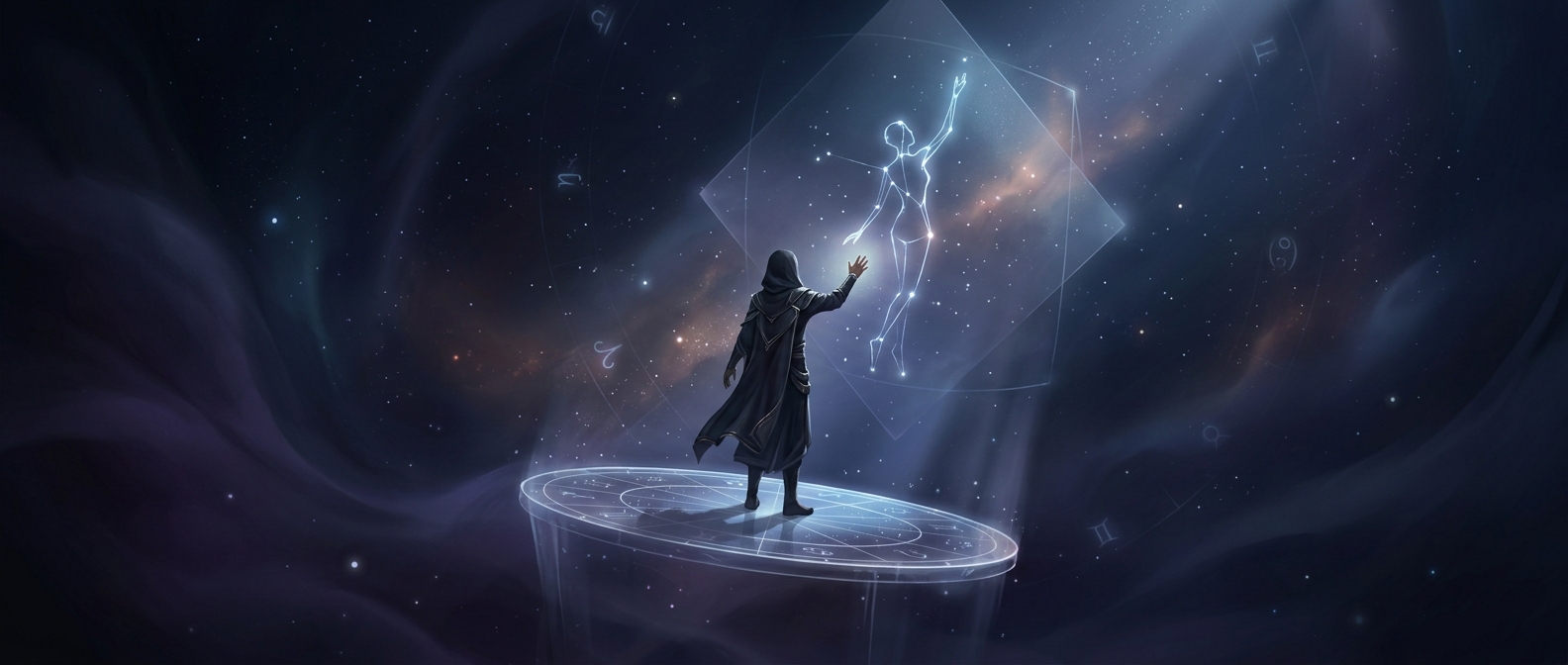
Reality shifting is an online practice in which people use focused imagination to experience a desired setting—often a fictional world—as if they were present there. Practitioners may treat that experience as more than daydreaming, but the ritual itself works through attention, mental imagery, and expectations; it does not establish that someone has physically entered another world.
The Mind Fills In the Scene
A staircase gives the imagination a simple sequence to follow: picture one step, then the next, and arrive somewhere specific. Repeating a count can occupy the part of attention that might otherwise wander, while lying still reduces distractions. Together, these cues make it easier to build and sustain a detailed inner scene.
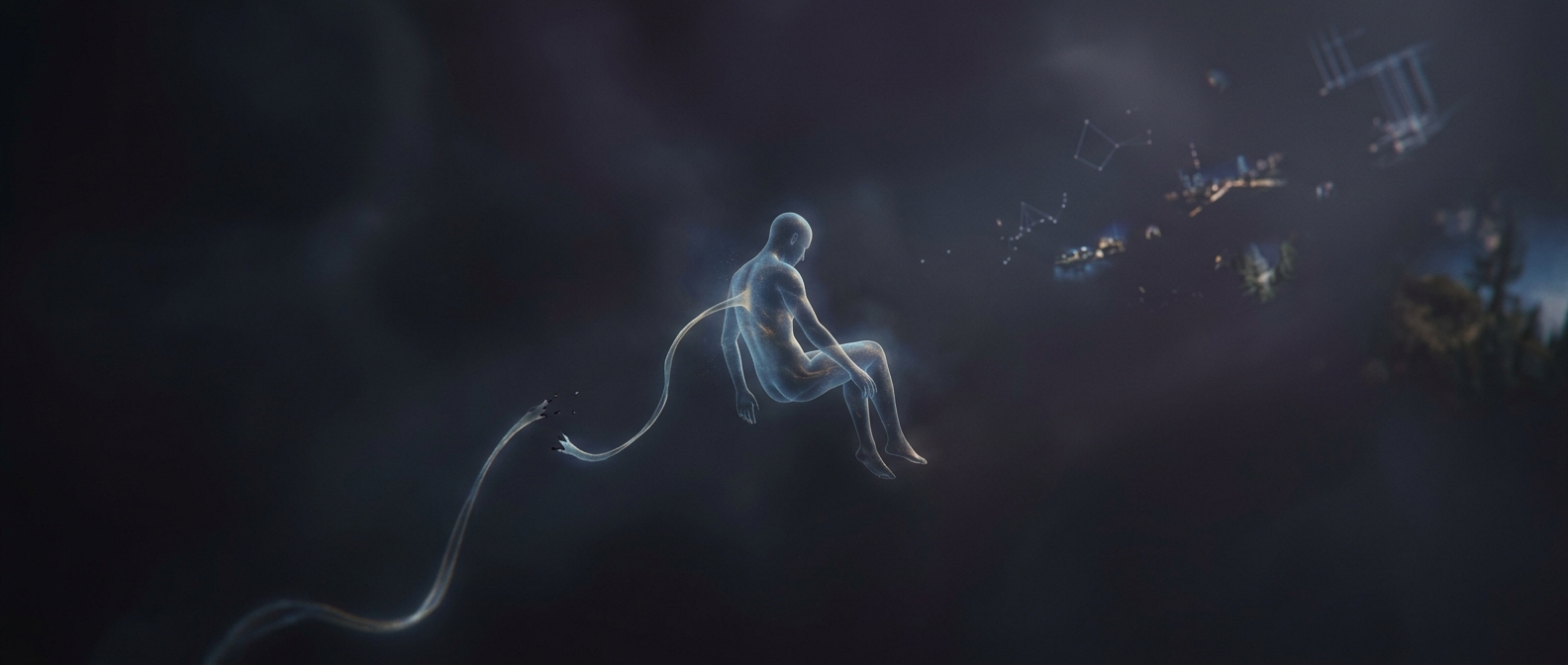
If someone becomes drowsy, imagery around the transition to sleep can grow unusually vivid or seem to unfold on its own. This transition is sometimes called the hypnagogic state. It can blur the felt boundary between imagining a scene and perceiving it, without requiring the scene to exist outside the mind.
Why the Method Is Structured
The ritual’s rules offer a script and a sense of progress: there is a posture, a repeated task, and a destination to picture. That structure can make an open-ended fantasy feel more focused and immersive. For many practitioners, the result is best understood as a personally meaningful imaginative experience—one whose vividness depends partly on how absorbed and relaxed they become.