Why a familiar ecosystem is hard to leave
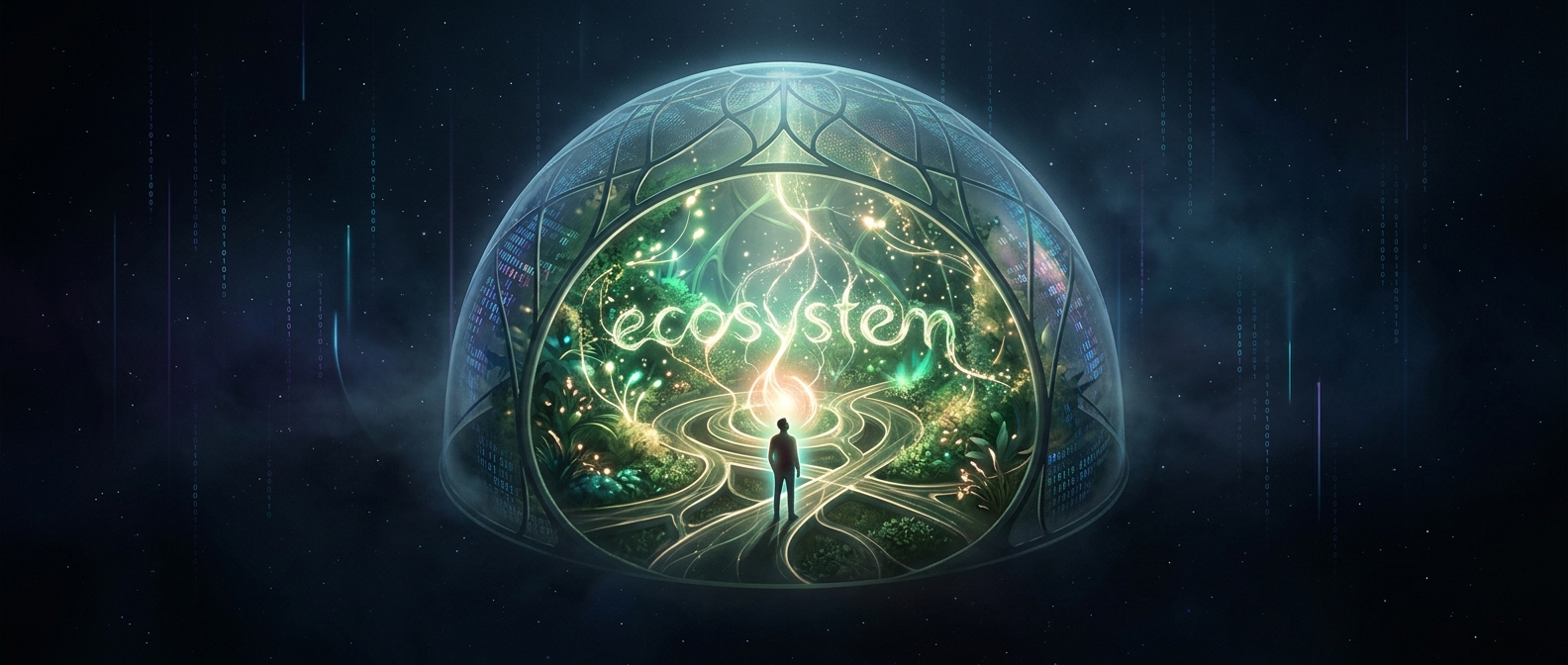
A “walled garden” is a set of products and services designed to work especially well together, while offering fewer easy connections to competing products. The wall is rarely one dramatic barrier. It is more often a collection of small dependencies: an account that stores purchases, files kept in a particular cloud service, accessories tuned for one device, or features that work only when everyone involved uses the same platform.
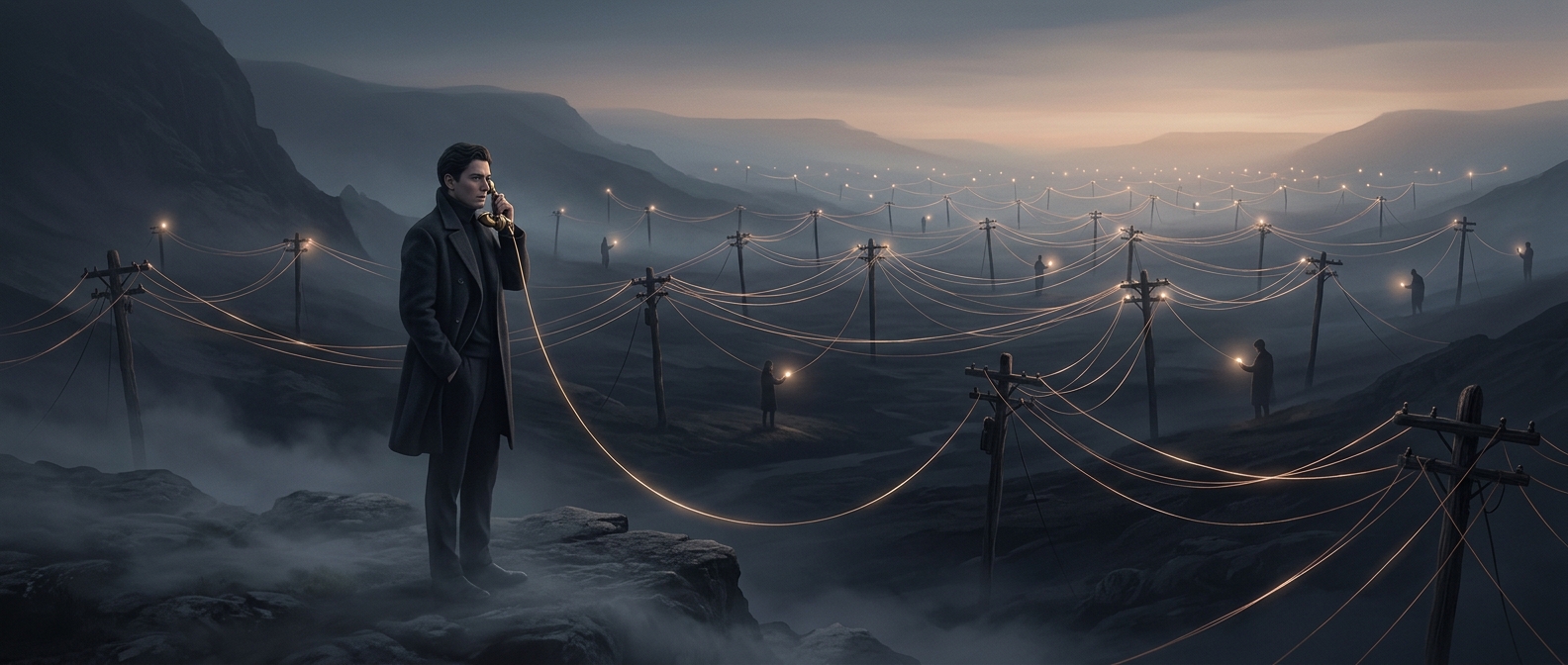
Each dependency makes leaving a little less convenient. A person changing devices may need to move data, replace accessories, find substitutes for familiar apps, or persuade family and coworkers to use different tools. Those efforts are switching costs: the time, money, and disruption involved in changing providers, beyond the price of the new product itself.
The business value of keeping users connected
For a company, a tightly integrated system can make products easier to use together and give customers a reason to return for more services. But the same integration can also make the next purchase feel like the default choice. Once a user has built routines around one ecosystem, a rival has to offer enough extra value to outweigh the hassle of rebuilding those routines.
That changes competition. A rival device may be attractive on its own, yet struggle to compete against the whole package of services and habits already in place. The incumbent can benefit from greater customer retention; the user may benefit from smooth coordination, but have fewer practical choices when one part of the system disappoints.
The clearest sign of lock-in is not simply that products work well together. It is that leaving one product makes several unrelated parts of daily life harder at once.