Why a bird’s nest can command a luxury price
The value lies less in a strong flavor than in the nest’s texture and scarcity. When soaked and cooked, its hardened saliva softens into delicate, gelatinous strands. In Chinese cuisine, that distinctive texture has helped make bird’s nest soup a prestige dish, so buyers may pay for the ingredient as a luxury rather than as an everyday source of nourishment.
The cost is built into the harvest
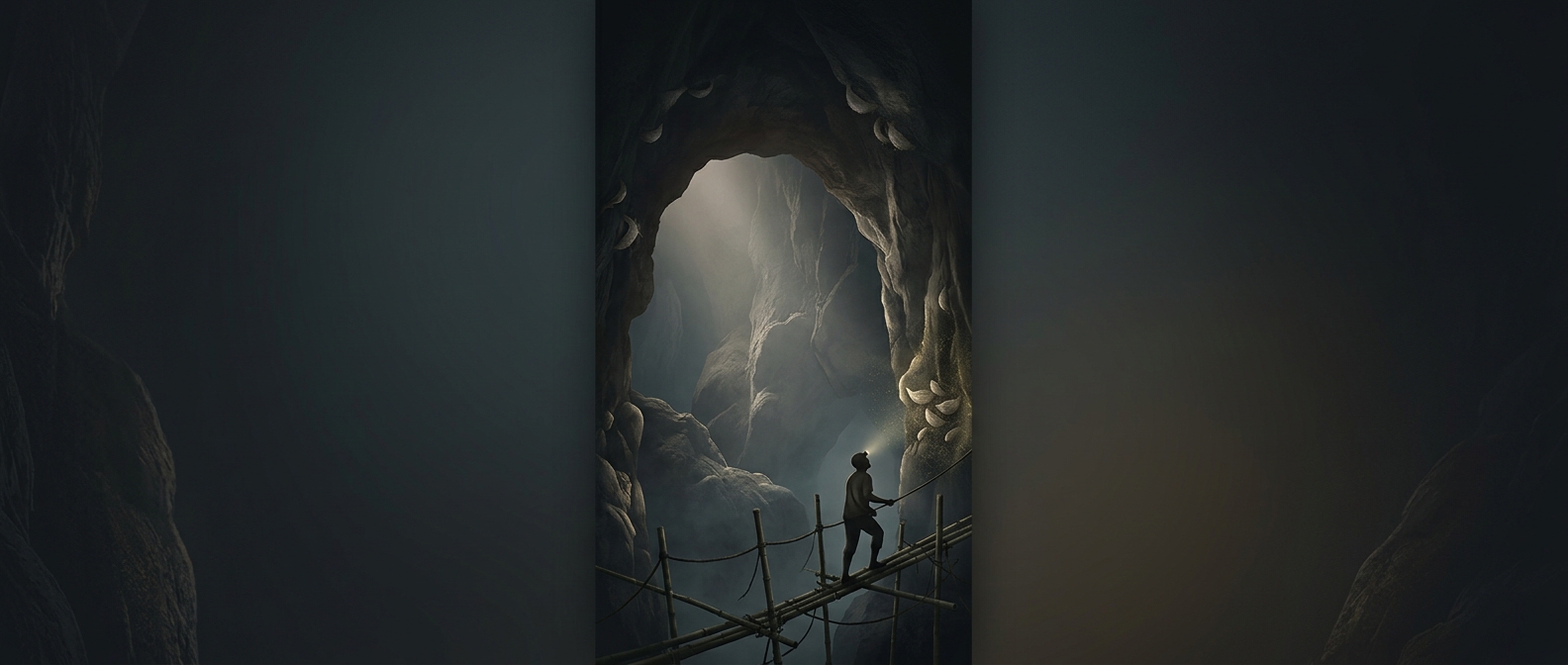
Swiftlets attach their nests high on cave walls, where reaching them can require climbing and assembling scaffolding. That makes collection slow and hazardous, and the small, fragile clumps must then be cleaned of feathers and other debris before they are ready for cooking. A costly ingredient emerges from both limited supply and labor-intensive handling.
That combination shapes the trade: harvesters and sellers can earn more from a nest that meets buyers’ expectations for appearance and cleanliness, while workers bear the physical risk of reaching it. The price is not simply a measure of how much soup the nest makes; it also reflects the difficult work of retrieving and preparing the raw material.
A small amount changes the dish
The nests are typically soaked and simmered, turning their strands soft and translucent. Because their appeal is chiefly the unusual texture and their status as a prized ingredient, they can lend a bowl its luxury character without needing to dominate it with a powerful taste. The striking economics begin with a bird’s construction material—and continue through every careful step needed to turn it into food.