Why a venue may call last call early
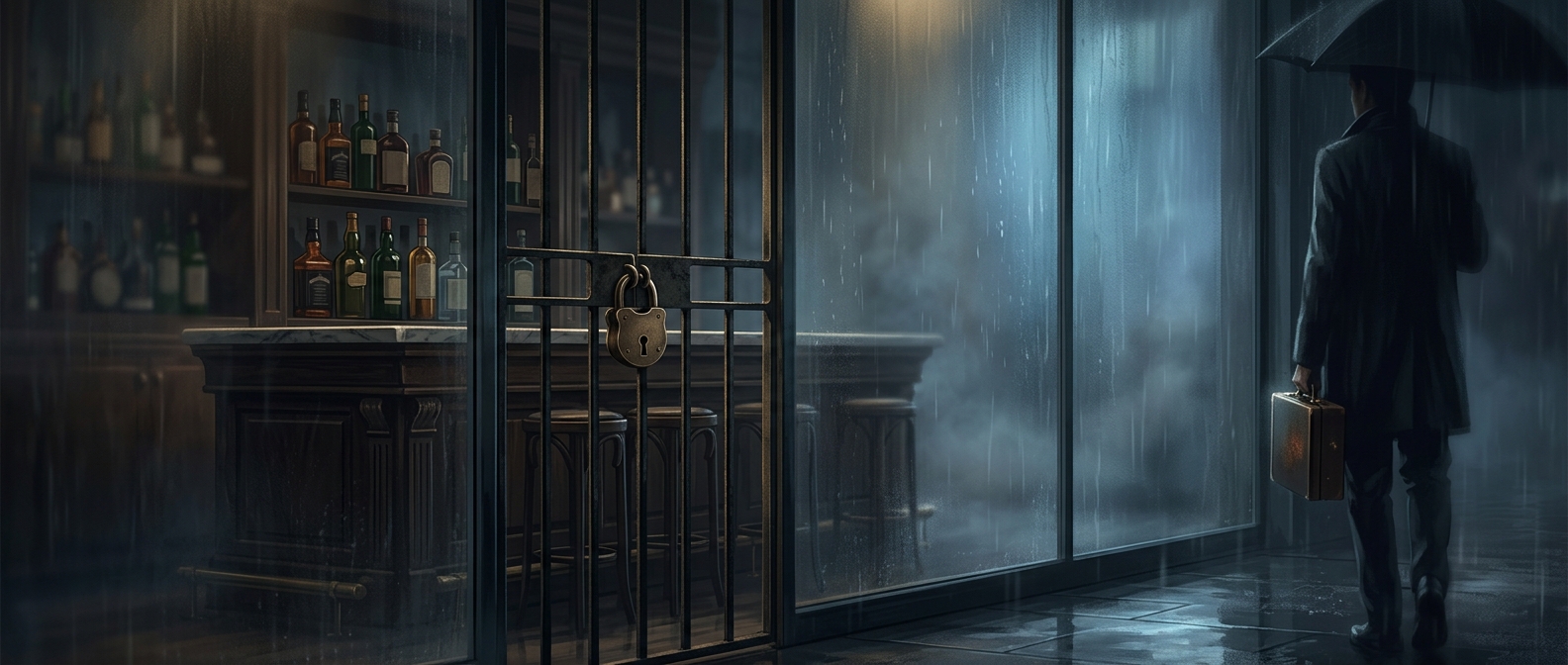
A late-night crowd can make responsible service harder to manage. As a room fills, staff must track orders, notice changes in a guest’s behavior, and communicate across a busy bar. Ending alcohol service before closing gives employees time to stop new orders, check on guests, and coordinate rides or other safe ways home while the venue is still operating.
The liability follows the service
“Dram shop” laws are state laws that can, in some circumstances, make a bar, restaurant, or other alcohol seller legally responsible for harm connected to serving an intoxicated customer. A lawsuit may examine what the staff served and when, whether the person appeared impaired, and what happened afterward. The exact rules differ by state, and an early cutoff does not automatically shield a venue from a claim.
That is why an earlier last call is only one part of a broader risk-control effort. Staff may also be trained to refuse service, keep track of rounds, and document incidents. A cutoff can reduce the number of decisions employees have to make during the final, most hectic stretch of a shift—but it cannot undo earlier service or guarantee what a guest will do after leaving.
For patrons, the practical consequence is simple: the final drink may arrive well before the lights come on. The venue is trying to leave a window for closing out service and getting people out safely, not merely ending the night ahead of schedule.