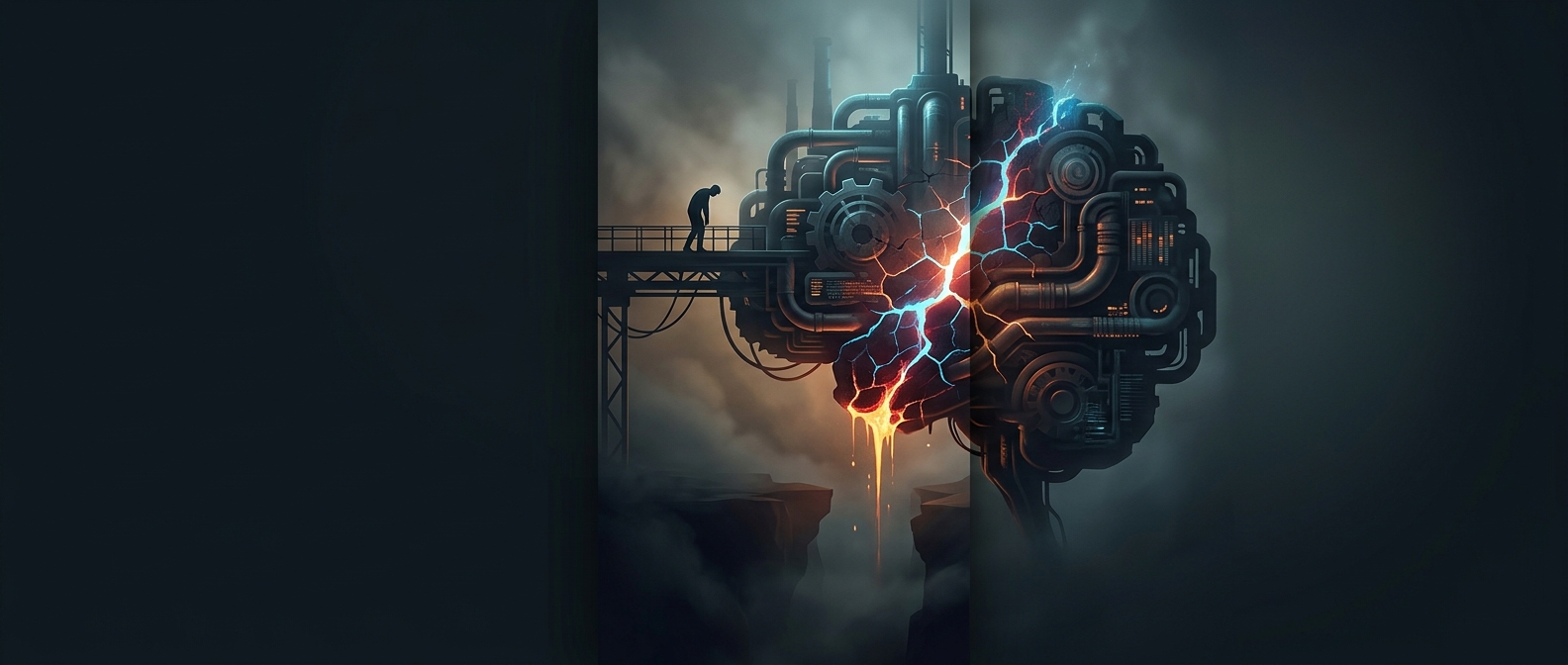
The hidden cost of pushing through mental fatigue
A tired worker may still be at the desk, answering messages or moving tasks along. But many jobs depend on more than time spent: they require holding details in mind, noticing exceptions, and checking whether a decision makes sense. As mental effort accumulates, those steps can become harder to sustain. A person may reread instructions, lose track during a handoff, or accept the first plausible answer instead of comparing options.
Why the damage can spread
The first slowdown is not always the biggest cost. A missed detail can create rework for the same employee or pass a problem to a colleague, customer, or later stage of production. In decision-heavy work, a rushed judgment can also commit a team to the wrong next step. The original task may look finished while the time and effort required to correct it remain hidden elsewhere.
That makes fatigue easy to misread in workplaces that measure activity—hours logged, messages sent, or tasks marked complete—more readily than accuracy and follow-up. Continuing to work can appear efficient even when each task takes longer or carries a greater chance of needing repair.
The practical tradeoff
Pauses, manageable workloads, and time for checking are not simply comforts added after “real” work. They can protect the attention that careful work requires. The useful question is not only how much work gets started, but how much reaches others without creating avoidable correction work.