How a half-remembered nightmare can become a song
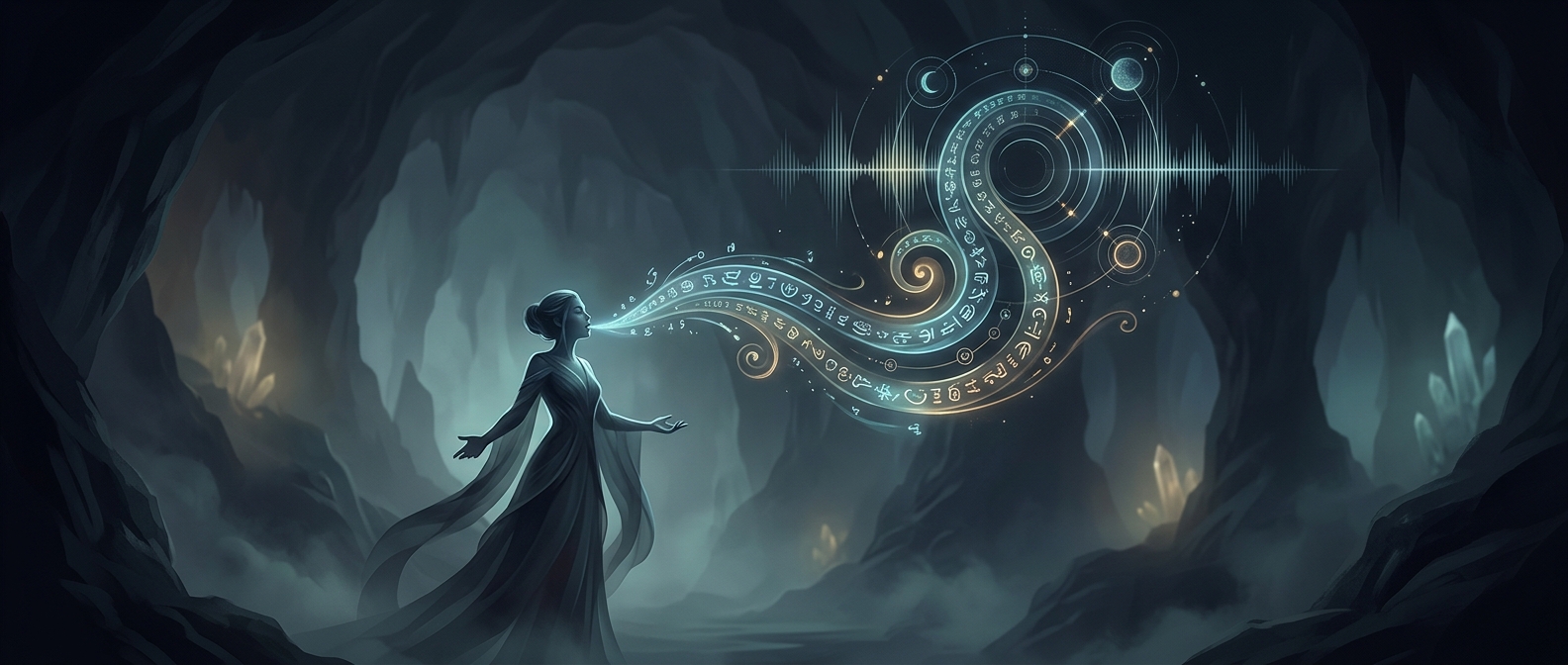
A dream rarely arrives as a finished story. It may leave behind a vivid image, a sudden emotion, or a scene whose logic falls apart as soon as the dreamer wakes. For a songwriter, that fragment can be more useful than a neatly explained plot: it offers raw material without dictating what the song must mean.
Welch keeps a notebook by her bed because the details of a dream can fade quickly after waking. A note made at that moment can preserve an image or feeling before ordinary thoughts replace it. The notebook is not a transcript of a complete dream so much as a way to save pieces that might later spark lyrics or a song’s atmosphere.
From private fear to shared feeling
Songwriting can change the scale of a nightmare. A disturbing scene that began as a personal experience can be reshaped through music, language, and repetition, allowing listeners to respond to its mood even without knowing its origin. The song need not explain the dream; it can carry its unease or intensity in a form other people recognize.
That leaves room for transformation rather than literal retelling. The notebook catches what might otherwise disappear, while the songwriting process gives those fragments a new structure. A fleeting image from the night can thus outlast the dream itself—not as a record of exactly what happened, but as the beginning of something that can be heard and interpreted by others.