The margin is in the gap between cost and price
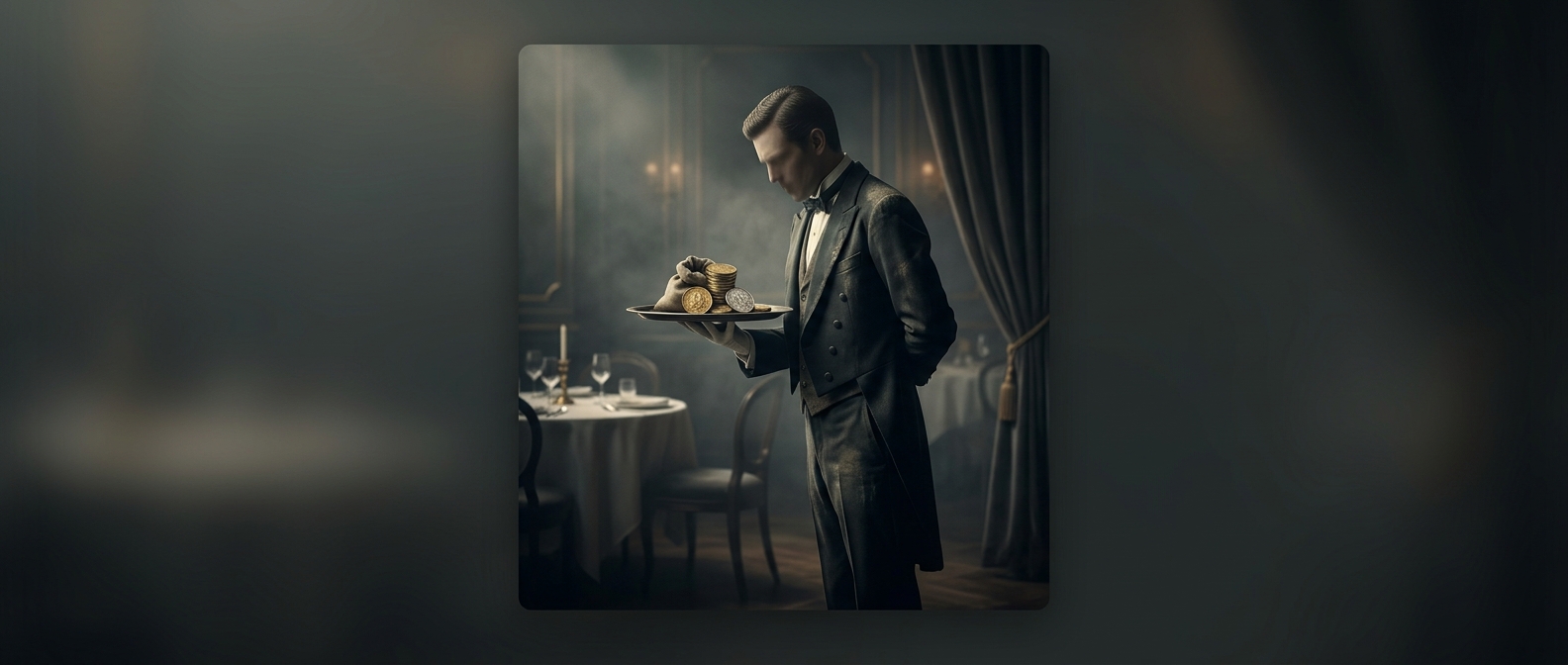
A restaurant does not need a children’s meal to be expensive to make it worthwhile. What matters is the difference between what the meal brings in and the costs tied to serving it. Gross margin is the money left after direct food costs; rent, wages, and other operating expenses still have to be paid from that remainder.
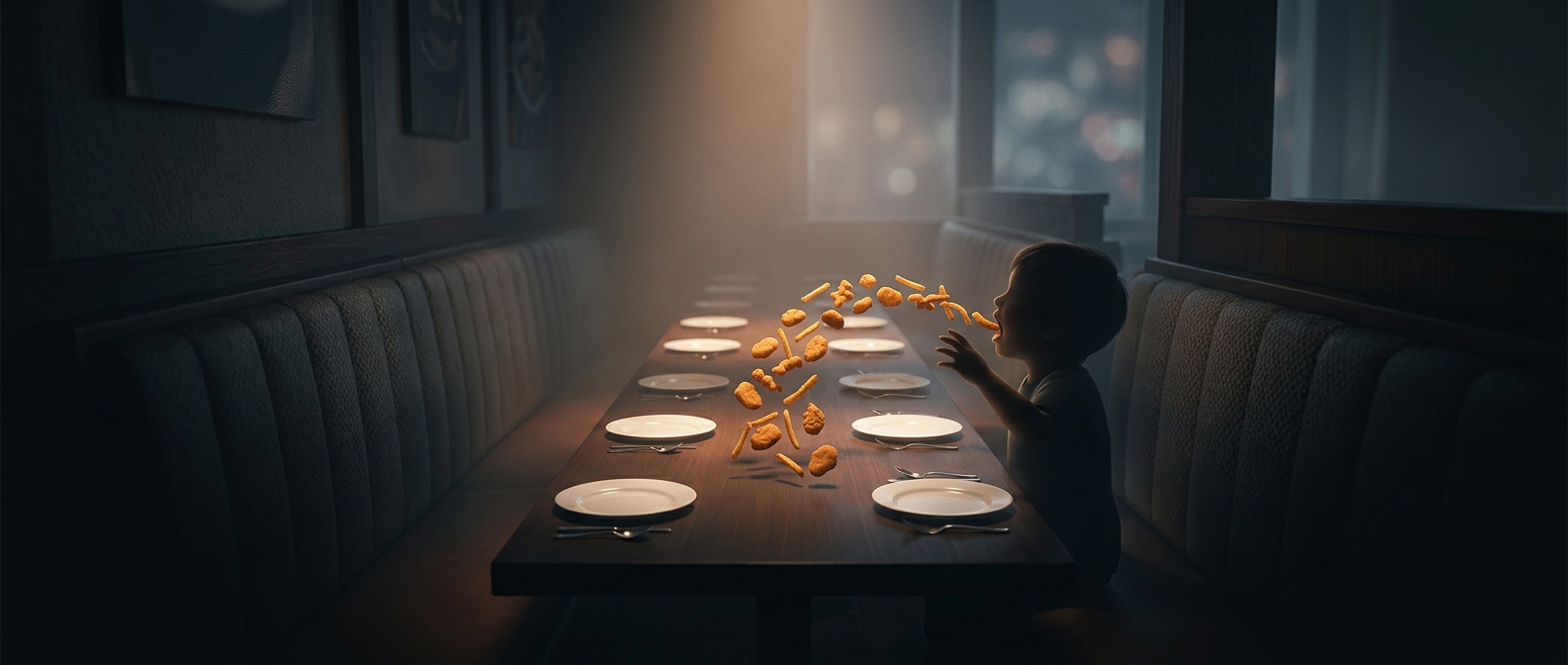
Familiar items such as nuggets and fries can help keep food costs predictable. They are easy to portion, and restaurants may already buy and prepare them for other menu items. Using ingredients and kitchen routines across several dishes can reduce waste and avoid adding a complicated, one-off preparation step for a children’s order.
Familiar food lowers the risk of ordering
The menu also solves a practical problem for adults: a child is more likely to accept a meal they recognize. That can make a family outing easier to plan and reduce the chance that an unfamiliar dish goes uneaten. A restaurant benefits when its menu makes the decision feel simple, especially for a group choosing food together.
Repeated exposure can shape what children come to expect from a meal out. If the predictable choice is a salty, crispy combination, it may become the treat they ask for again—not because the menu has proved it is the only appealing option, but because familiarity makes it an easy one to choose. The business advantage is therefore twofold: controlled, repeatable food costs today and a reliable customer preference that may carry into the next visit.