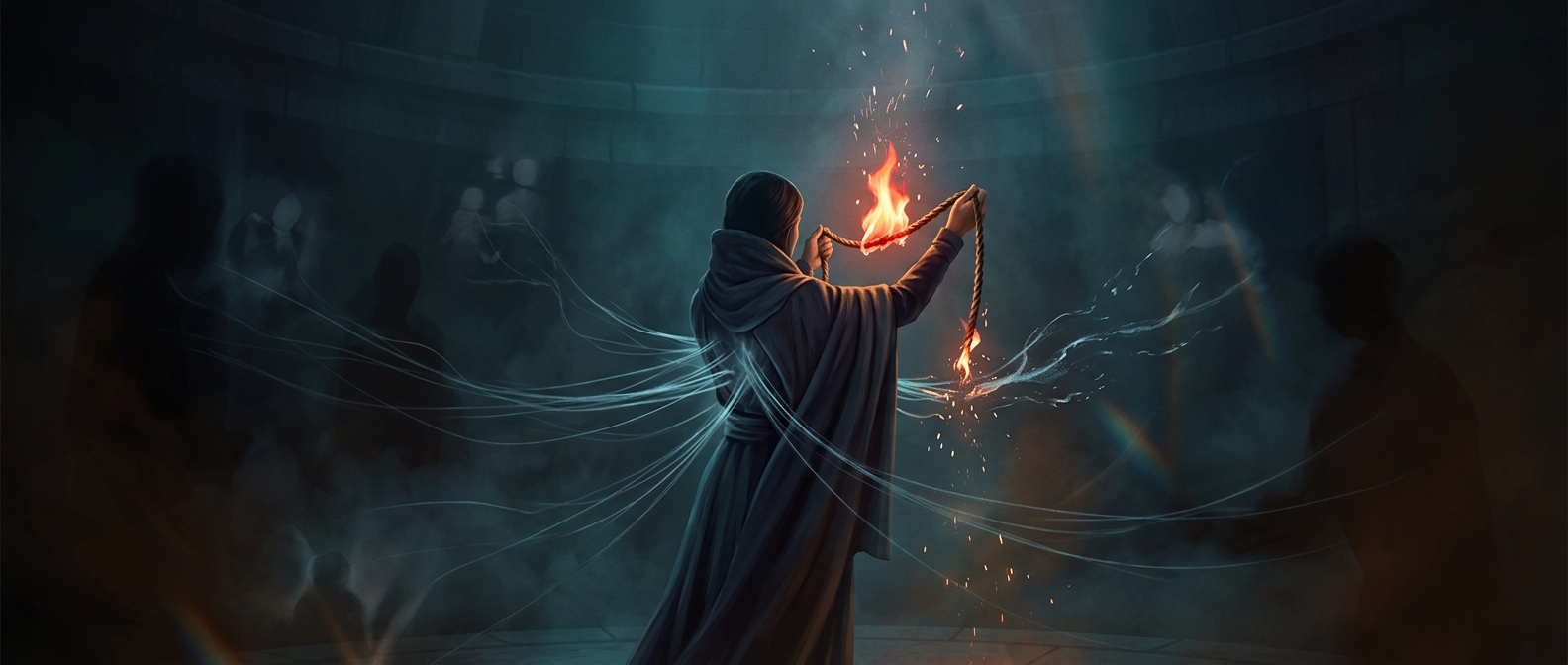
When imagination borrows the senses
A mental image is not a picture displayed inside the head. It is a reconstruction: memory and expectation activate some of the systems the brain uses to process seeing, hearing, or other sensations, without input from the outside world. People differ in how vivid these reconstructions feel. Hyperphantasia describes imagery at the vivid end of that range; it is a description of experience, not a claim that someone literally sees a memory in front of them.
That vividness can make imagining useful and absorbing. It can also give a recollection more sensory force. A person revisiting an awkward moment might picture a face, place, or gesture in unusually sharp detail, making the memory feel immediate even while they know it is in the past.
Why vividness can become tiring
Remembering is not simply replaying a fixed recording. The mind rebuilds an event from fragments, and attention can keep returning to details that feel emotionally important. When imagery is vivid, those details may be easier to picture—and harder to set aside. Rehearsing the scene can renew embarrassment or worry, much as repeatedly dwelling on a thought can prolong its emotional effect.
The same capacity does not affect everyone in the same way. A vivid image may be welcome when someone is daydreaming or planning, and unpleasant when it arrives during rumination. Hyperphantasia alone does not mean that a person has a mental-health condition; the strain depends partly on what they are imagining and whether they can shift their attention away.
Vivid is not the same as involuntary
A key distinction is whether imagery is chosen. Deliberately picturing a scene is different from an unwanted image that intrudes and keeps returning. Vividness concerns how strongly an image is experienced; control concerns whether a person can start, change, or stop it. Keeping those dimensions separate helps explain why a powerful imagination can be a creative resource in one moment and exhausting in another.