The Escort Mission Turns Protection Into a Design Problem
An escort character has to seem like a person, but also has to arrive at a particular place on schedule. Those goals can clash. If the character follows perfectly and never faces danger, the mission may feel like walking beside a moving marker. If they make independent choices, they can appear believable—but those choices may put them in trouble the player has to solve.
That tension is especially noticeable when the game gives the companion simple behavior rules: follow a route, stay near the player, or move toward the next objective. These rules can produce awkward moments around enemies, obstacles, or changing combat. The character may not read the situation as a human player would, while the player can see the danger coming.
Why Frustration Can Become Motivation
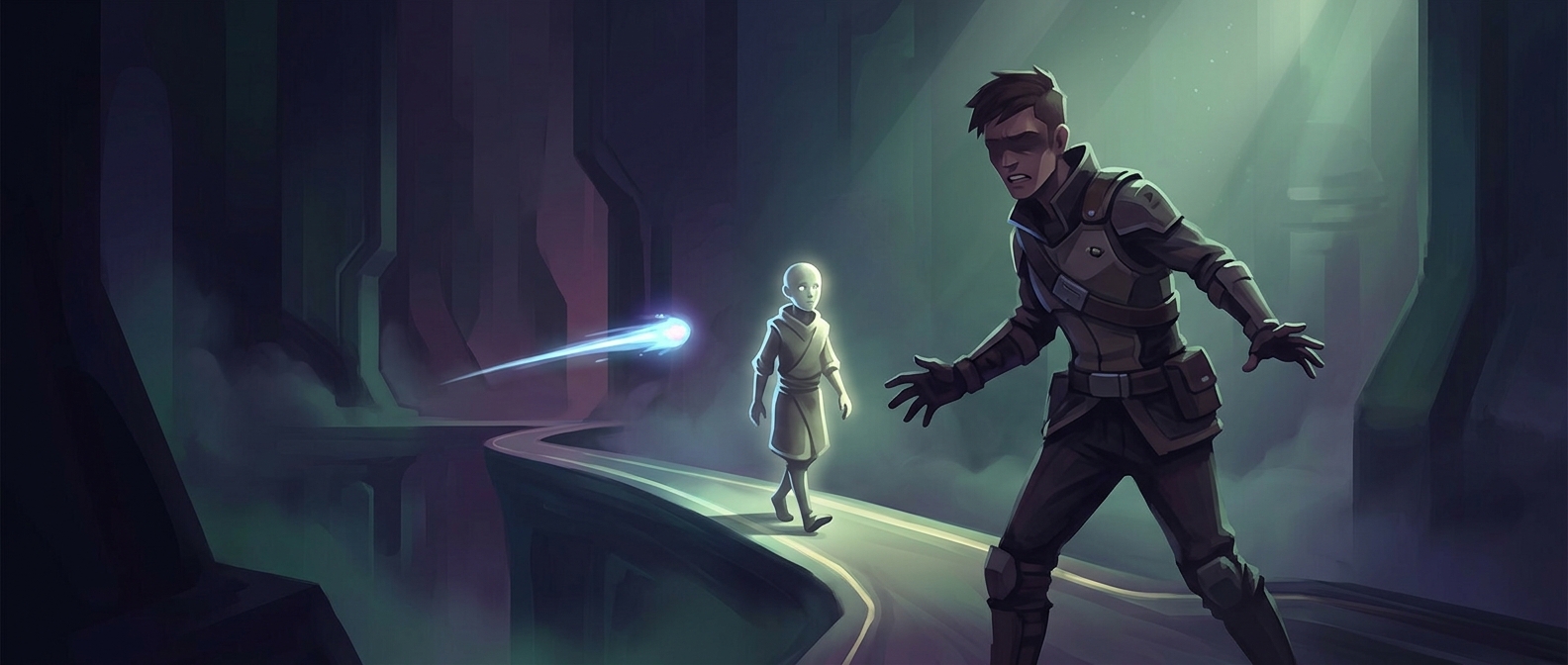
The mission makes the player responsible for someone whose behavior they do not fully control. That imbalance changes the usual power fantasy: instead of choosing every move, the player has to watch, anticipate, and intervene. A companion’s vulnerability can make danger feel more immediate, because failure now means losing progress or seeing a character the game has made you care about get hurt.
Designers can soften the irritation by letting the companion defend themselves, keeping them close, or making their route predictable. But too much protection removes the player’s role. The most memorable escort missions sit on that narrow line: the character must be capable enough to feel present, yet vulnerable enough that the player’s attention matters.
So the babysitting feeling is not just a side effect of a fragile character. It comes from the mission’s central bargain: the game gives the player responsibility without giving them complete control.