How an Ordinary Feather Becomes a Promise
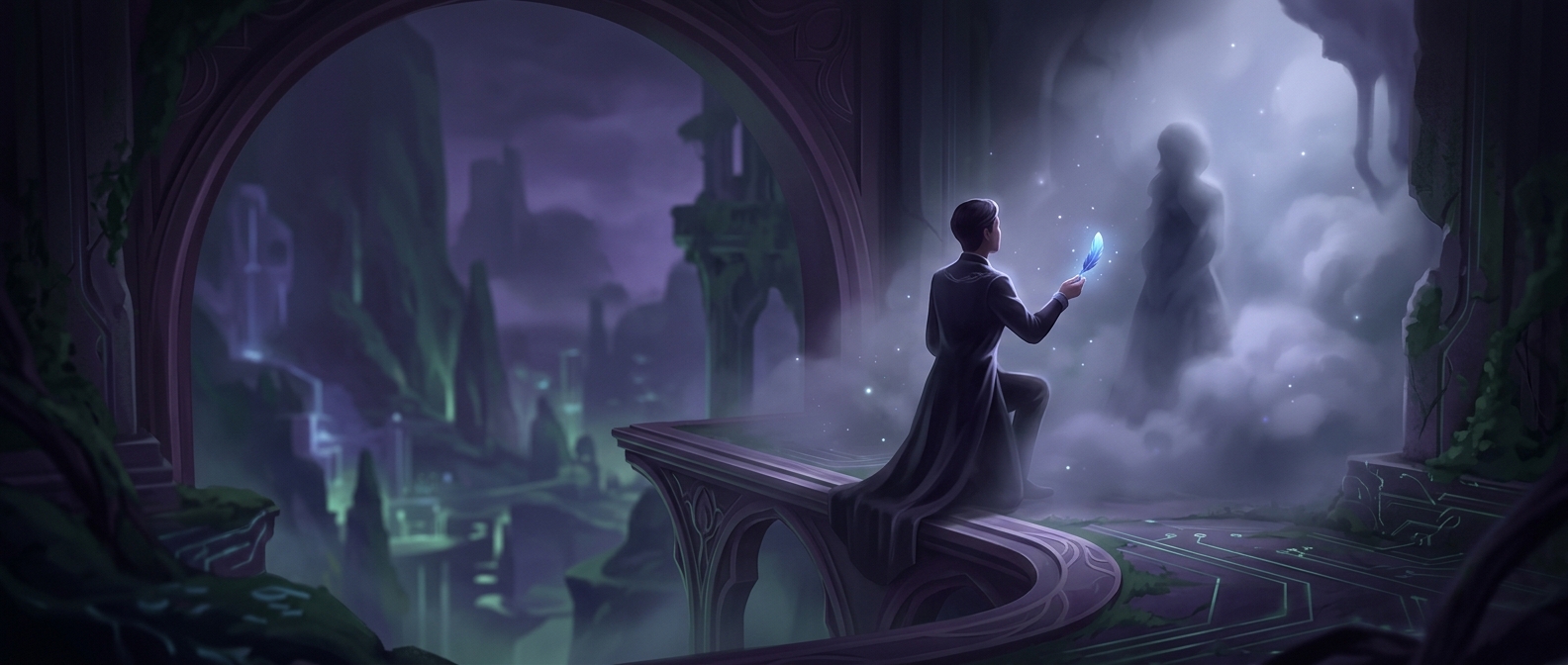
A blue feather from a supermarket has no obvious claim to symbolize eternal love. Its meaning comes from the town around it: people treat it as a sign of lasting commitment, and the idea is reinforced whenever they repeat the same three sentences. The contrast is the point. The object is ordinary; the shared interpretation makes it feel precious.
Repetition Turns Meaning Into a Rule
In a game, repeated dialogue can work like a small piece of world-building. Each return to the same lines reminds the player that the town runs on familiar rituals—and that the feather belongs to one of them. Rather than explaining the symbol through a long history, the game lets the mismatch between supermarket purchase and grand promise do the work.
That repetition can make the custom feel both tender and strange. The feather stands for love not because it is rare, but because the town keeps assigning it that meaning. Its most memorable detail is its humble origin: a token of forever that anyone can pick up on an ordinary shopping trip.