How a studio idea becomes a songwriting credit
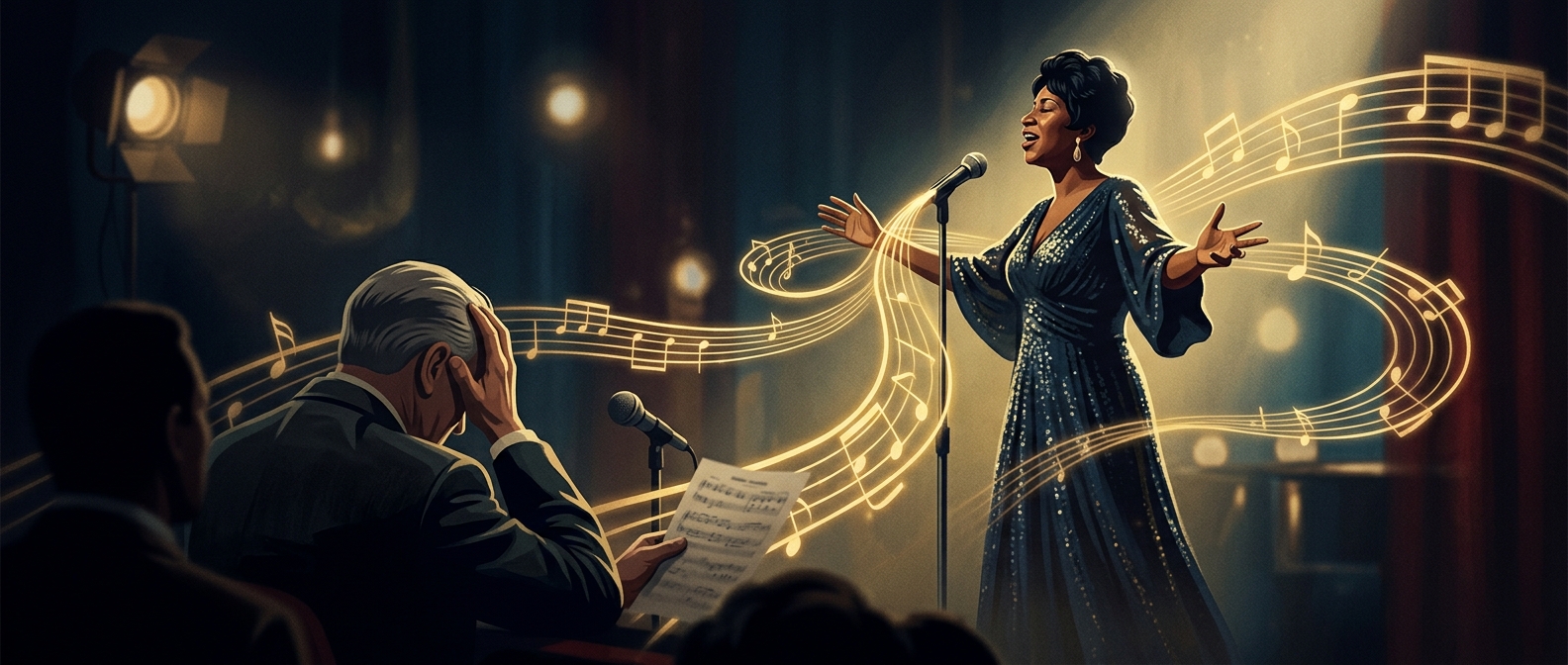
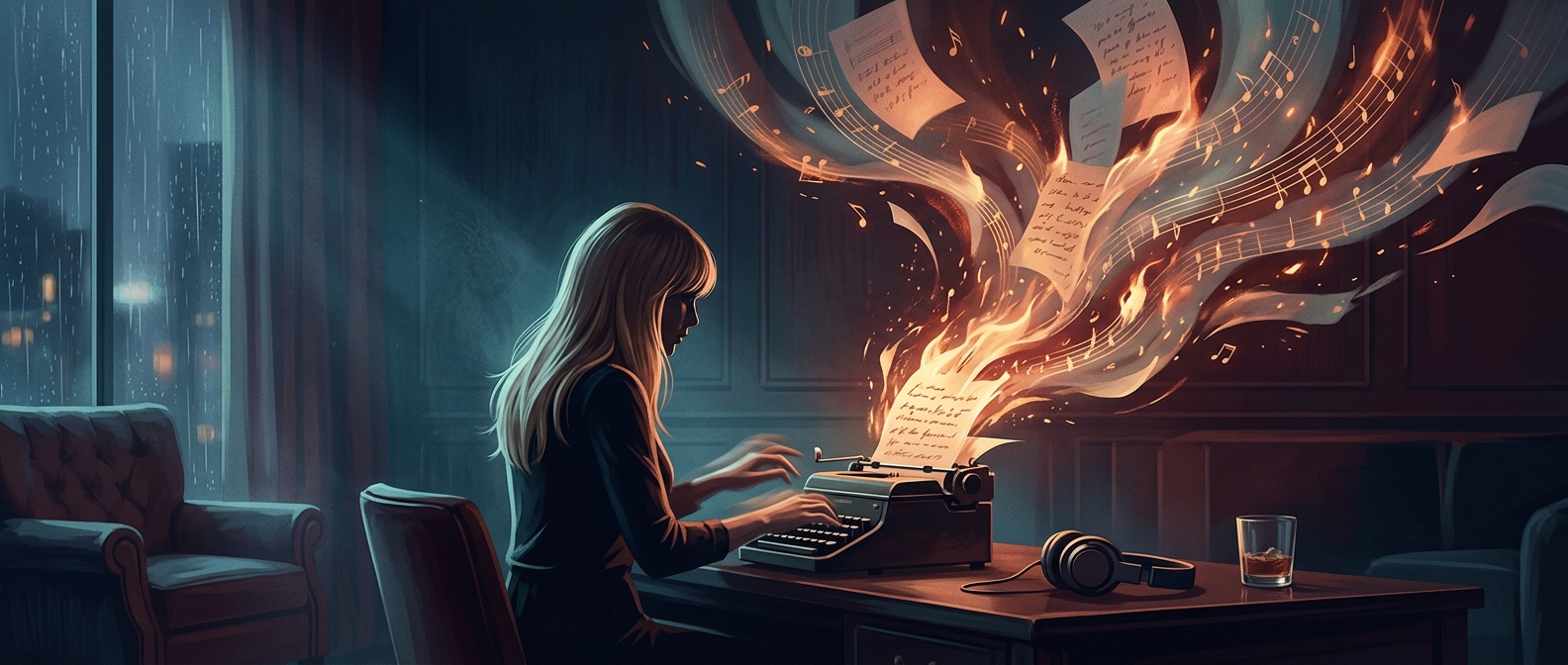
A song can take shape in pieces. A producer might build a drum pattern and bass line; a topliner—someone who creates the melody and words over an existing track—may then write the chorus. Another collaborator might refine a lyric, suggest a melodic turn, or contribute a vocal phrase that becomes part of the recording’s identity.
That division of labor reflects how many songs are made: collaborators work in the same room or pass drafts between them, changing the track as they go. A quick vocal shout can be more than decoration if it supplies a memorable refrain or rhythmic idea. Whether a contribution earns a songwriting credit depends on what it adds and on the collaborators’ agreements; not every performer or studio helper automatically becomes a songwriter.
Credits record ownership, not just the recording process
Songwriting credits matter because they identify people with a claim to the composition—the underlying music and lyrics, distinct from a particular recorded performance. Those rights can bring a share of publishing income when a song is used or played. The recording itself has separate rights, so the people who made the beat, wrote the melody, performed the vocals, and released the track may have different kinds of credit and ownership.
When several people contribute, they need to settle how the composition is divided. A credit can reflect a direct musical contribution, but it also records an agreement about shares. That is why credits are often discussed while a song is being made or finalized: leaving ownership unclear can create disputes later, especially if a small phrase becomes central to a hit.
Why the list can grow
A successful track may also draw on earlier music. If it samples or adapts another composition, its credits and rights may need to account for that source as well. The result is that a song that sounds like one seamless performance can have a much more layered creation history. The final credit line is a map of contributions and negotiated rights—not simply a list of everyone who touched the recording.