Purity as a rule about taking
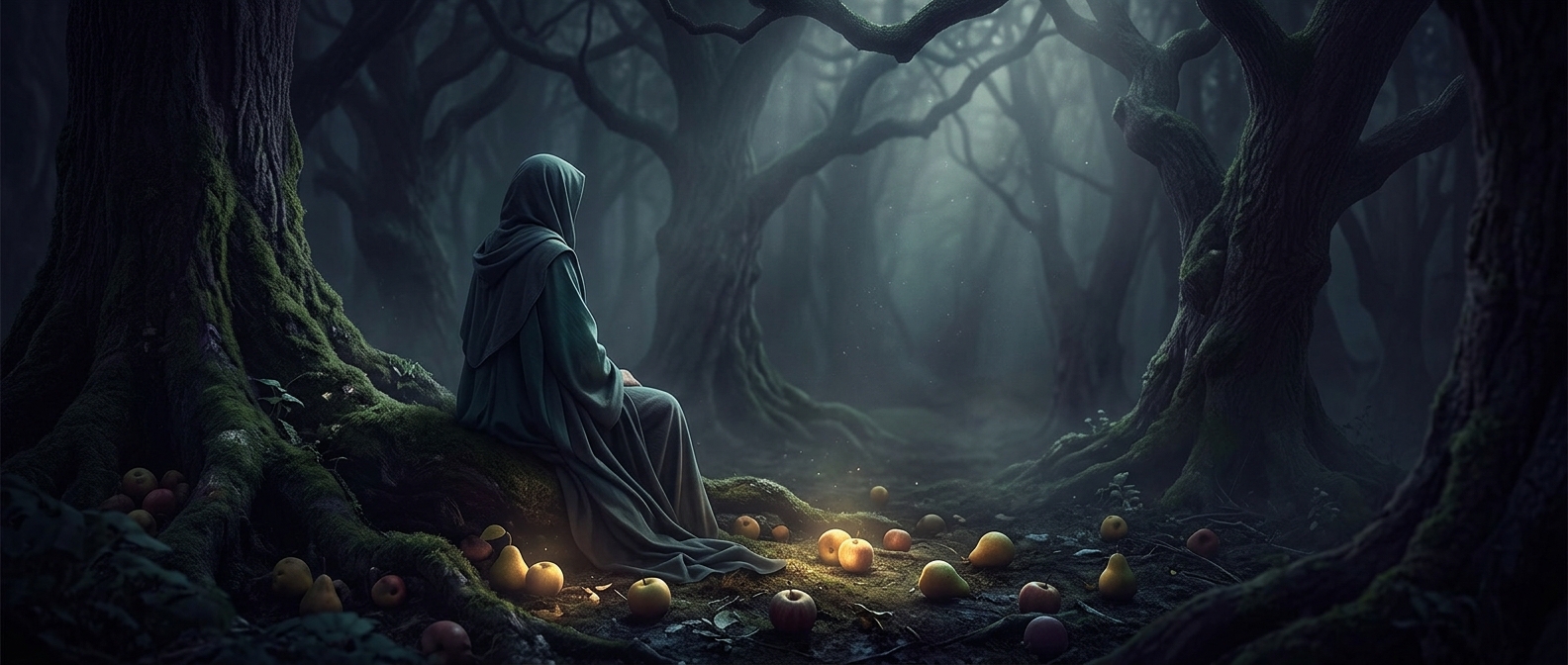
For some fruitarians, the key distinction is not simply between plant foods and animal foods. It is whether gathering food injures or interrupts a living plant. Eating fruit that has already fallen can feel like accepting what nature has released, rather than picking it while it grows. “Purity” here is an ethical ideal: reducing one’s role in causing harm.
The rule also gives an everyday choice a visible test. A fallen apple seems different from one plucked from a branch, even if both are the same food. In nature, fleshy fruits often help plants spread their seeds when animals eat them and later deposit them elsewhere. But a human practice built around non-harm can still face questions about which fruits to eat and what counts as taking too much; people who follow such diets may draw those boundaries differently.
The cost of making the rule absolute
A narrow set of permitted foods can make a balanced diet difficult. Fruit supplies carbohydrates and some vitamins, but a diet centered on it may not provide enough protein, essential fats, or certain minerals. Vitamin B12 is another concern: it is not reliably supplied by unfortified plant foods, so people eating no animal products need a dependable fortified source or supplement.
That creates a practical tension: the stricter the rule about what may be harvested, the harder it can be to meet the body’s needs. For someone following the practice, the question is not only what feels harmless to take, but whether the permitted foods can sustain health over time.