A mood is treated as a moving signal
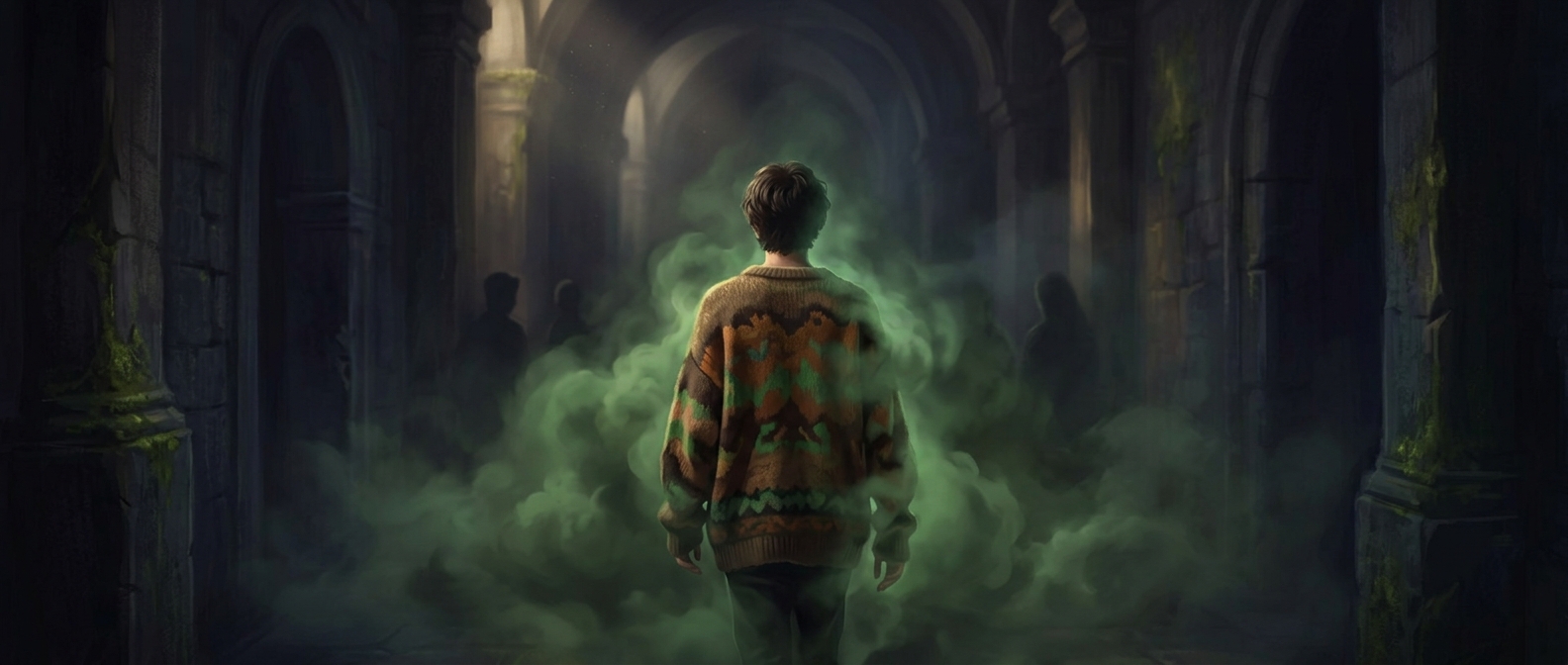
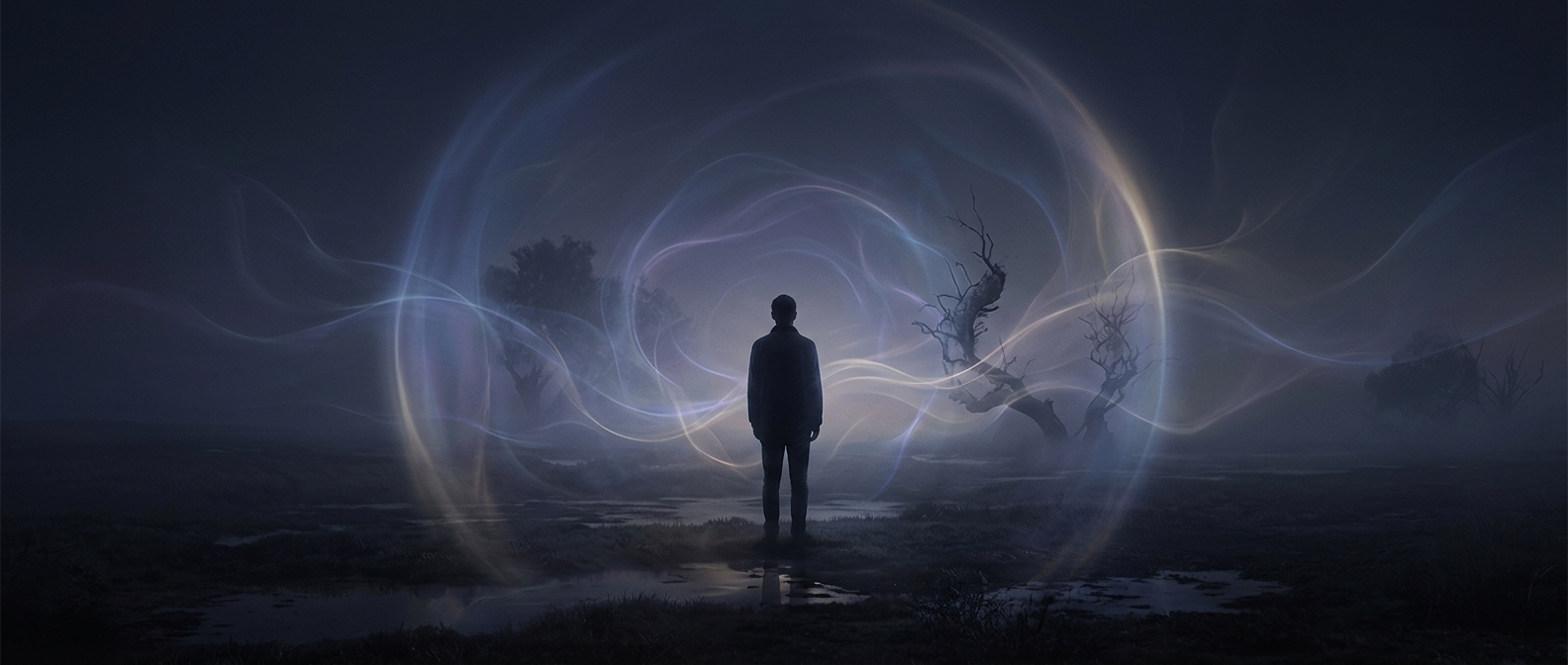
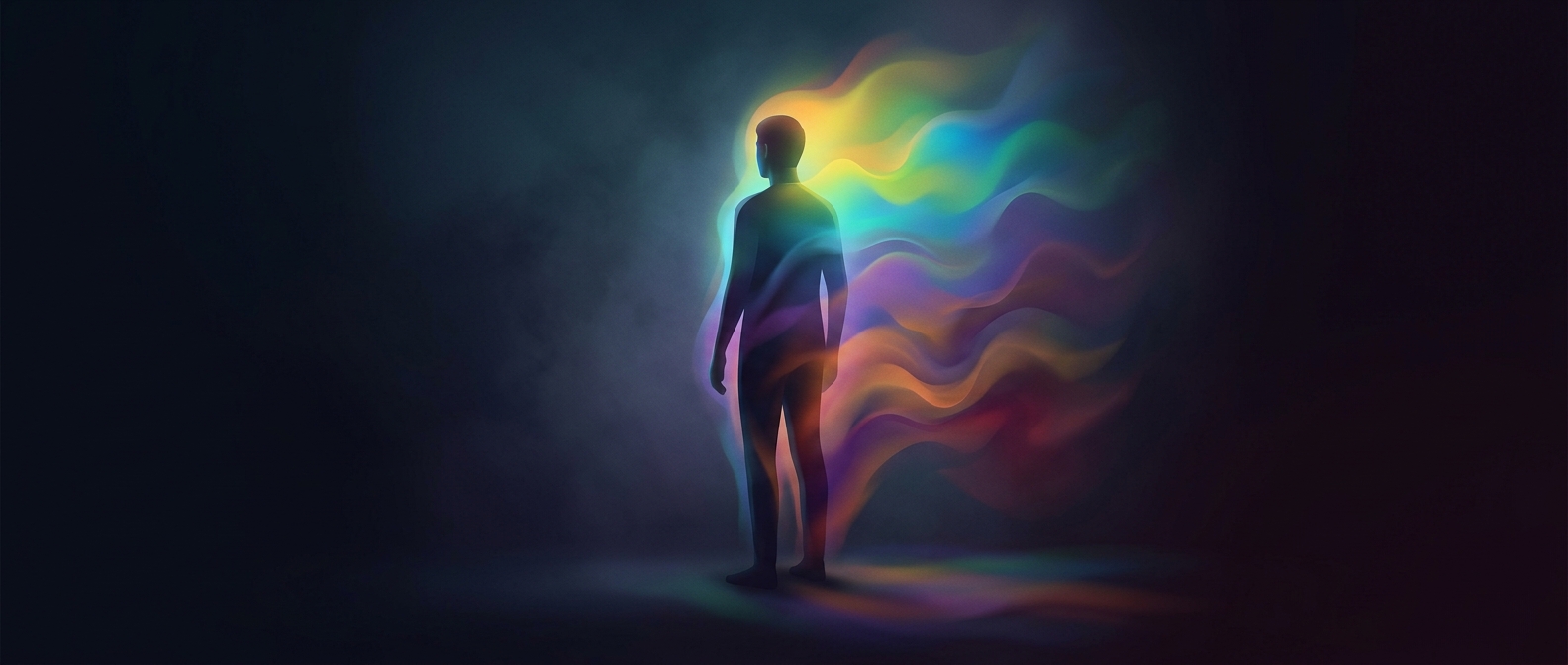
In aura-reading beliefs, color is not just decoration around a person; it is interpreted as an outward sign of an inner state. The reading therefore need not match the emotion someone is displaying. A courteous expression may be understood as social behavior, while a darker or cloudier color is taken to suggest irritation beneath it.
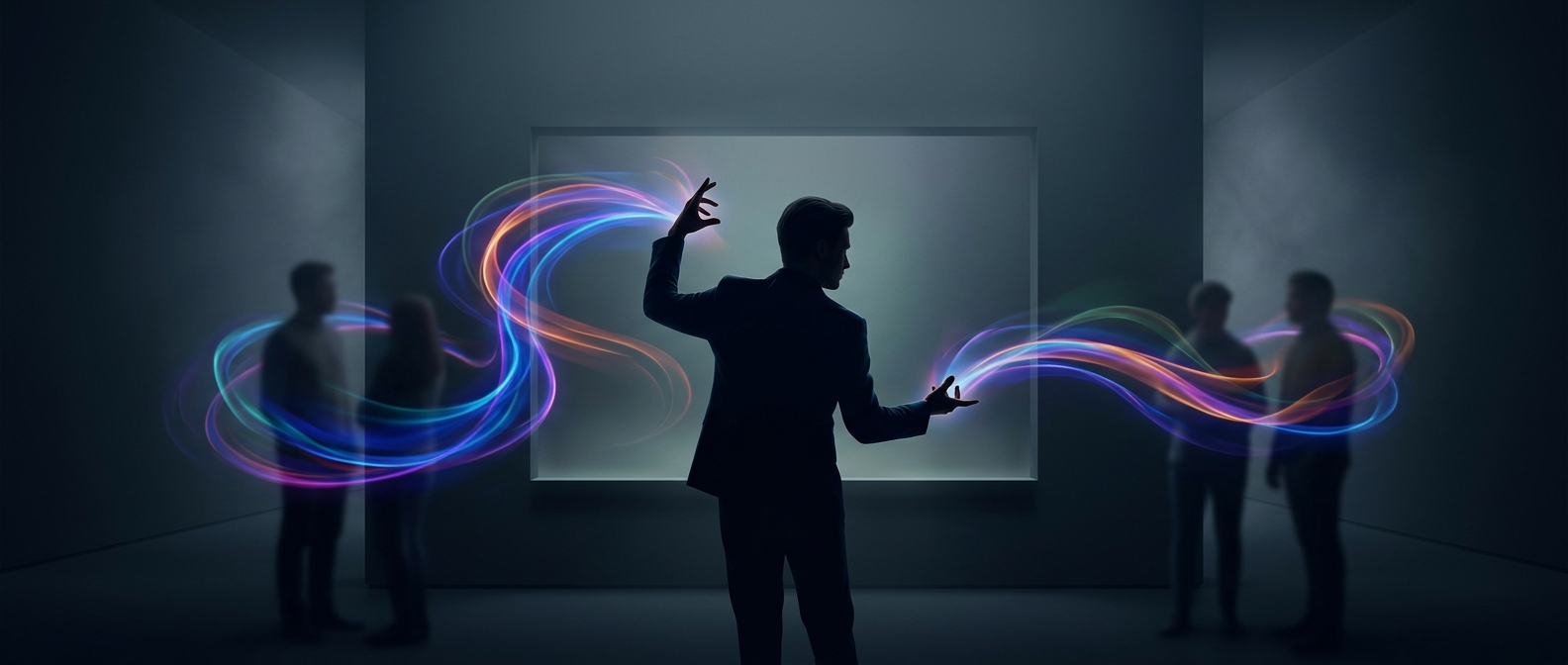
That idea makes an aura less like a fixed label and more like a changing portrait. Someone might be read differently as their feelings shift, or as several feelings seem to overlap. The appeal is partly the promise that an observer can notice what a person has not said aloud.
Color meanings depend on the reader
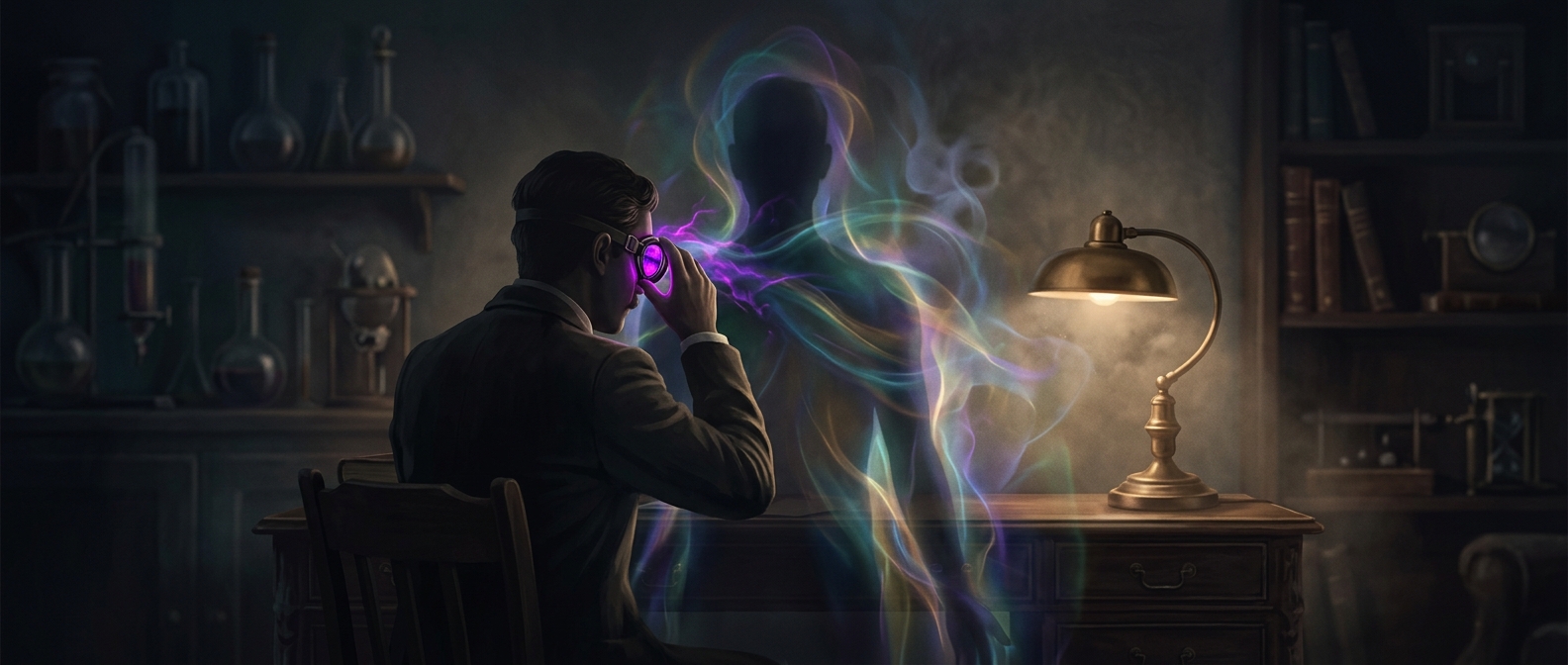
There is no single agreed dictionary that makes every aura color mean the same thing. In the example of a murky brown cloud, the significance comes from the reader’s interpretation of the color’s quality—its dullness or muddiness—as well as the surrounding context. Another aura reader might assign a different meaning.
These readings belong to a spiritual system of interpretation, not a standardized measurement of emotion. Their most useful detail is also their most human one: they imagine that a public smile and private annoyance can occupy the same moment.