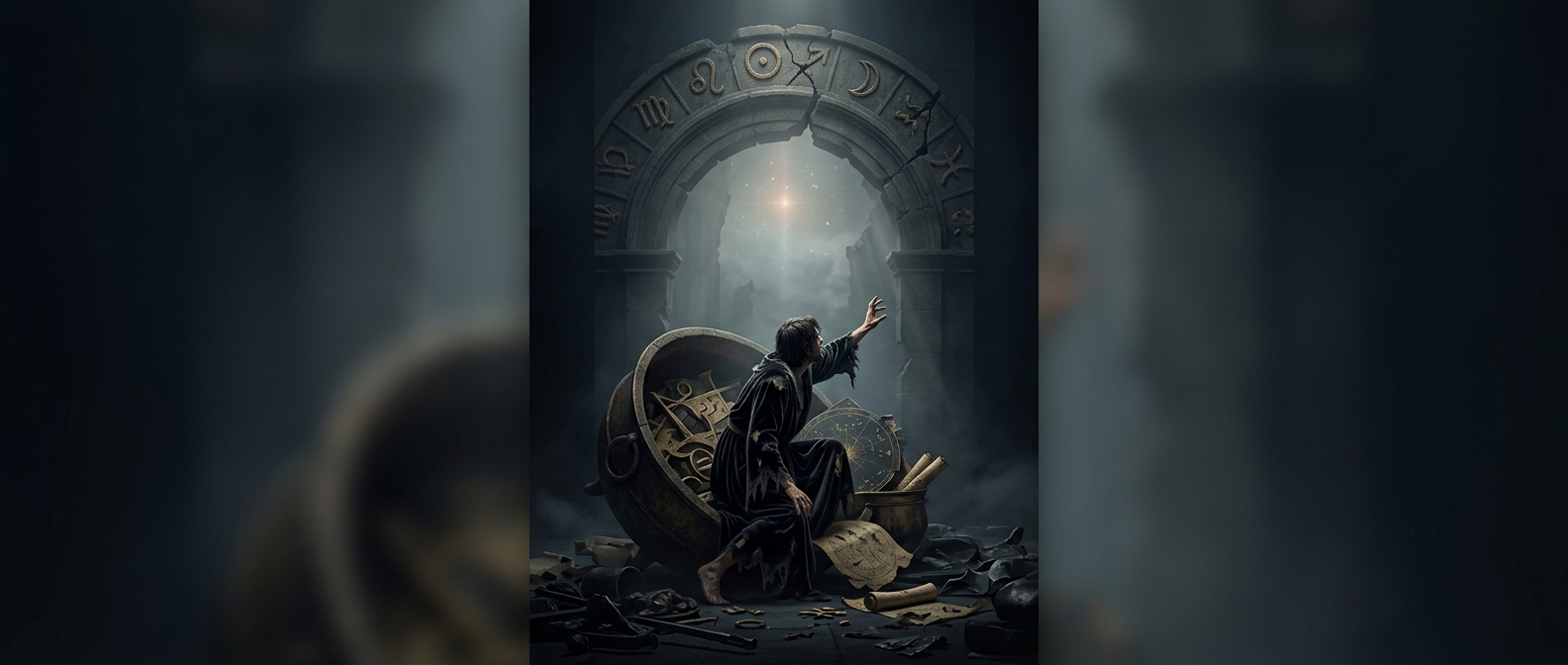
Why a Planet at Home May Not Get Moving
In traditional astrology, domicile means a planet is placed in the zodiac sign assigned to it as a ruler. For example, Mars is associated with Aries. The placement is treated as a kind of essential dignity: the planet is thought to have access to its own resources and to express its nature with unusual ease.
But ease is not the same as effort. A planet in domicile may have the capacity to act without much interference, yet an astrologer might read that comfort as a reason it has little pressure to change or prove itself. The image is not of a weak planet, but of one settled in familiar surroundings—capable, secure, and potentially content to stay put.
Strength and Activity Are Different Questions
Astrological interpretation separates a planet’s condition from what it actually does in a chart. Domicile addresses the first: how well-supported the planet is presumed to be. Its house, aspects, and role in the chart help astrologers consider where and how its themes become noticeable. So a planet can be judged strong by sign while still being described as passive or underused in a particular reading.
That distinction makes domicile less like a guarantee of constant action and more like having a well-equipped workshop: the tools are available, but availability alone does not make anyone start building. Within astrology’s symbolic framework, the placement’s comfort can be both an advantage and a reason its potential remains untapped.