The railway followed the ore
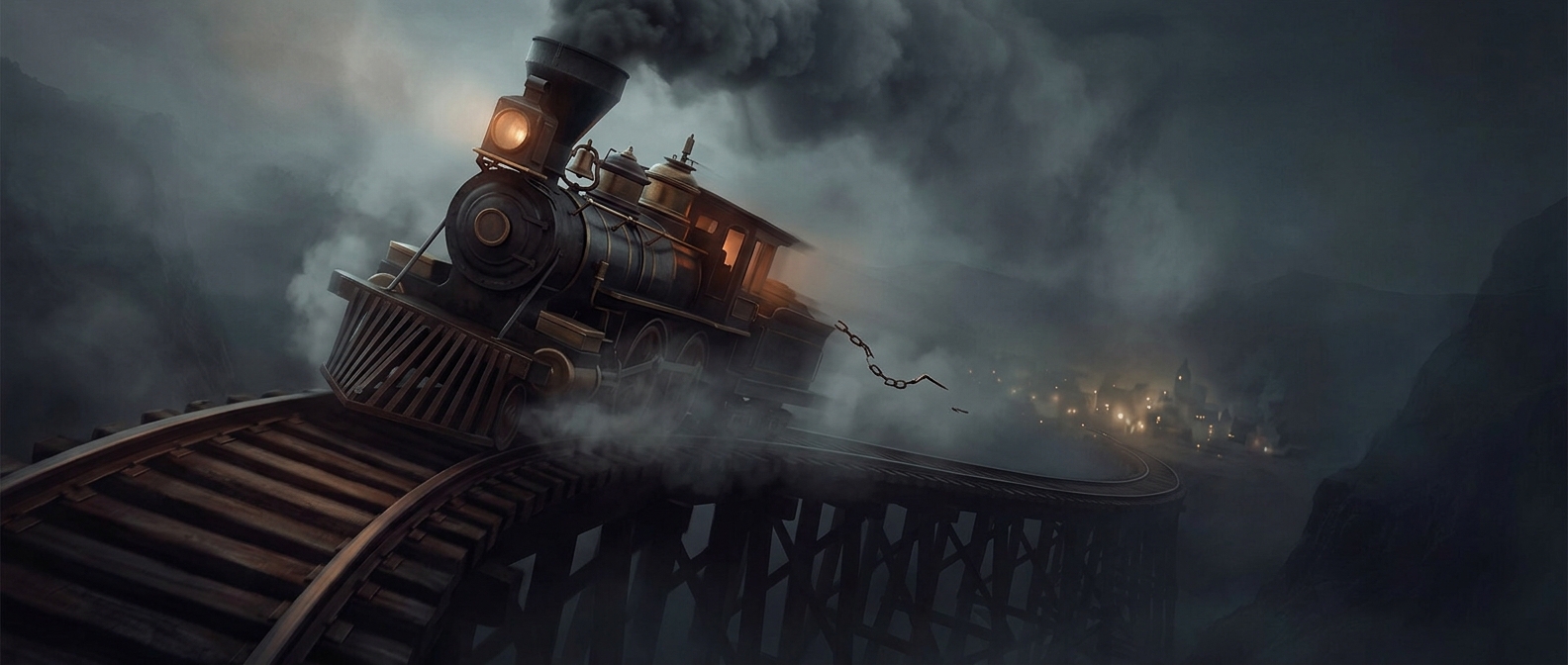
Bolivia’s steam railways were built to move valuable minerals from inland mining districts toward markets and Pacific ports. In a country without a coastline, rail offered a practical way to carry heavy loads across long distances that would have been costly to move by road. British-built locomotives became part of that system, hauling freight on routes whose fortunes depended heavily on mining.
When the cargo vanished
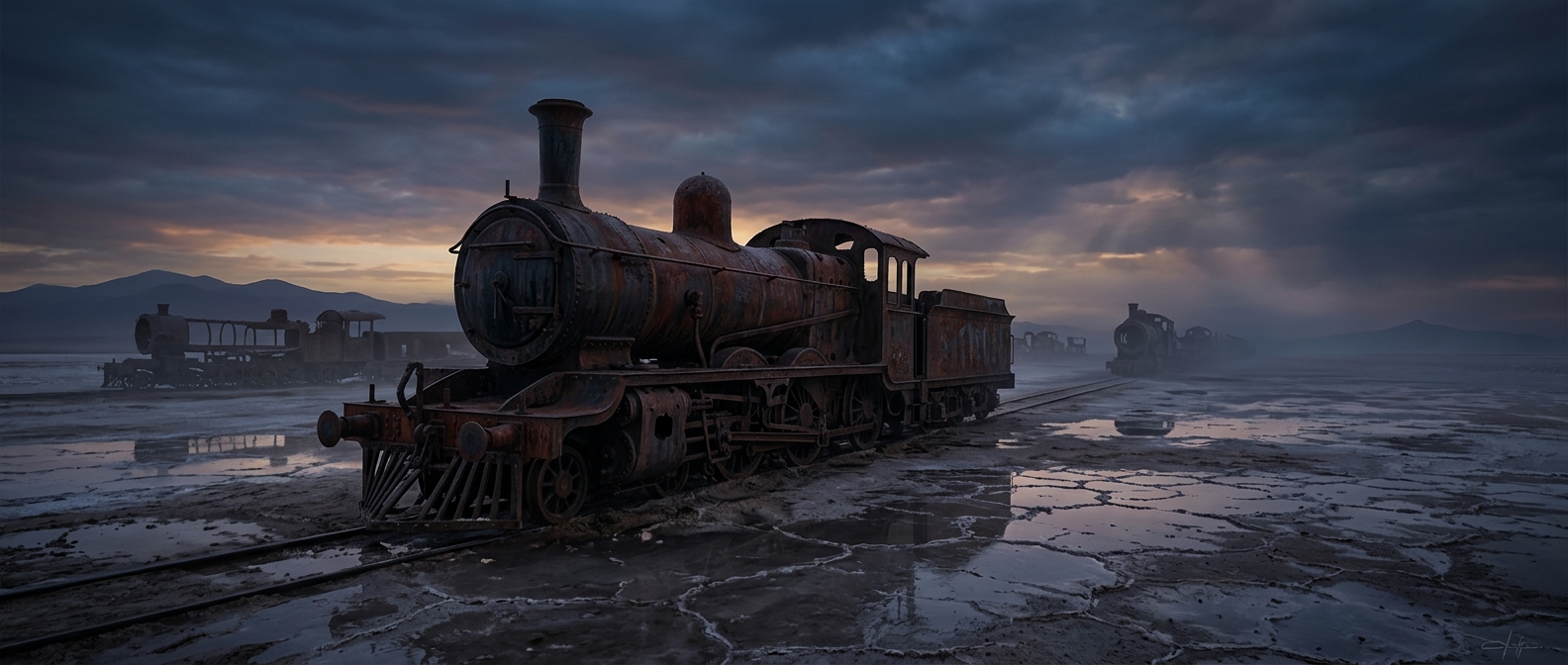
That dependence was also the railway’s weakness. A locomotive and its track were useful only while mines produced enough freight to keep them working. When the mining industry collapsed in the 1940s, traffic fell and parts of the network no longer justified the cost of operation or upkeep. Some steam engines were left near Uyuni, where they now stand apart from the work they were built to do.
A working machine becomes a landmark
The engines’ abandonment was not simply a matter of their becoming old-fashioned: the economic system that had given them a job had failed. Their hulking boilers and wheels make that shift visible. What once connected mines to distant buyers became a stranded remnant of an export economy—and, near Uyuni, a striking reminder that transport infrastructure can outlast the industry that paid for it.