A debt deal became a bet on trade
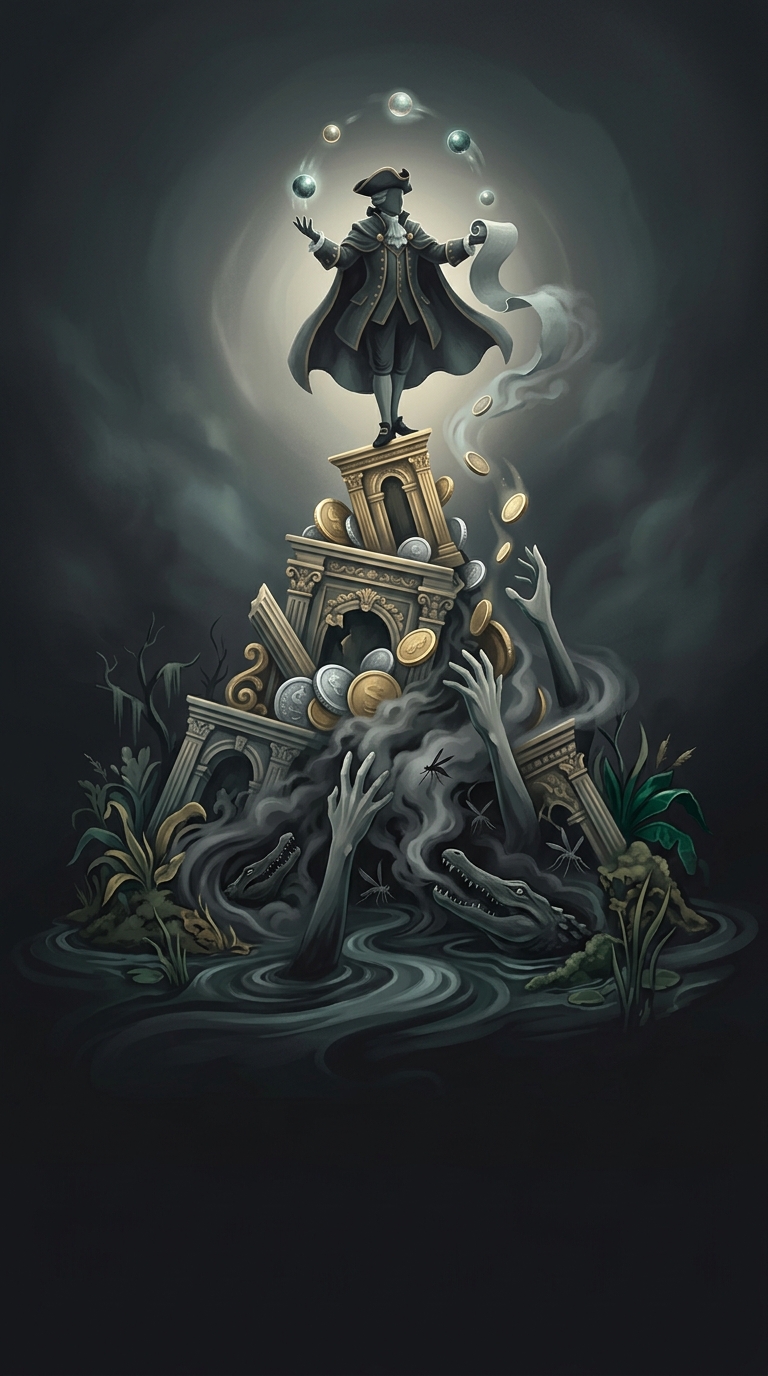
The South Sea Company’s promise joined two very different prospects: a steady role in Britain’s public finances and the possibility of lucrative commerce with Spanish-controlled South America. In 1720, the company secured a plan to take over large portions of government debt, exchanging its shares for creditors’ claims. The arrangement made the company more central to the state—and gave investors a reason to imagine that its stock could keep climbing.
Its trade privileges were real, but they did not guarantee riches. Spain tightly controlled access to its American colonies, limiting what British merchants could actually do. Much of the excitement came instead from what investors expected the company might earn, and from the belief that its expanding financial role gave it exceptional prospects.
Rising prices became their own sales pitch
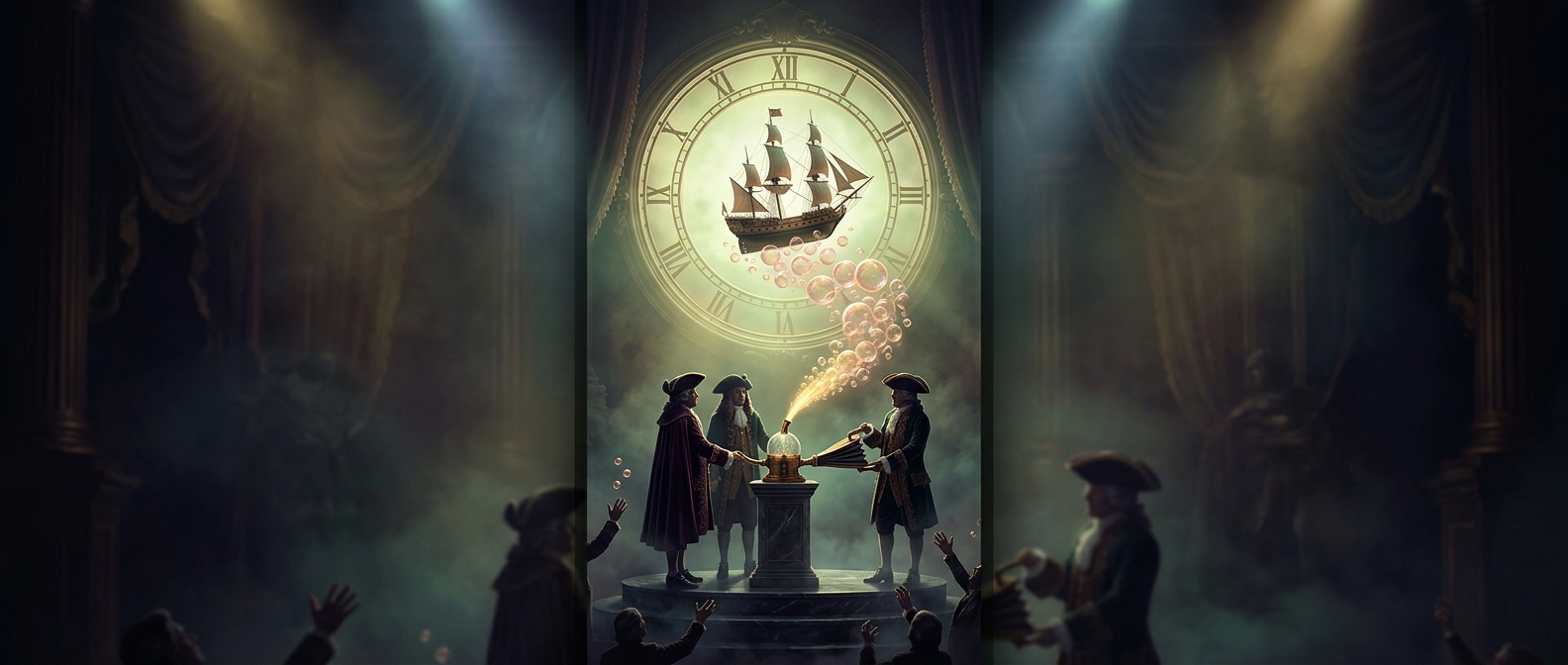
As buyers pushed the share price upward, the climb appeared to confirm the optimistic story. More people wanted in, and promotion—including political influence and bribery—helped sustain confidence. The stock rose roughly tenfold in 1720, far beyond what its practical trading business could readily justify.
That feedback loop is the bubble’s key mechanism: a rising price attracts buyers because they expect further rises, while each new wave of buying makes the expectation seem more credible. But a share price built on enthusiasm can fall just as quickly when confidence turns. When South Sea shares collapsed, investors who had bought at inflated prices faced severe losses.
The modern resemblance—and its limit
The episode is often compared with meme stocks, whose prices can surge as crowds rally around a company online. In both cases, excitement and expectations can outrun a business’s underlying prospects. The South Sea episode, however, was also bound up with government debt, exclusive trading rights, and political connections. Its lasting lesson is not that every speculative surge is identical, but that a persuasive story can make a rising price look like proof of the story itself.