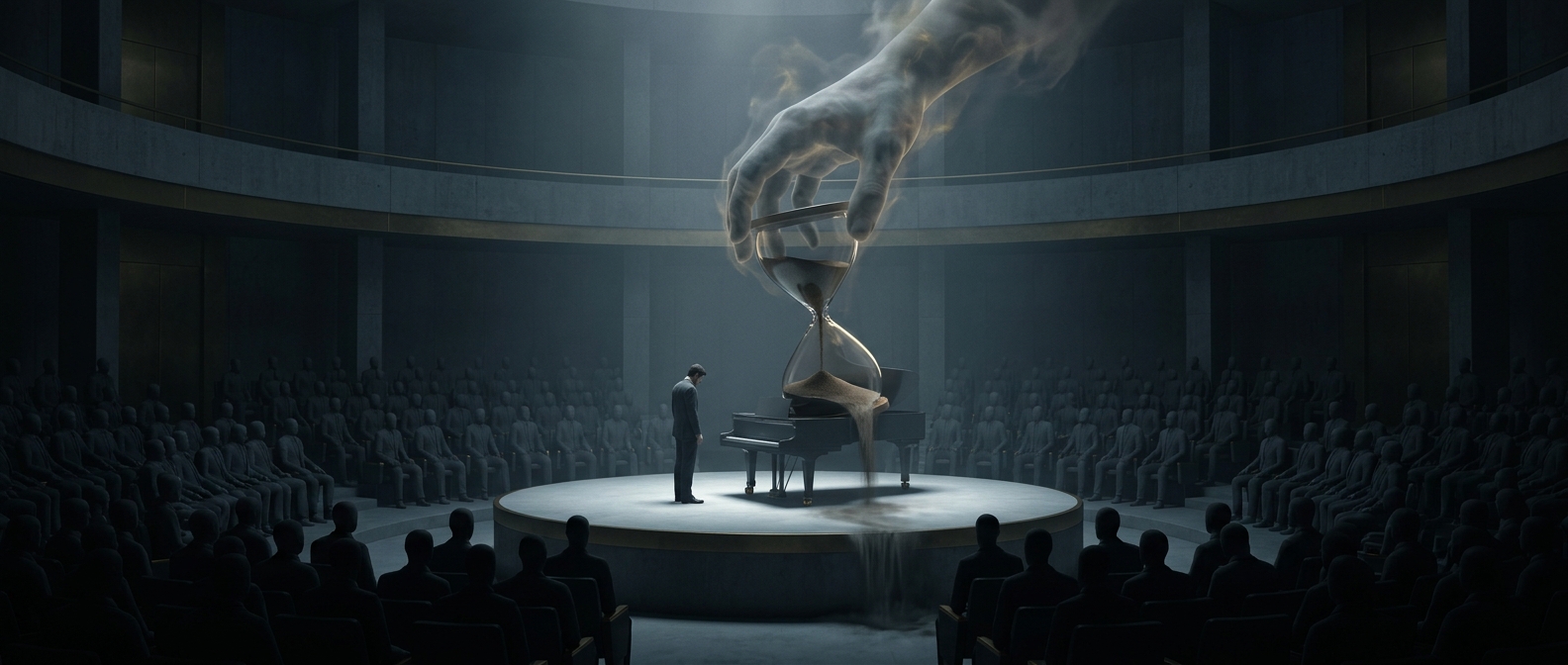
Why coordination starts to need coordination
A small team can often settle a plan in a quick conversation: everyone knows the work, the people involved, and what has changed. As a company grows, those shared assumptions fade. A decision may affect several teams, each with its own deadlines, tools, and priorities. Managers schedule meetings to align the people who need to make or carry out the decision.
That alignment can itself require preparation. Someone must decide who should attend, gather updates, clarify the question, and make sure the meeting produces an action rather than another round of discussion. If the underlying work is still unsettled, a planning meeting may be needed to prepare for the decision meeting. The extra meeting is not necessarily pointless; it is an attempt to make coordination reliable at larger scale.
The incentive to add one more meeting
Meetings are visible and easy to arrange, while the cost they impose is spread across everyone in the room. A person who fears missing a decision may ask to be included. A manager who cannot see another team’s progress may call for a status update. Each choice can seem reasonable on its own, but together they consume time that could have gone to the work being coordinated.
There is also a real tradeoff: fewer meetings can leave teams acting on conflicting assumptions, while more meetings can slow decisions and fragment focused work. The useful question is whether the gathering resolves a dependency—something one team needs from another—or merely reports information that could be shared another way.
Keep the meeting tied to a decision
A meeting about future work earns its place when it has a clear question, the necessary decision-makers, and an outcome people can act on. Without those, participants may leave with new tasks to prepare for yet another meeting. As organizations grow, the challenge is not simply to reduce the number of meetings; it is to make coordination precise enough that the work does not become a chain of preparations for work.