When legal trade becomes too costly
Sanctions do not necessarily remove a good from the world market. They make it harder for targeted buyers to obtain it through ordinary channels. Banks may refuse payments, shipping firms may avoid the route, and insurers may decline to cover a cargo. Even a seller willing to trade can decide that the legal and financial risks are too high.
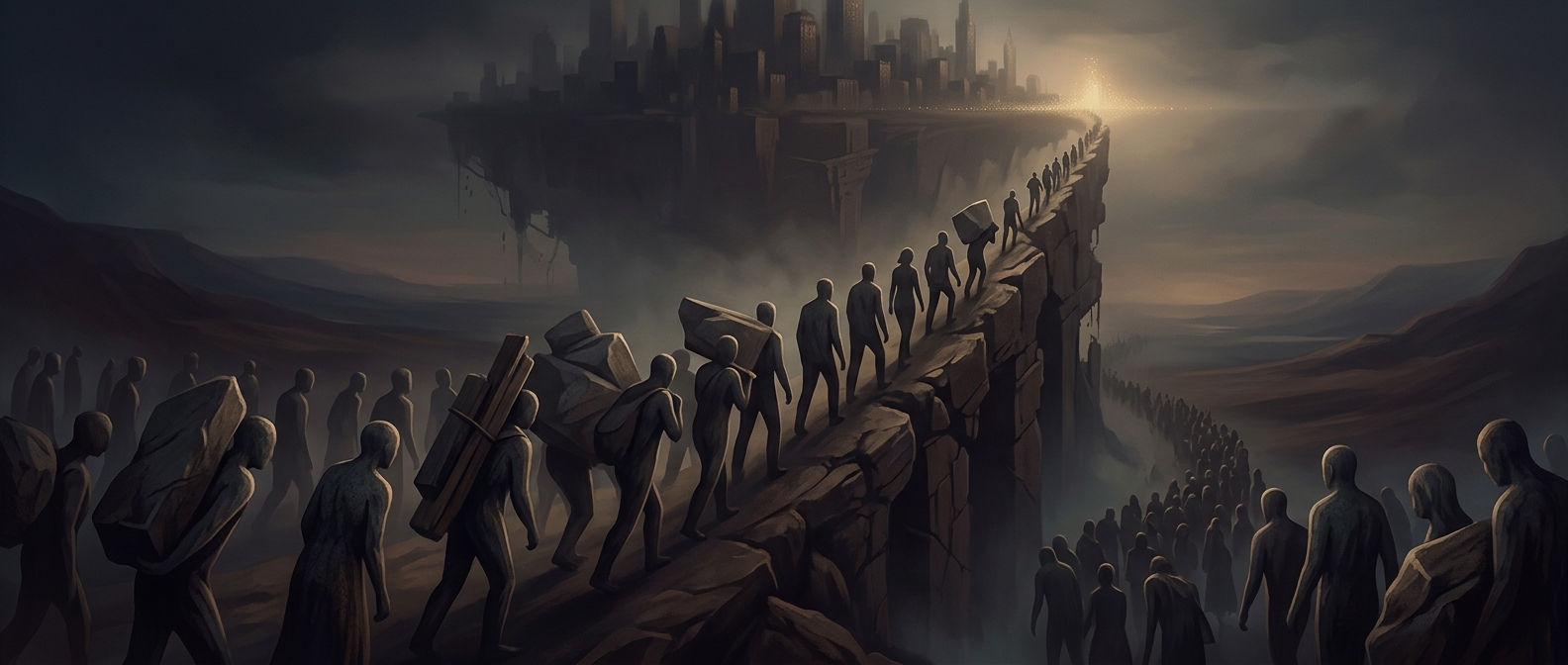
That creates an opening for intermediaries. A shipment may pass through several countries, change hands, or be described in paperwork in a way that obscures its destination. Brokers, transport operators, and local officials who can arrange these steps charge for the extra risk. The goods still move, but at a higher cost and with less visibility.
The premium rewards people who can navigate the restrictions
A black market is not just a hidden shop. It can be a chain of importers, financiers, carriers, and distributors operating outside normal oversight. Scarcity raises prices, while secrecy makes it harder for buyers to compare offers or seek legal remedies. Those who control routes or access to scarce goods can capture unusually large margins.
The arrangement can keep essential supplies and business inputs circulating, but the benefits are uneven. Well-connected firms may secure goods while ordinary households face higher prices, unreliable quality, or shortages. Governments can also lose tax revenue and control over trade; in some cases, officials or politically connected actors profit from the very channels that weaken enforcement.
A shadow trade can become economically central
If enough commerce shifts into these networks, official statistics capture less of what people actually buy and sell. The informal trade may keep factories, markets, or households functioning even as recorded imports and output contract. But it does not replace the lost formal system cleanly: opaque payments and uncertain supply make planning harder, and each added intermediary takes a cut. The goods arrive; the costs and risks are redistributed, often toward people with the least bargaining power.