Why Award Shows Turn Into Long Public Rituals
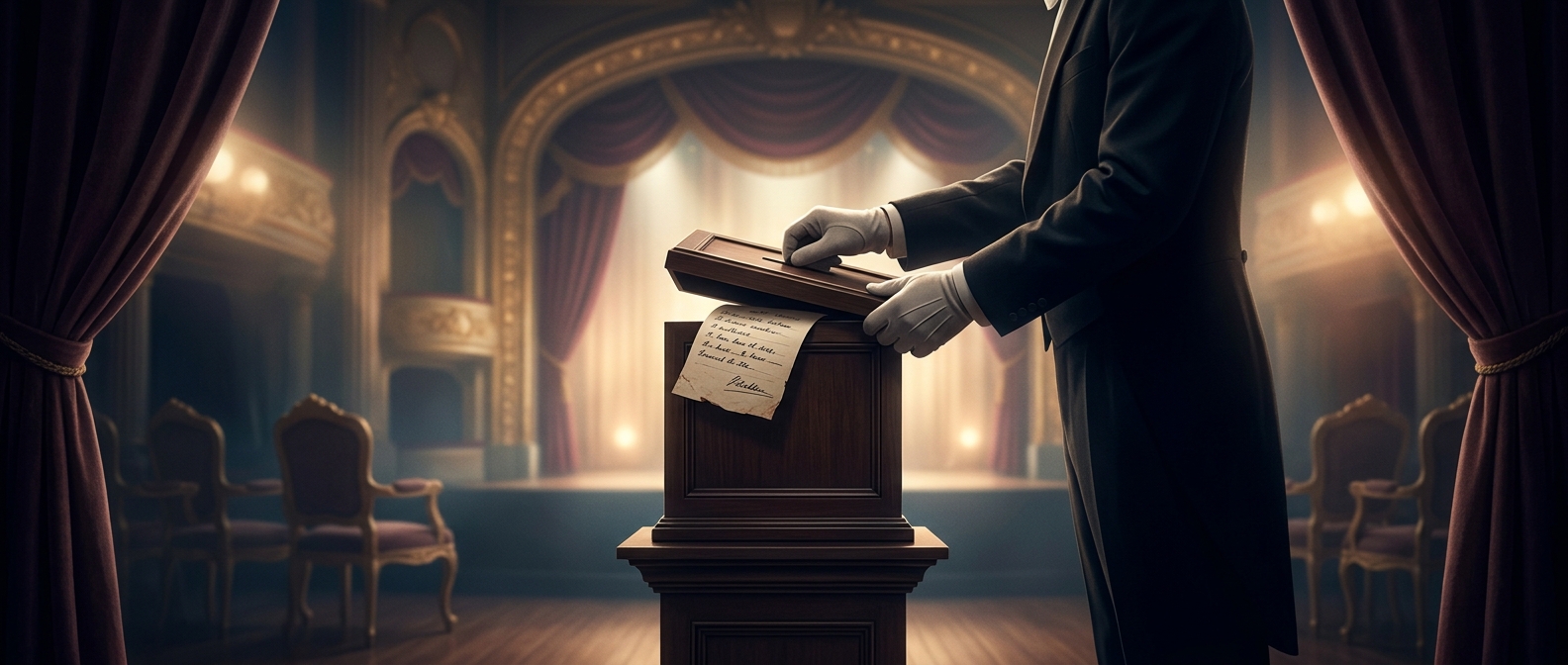
An award show is more than a sequence of winners. It is a ceremony in which an industry presents its own choices as a shared public event: nominees are introduced, prizes are handed over, and acceptance speeches make recognition visible. The congratulations matter because they turn a private vote or decision into a moment of collective endorsement. The same people who compete for attention also appear as witnesses to one another’s success.
The Runtime Is Part of the Package
A broadcast has to accommodate many categories, presenters, performances, speeches, and commercial breaks. Each element serves a different purpose: awards provide the official business, while performances and celebrity appearances make the event watchable as entertainment. Removing too much can make the ceremony feel like a bare list of results; keeping everything means asking viewers to sit through a long procession of introductions and applause.
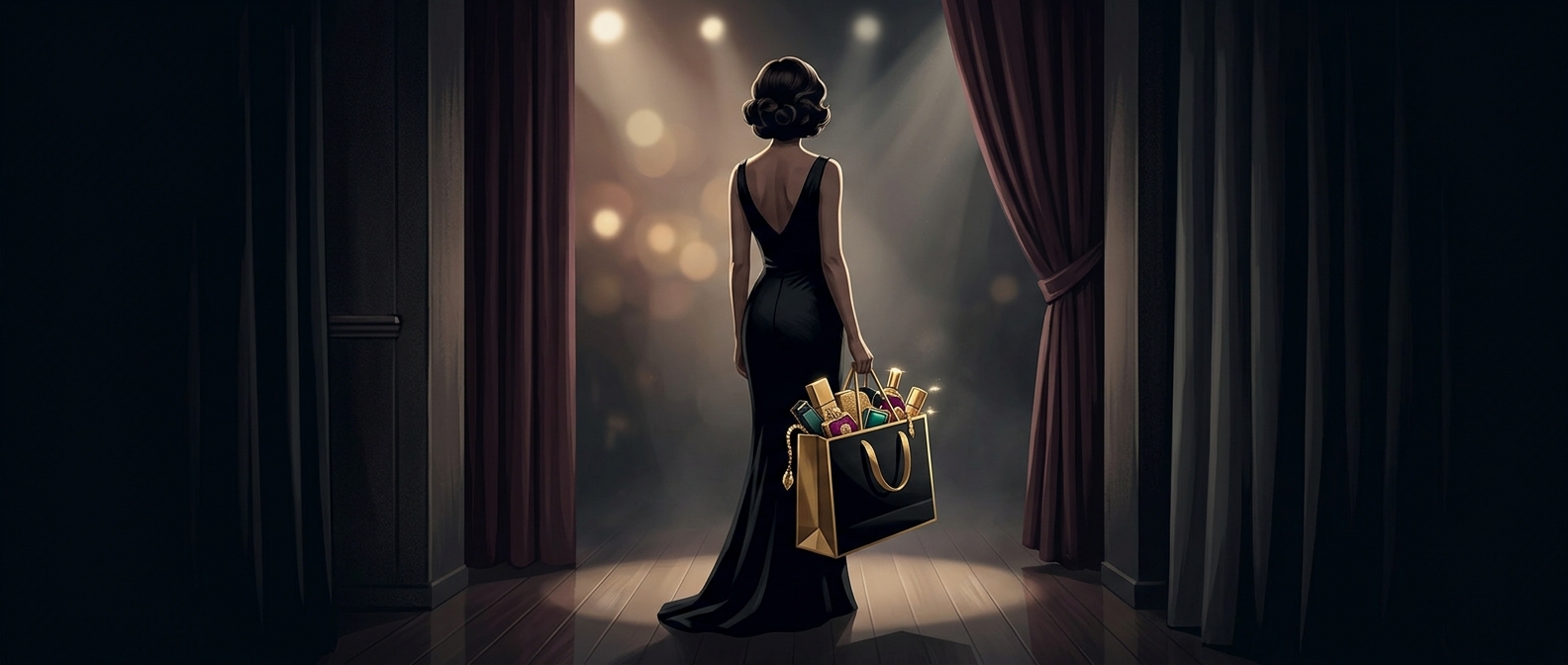
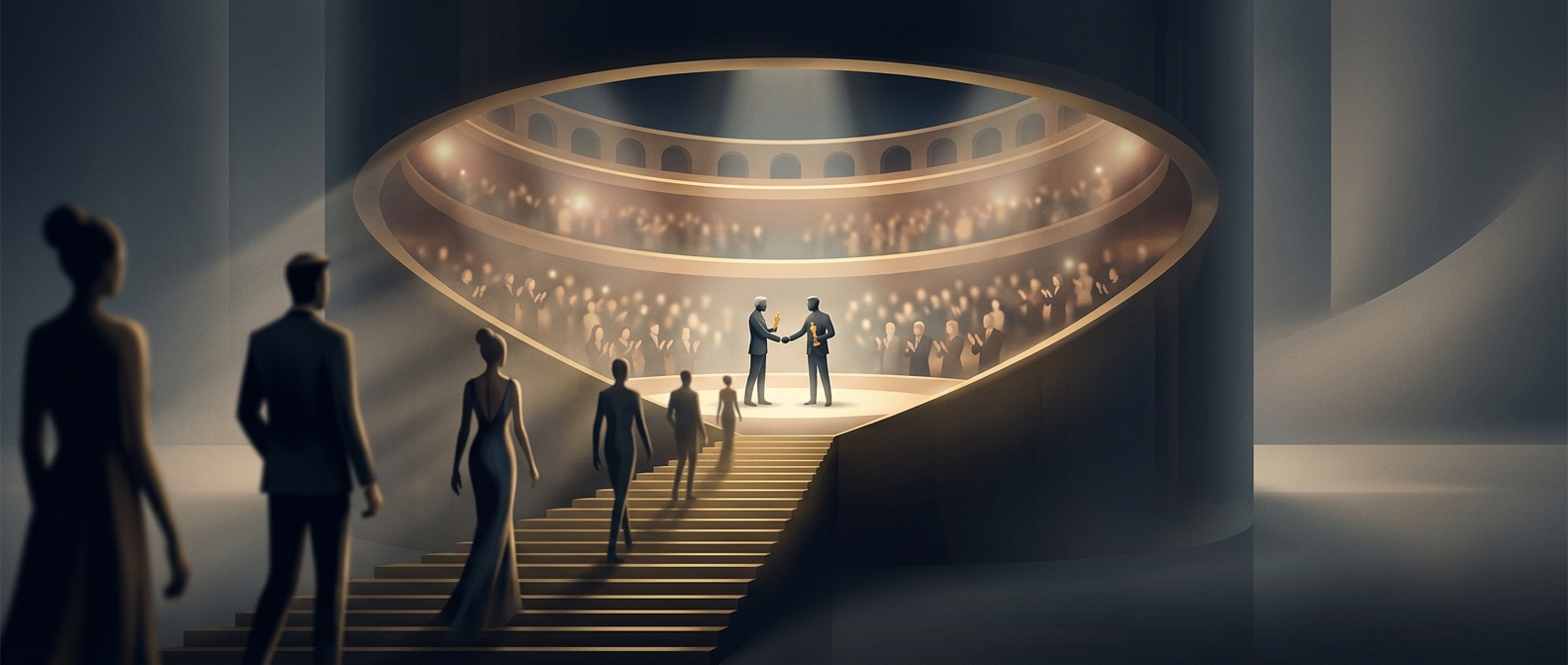
The format also gives the industry a concentrated opportunity to put its stars and productions in front of a large audience. Designer clothing, stage spectacle, and carefully staged encounters help make the event newsworthy beyond the winners themselves. That visibility is valuable to the people and organizations being celebrated, even when the ceremony’s self-congratulatory quality is exactly what makes it seem indulgent to viewers.
Recognition—and the Audience’s Patience
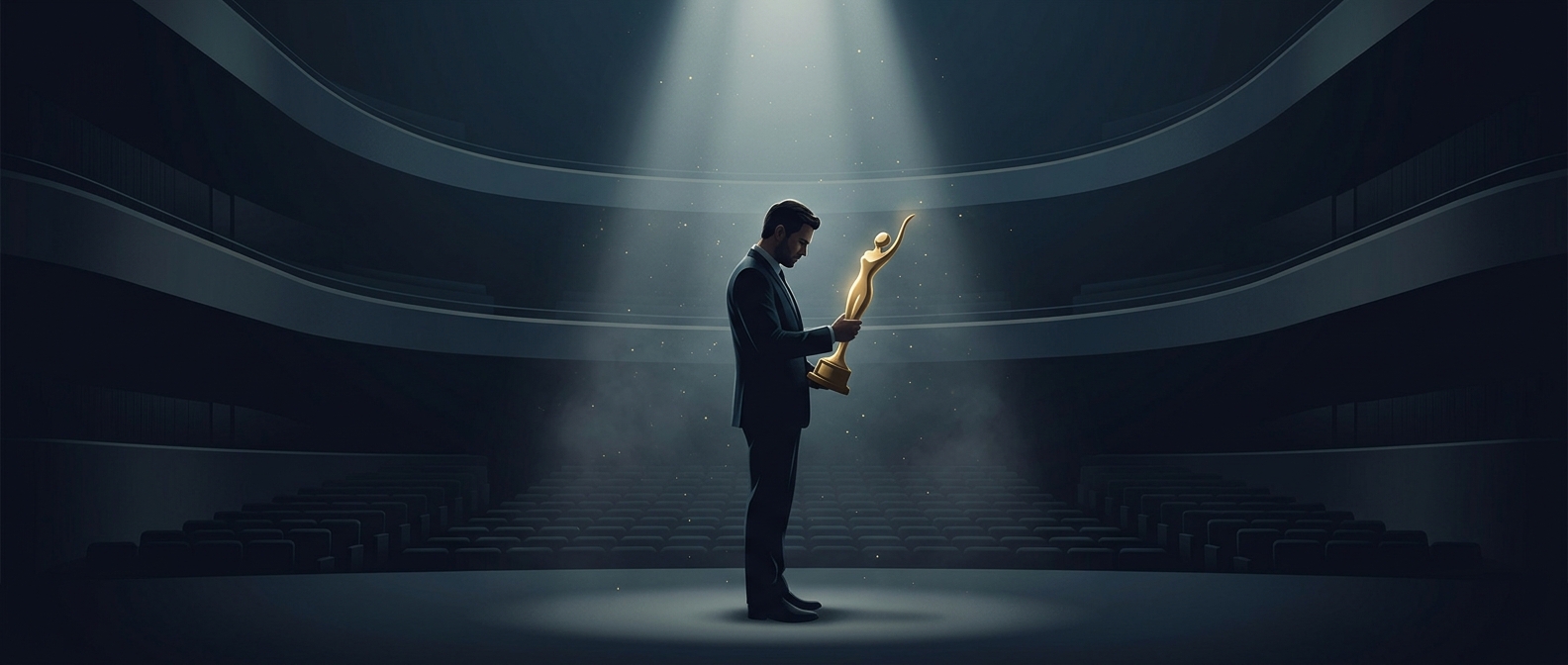
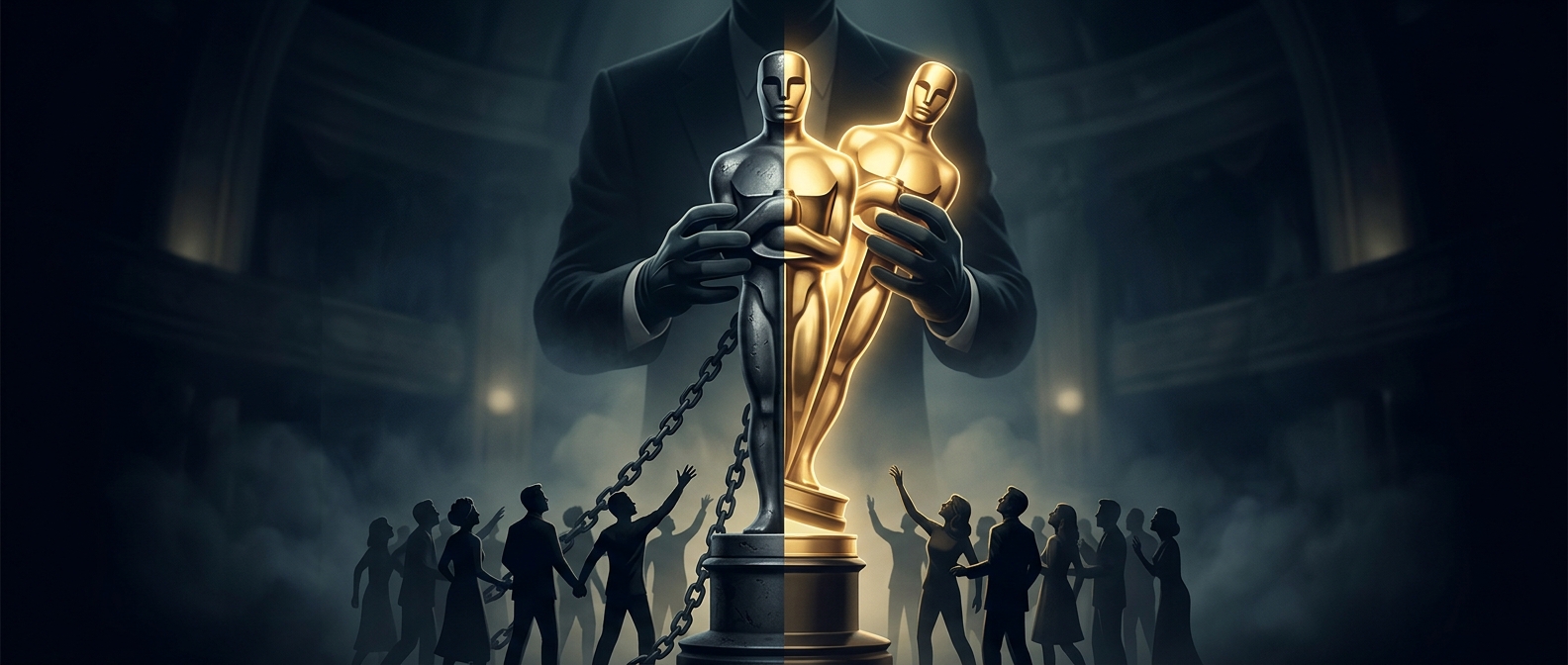
The ceremony’s central bargain is straightforward: the industry gets a polished showcase for its own work, and viewers get a verdict, a spectacle, or both. But every additional speech or presentation competes with the audience’s time. The golden statue may be the official point of the evening; the long broadcast is what turns that award into an occasion everyone can watch—and argue about.