The Hardcover Window Is a Price Tier
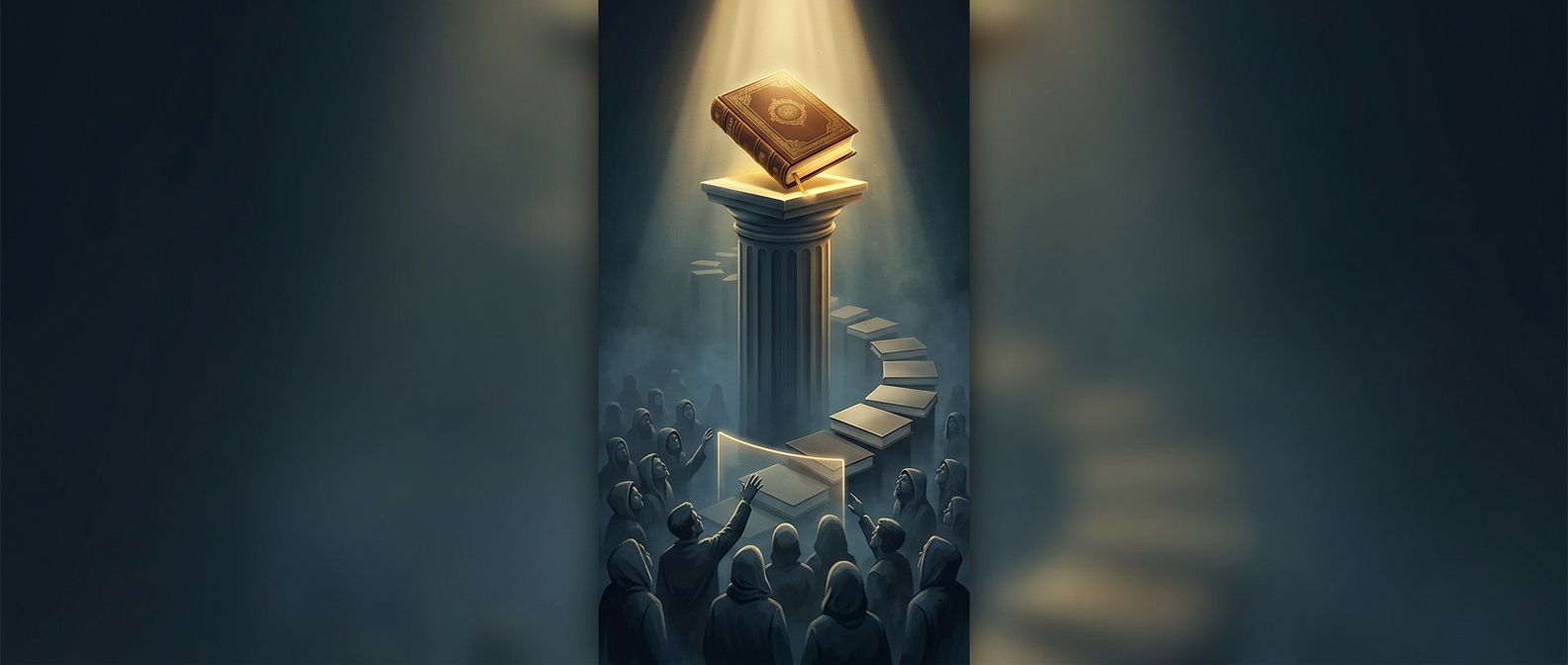
A book’s format does not require it to appear in hardcover first. Publishers choose a release schedule that separates readers willing to pay more for an early copy from readers who would rather wait for a lower-priced edition. The hardcover window lets the publisher offer the book at one price before making a more affordable version widely available.
That timing matters because demand is not identical across readers. Some want a new novel as soon as it arrives, or prefer a sturdy edition for a collection or a gift. Others are content to wait. Releasing editions at different times allows a publisher to serve both groups without asking every buyer to pay the same amount.
Why Not Release Both at Once?
If a cheaper paperback is available on launch day, some readers who would have bought the hardcover may choose the less expensive option instead. Delaying the paperback gives the publisher a period in which the hardcover is the main choice for people who do not want to wait. Later, the paperback can reach more price-conscious buyers and keep the title accessible after the initial launch.
The sequence also gives bookstores and publishers distinct editions to sell and promote over time, rather than putting every version on the shelf at once. It is a commercial decision about timing and audience—not a technical step needed to make a paperback possible.
The result is a built-in tradeoff: pay more for the book sooner, or wait for a cheaper edition. The same story can therefore have more than one launch moment, each aimed at readers with a different balance of urgency and budget.