A harvest begins with the ground
In Farming Simulator, a field is more than a place to drive a harvester. Its soil has properties that affect how crops grow, while moisture is a condition players must keep in view as they plan fieldwork. That turns farming into a sequence of decisions: prepare the ground, choose and plant a crop, tend it as it grows, and decide when conditions are right for the next job.
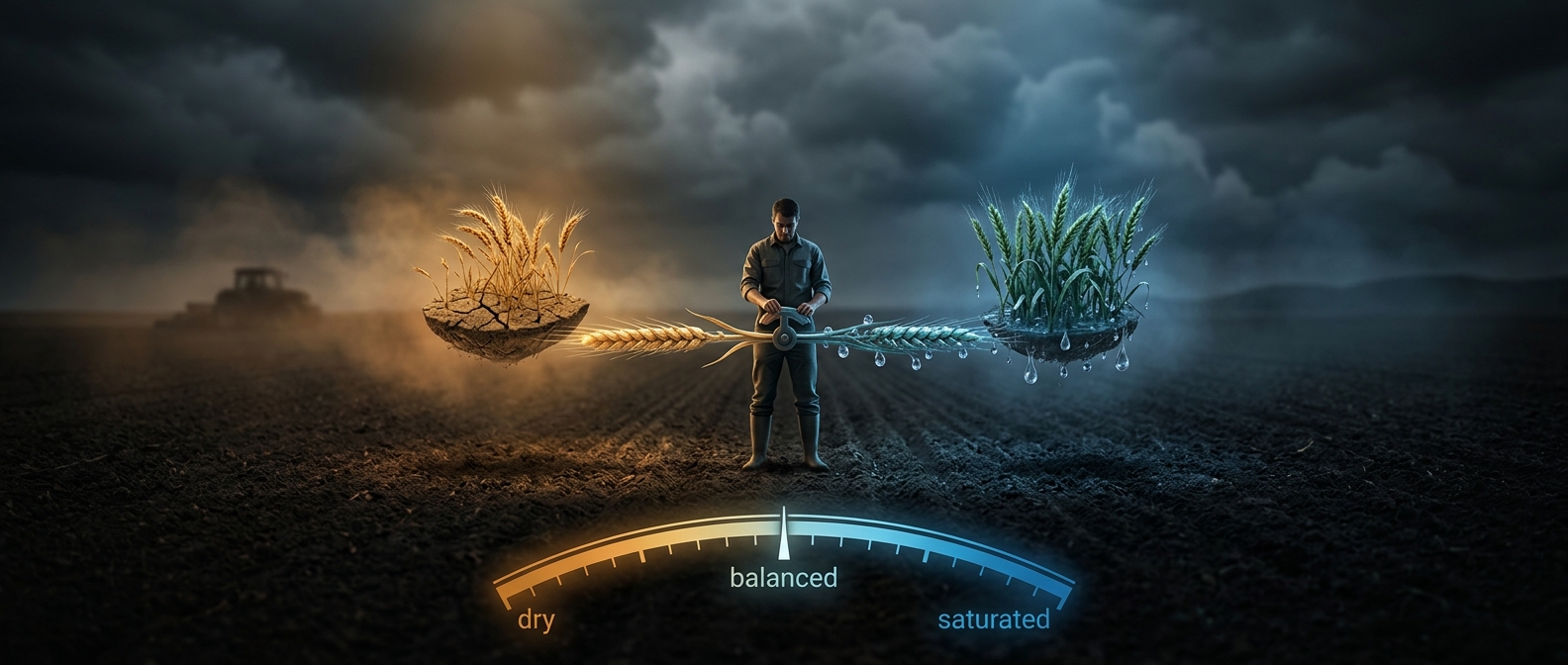
Moisture matters because farm tasks depend on the state of the field, not just the calendar. Players have to fit work around changing conditions and coordinate machines and other jobs instead of treating every field as ready at once. Soil composition adds another layer: the same plan may not suit every plot, so players must pay attention to what each field needs.
Why it changes the pace of play
The challenge is logistical as much as agricultural. A player may have several fields at different stages, with limited time and equipment to manage them. A decision on one field can affect the schedule for the rest: rush ahead, and a task may be mistimed; wait, and other work may pile up.
That extra planning is what makes a virtual harvest feel less like a single drive across a field and more like running a farm. The combine is only the visible finale; the work that makes it possible starts with reading the ground.