A small gesture for an uncertain moment
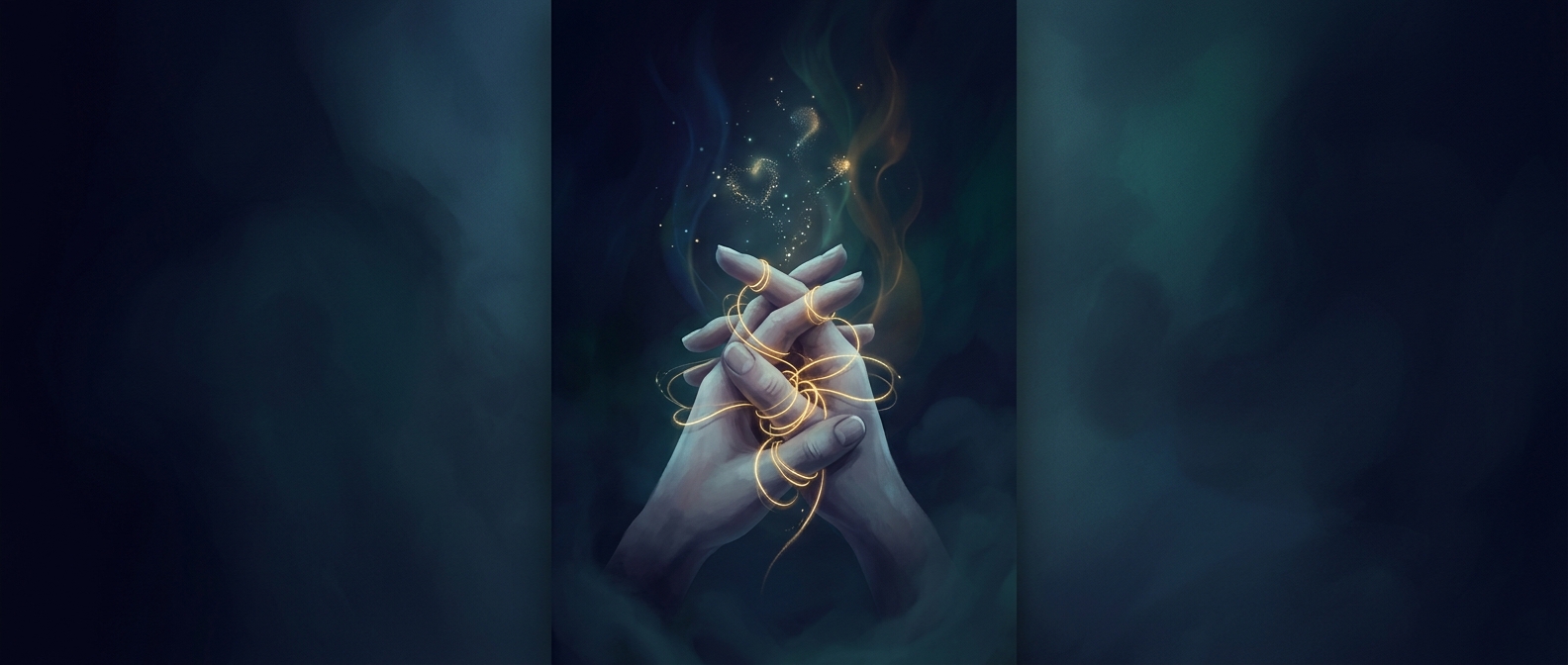
Crossing the fingers turns a wish into a physical ritual: instead of merely hoping for a favorable result, a person makes a familiar sign while waiting for it. The gesture can offer a brief sense of agency when the outcome is out of their hands. That feeling may make uncertainty easier to sit with, but it does not change the events being hoped for.
One sign, two messages
The same hand shape can communicate different things depending on what is happening. Used openly, crossed fingers usually signal hope for luck or a favorable outcome. Hidden behind the back, they can mark a promise as unserious—a silent indication that the speaker does not intend to keep it. The setting and the audience, not the fingers alone, supply the meaning.
Why the ritual lasts
A ritual does not need to work as magic to feel useful. Repeating a simple action can focus attention and give a person something concrete to do while they wait. If the hoped-for result follows, the gesture may become more memorable than all the times it made no difference, helping the habit persist.
That is the gesture’s real reach: it can change how a person expresses hope or handles a tense pause, even when it cannot change what happens next.