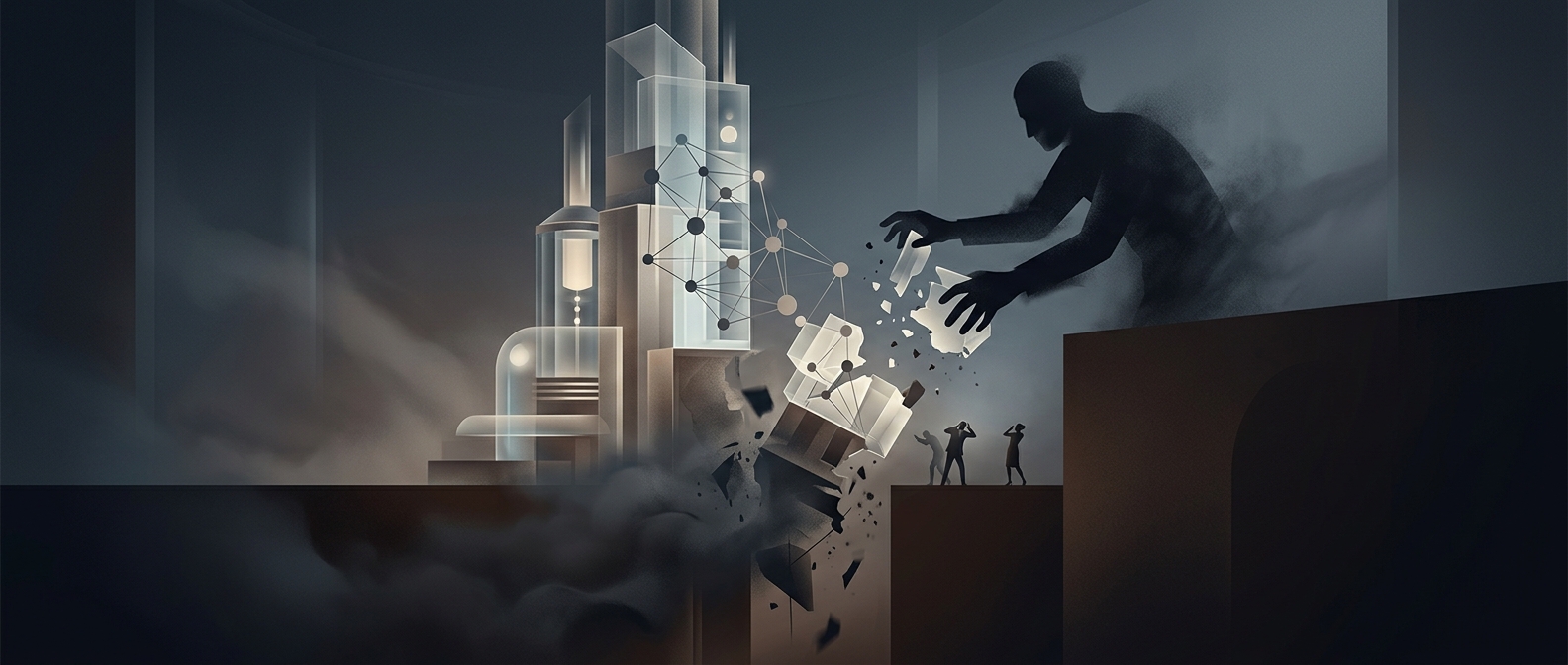
Why a bully’s results can look better than they are
A manager who demands fast output may appear productive because the visible work—sales closed, deadlines met, tasks completed—is easy to count. The costs of getting that work through intimidation are less visible and often show up elsewhere: in another team’s workload, in sick days, or months later when an employee leaves.
That gap is an accounting problem as much as a management one. A department’s numbers may credit the manager for what the remaining staff produce without subtracting the time spent covering vacancies, correcting rushed work, or handling avoidable conflict. The manager can look efficient while the company absorbs the bill across several budgets.
How the costs spread
When experienced employees quit, the company loses more than a person’s hours. Coworkers may have to take over their tasks, while replacements require recruiting and time to learn the job. Work can slow even before anyone resigns: employees who expect blame or humiliation may avoid raising problems, sharing ideas, or asking for help. Small mistakes then have a better chance of becoming expensive ones.
Sick leave and deliberate slowdowns are different responses, but both reduce the work a team can reliably deliver. The damage can also reach people who never report to the bully directly if delays, poor handoffs, or low-quality work affect other departments.
The tradeoff a company needs to see
A fair assessment compares a manager’s apparent output with the conditions required to produce it: turnover, absences, rework, team performance, and the burden placed on other groups. None of those measures alone proves bullying caused a loss; together, they can reveal costs that a narrow productivity target misses.
The practical consequence is that a manager can hit a short-term target while weakening the team that must keep hitting it. If the experienced people leave and the remaining staff are too wary to flag trouble, the damage may become obvious only after the manager’s impressive numbers have stopped being sustainable.