A tiny ration in a very strange shop
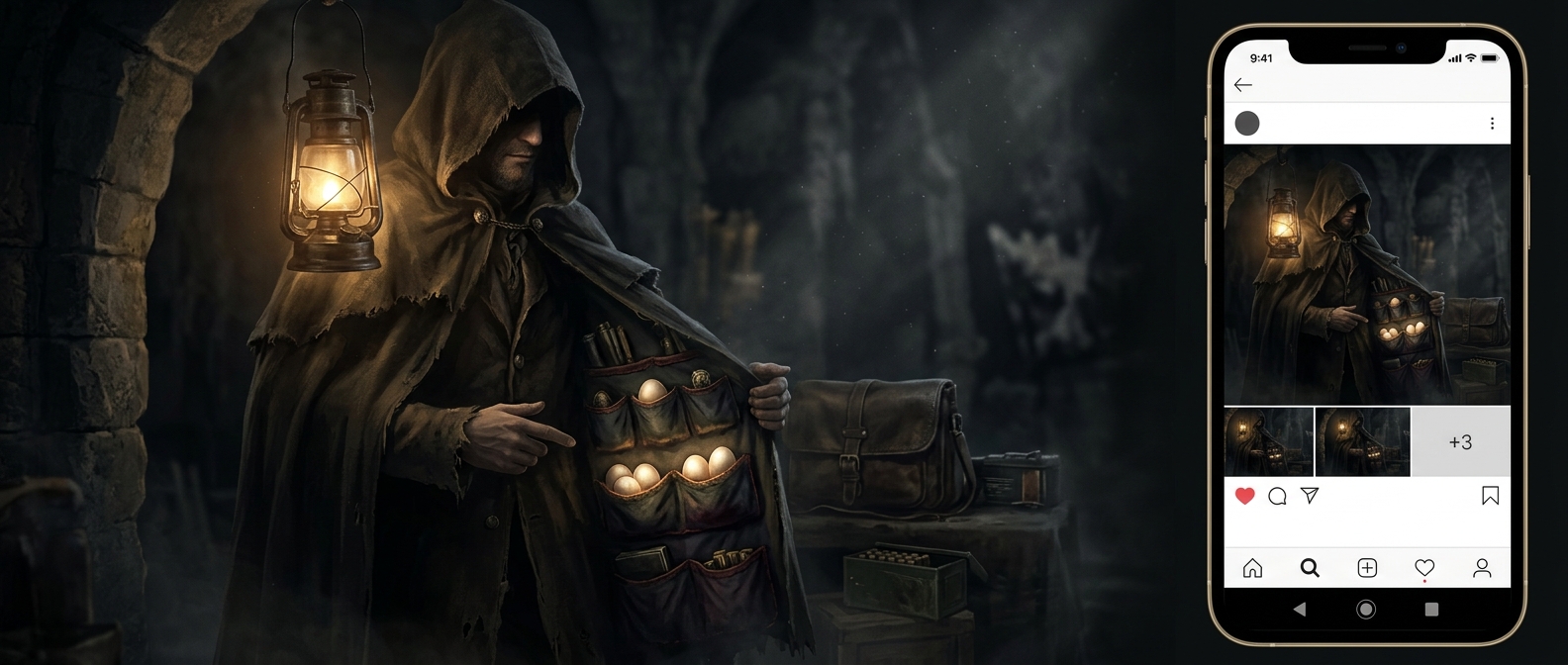
The merchant’s eggs are funny because they make survival horror’s inventory system briefly, unmistakably ordinary. Alongside weapons and ammunition, he offers a food item that seems to have come straight from inside his trench coat. The game does not pause to explain how he kept it—or why anyone would buy it there.
But the egg has a practical role: using it restores a little health. It is a small, consumable recovery item, not a substitute for the more substantial healing supplies a player may want to save for a dangerous fight. That modest effect makes the purchase a tradeoff: spend money for a quick top-up, or hold onto it for ammunition, equipment, or a stronger recovery option.
The joke fits the survival economy
Survival-horror games turn health into a resource to manage. A minor wound can matter when healing supplies are scarce, so even an odd little item can become useful. The egg’s familiar, mundane nature also makes it a comic contrast with the merchant’s arsenal and the danger outside his shop.
That contrast is the memorable part: the merchant’s coat functions as a storefront for both deadly hardware and an implausibly portable snack. And once the player buys the egg, its absurd provenance gives way to a straightforward decision—eat it now for a small health boost, or keep moving and save the cash next time.