The danger is managed, not imaginary
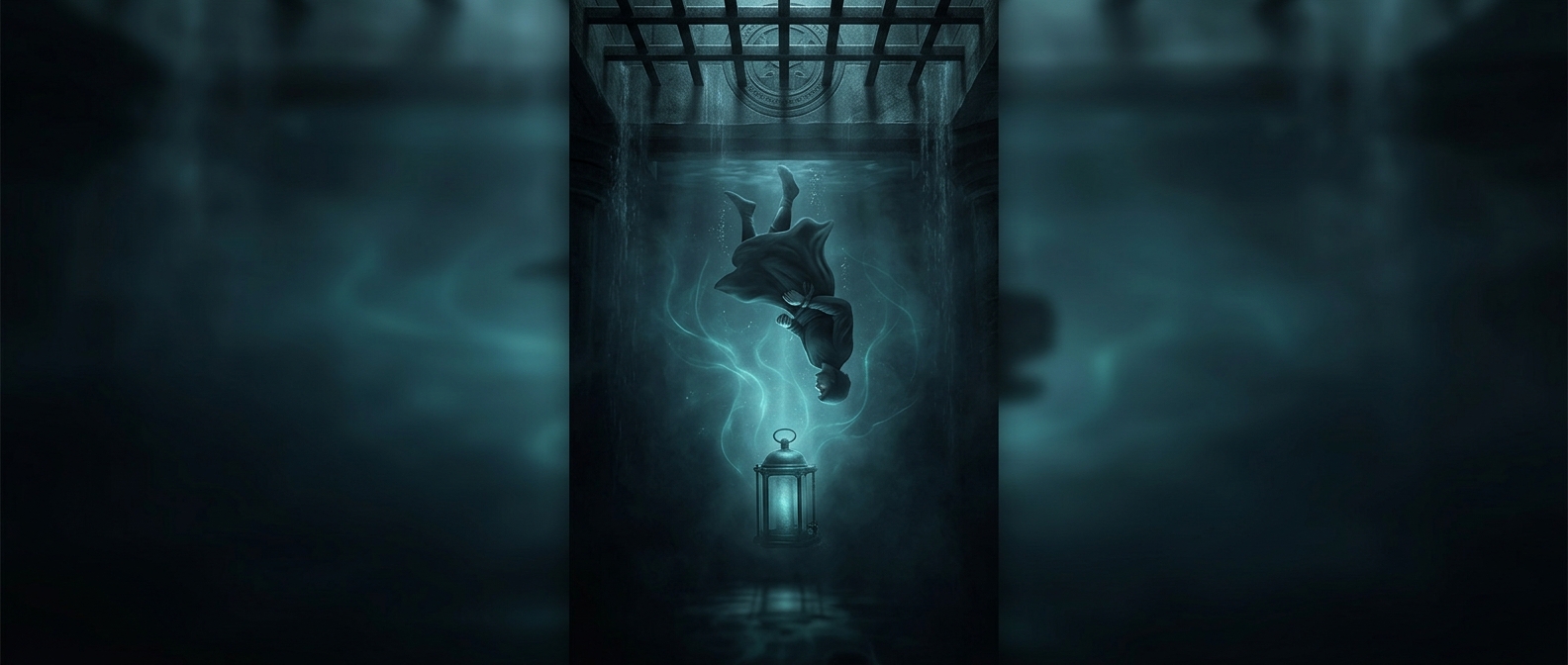
In a water-torture-cell escape, the water is real and the performer must solve a real restraint problem while submerged. The spectacle comes from making that problem visible: an audience can watch the performer struggle inside the tank but cannot see exactly what the hands are doing. The apparent impossibility is part of the act; the escape still depends on a performer who can work under pressure before needing air.
Why calm matters underwater
A person’s first powerful urge to breathe is largely triggered by rising carbon dioxide in the blood, not by a simple gauge that announces how much oxygen remains. That urge can become overwhelming, while effort and panic make the body use oxygen faster. Underwater, a few frantic movements can therefore make an already limited window shorter.
Training helps a performer stay composed and coordinate the escape despite the body’s alarm signals. It does not make breath-holding safe or remove the risk. The trick’s suspense rests on a narrow margin: the audience sees seconds pass, while the performer must keep both the physical task and the need to breathe in view.
A visible countdown
The tank turns an invisible bodily limit into the act’s central clock. A locked restraint gives the audience a clear obstacle; the performer’s submerged body gives them a clear measure of time. That combination is why the escape can feel supernatural without relying on false water: the mystery is in how the performer gets free, while the breath-holding is real.