How a Raisin Crop Became a Shared Reserve
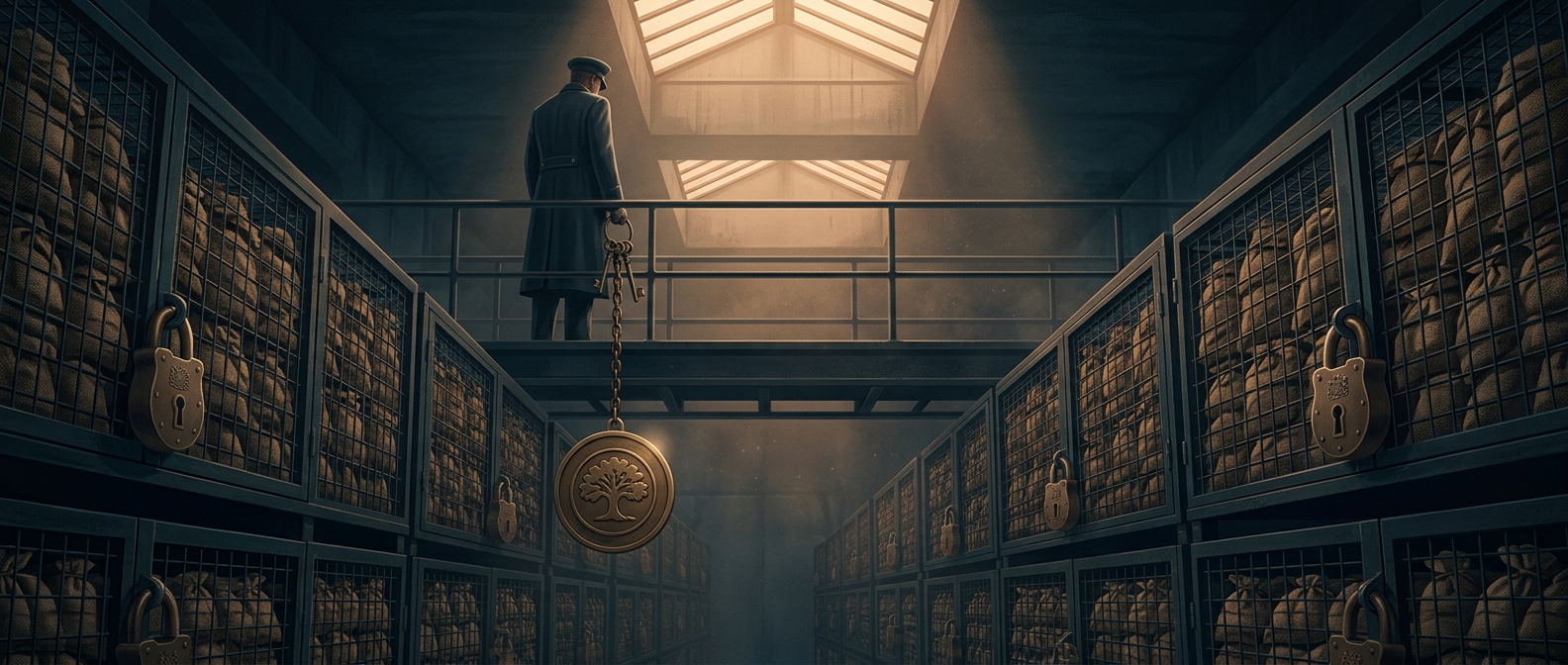
Under a federal agricultural marketing program, raisin growers could be required to set aside part of their harvest instead of selling it freely. The Raisin Administrative Committee, a group operating under U.S. Department of Agriculture oversight, determined how much would be held back in a given year.
The idea was to manage supply. If a large harvest flooded the market, raisin prices could fall; keeping some fruit out of ordinary sales was intended to reduce that pressure. The reserve raisins could instead be directed to uses such as exports or other programs, rather than competing with the crop being sold commercially.
The Tradeoff for Growers
This system shifted some of the cost of market support onto growers. They lost the immediate chance to sell the reserved portion, while the committee managed it collectively. Depending on what happened to the reserve, growers might receive proceeds later—but they could not simply choose to sell every raisin they had produced.
That made the program more than a rule about marketing. It raised a basic property question: could the government require farmers to hand over part of a physical crop as the price of participating in the market?
A Supreme Court Test
In 2015, the Supreme Court considered that question in Horne v. Department of Agriculture. It ruled that taking the raisins was a physical taking under the Constitution’s requirement that the government pay just compensation when it takes private property. The decision put a constitutional limit on a policy designed to stabilize prices: the government could not treat a crop reserve as cost-free simply because it was part of an agricultural program.