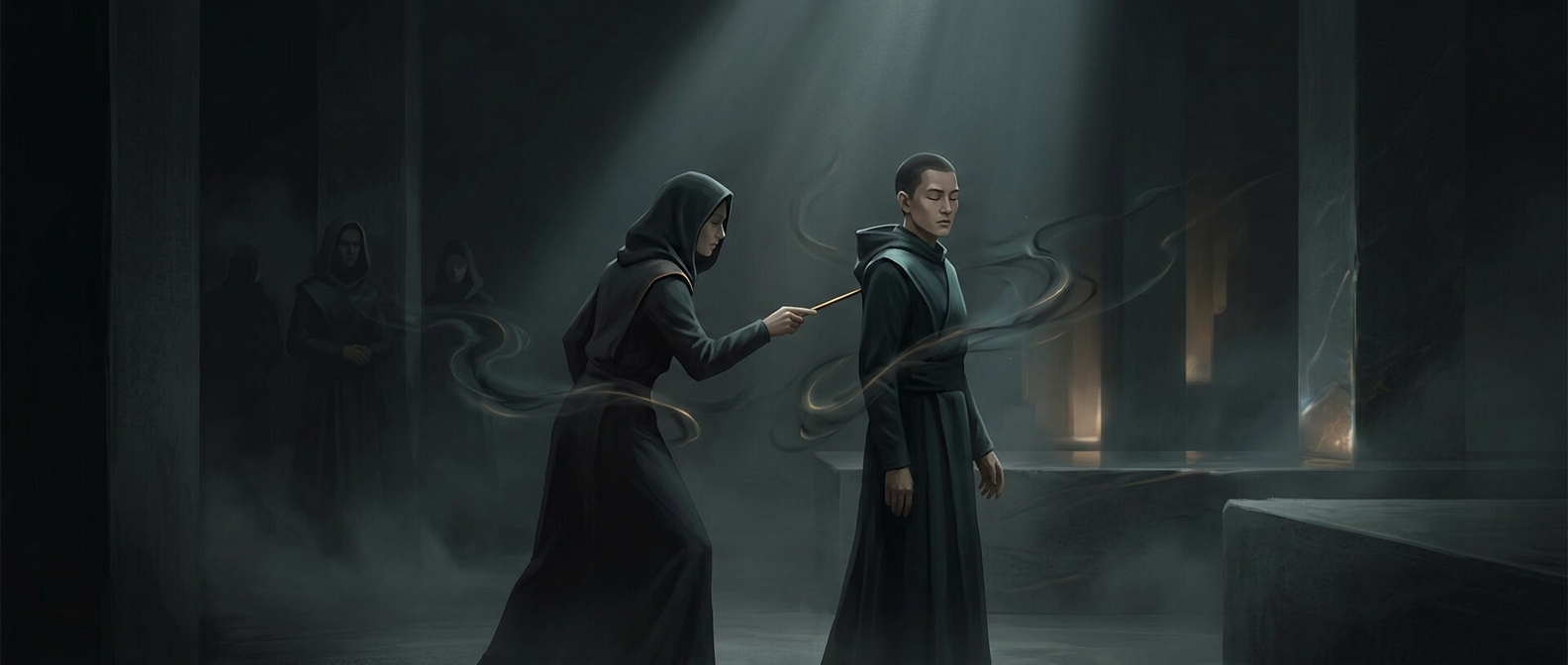
Why Fourth Way students use interpersonal friction
In the Fourth Way, ordinary life is treated as material for inner work. The aim is not simply to behave calmly when circumstances are comfortable, but to notice how attention and reactions shift under pressure. An argument or deliberate annoyance can make those shifts harder to ignore.
The key idea is that many reactions happen automatically: a slight feels like an insult, irritation turns into a sharp reply, and only afterward does a person notice what happened. By creating friction on purpose, students try to catch that sequence while it is unfolding. The jolt is meant to interrupt routine long enough for someone to observe their own anger, defensiveness, or urge to retaliate.
The point is observation, not winning
This practice treats conflict less as a contest to settle and more as a mirror. A student is asked to notice not only what another person said, but also the internal response—what felt threatened, what impulse arose, and whether attention disappeared into the quarrel. That kind of observation is often called self-remembering: trying to remain aware of oneself while engaged in ordinary activity.
The method depends on a boundary. Friction is useful only insofar as it produces awareness; humiliation, coercion, or harm can instead overwhelm attention and damage trust. The intended lesson is not that conflict is inherently enlightening, but that a familiar irritation can reveal how quickly a person slips into automatic behavior. The revealing moment may come before the argument even begins: noticing the urge to answer immediately.