How a match monopoly became a government-finance deal
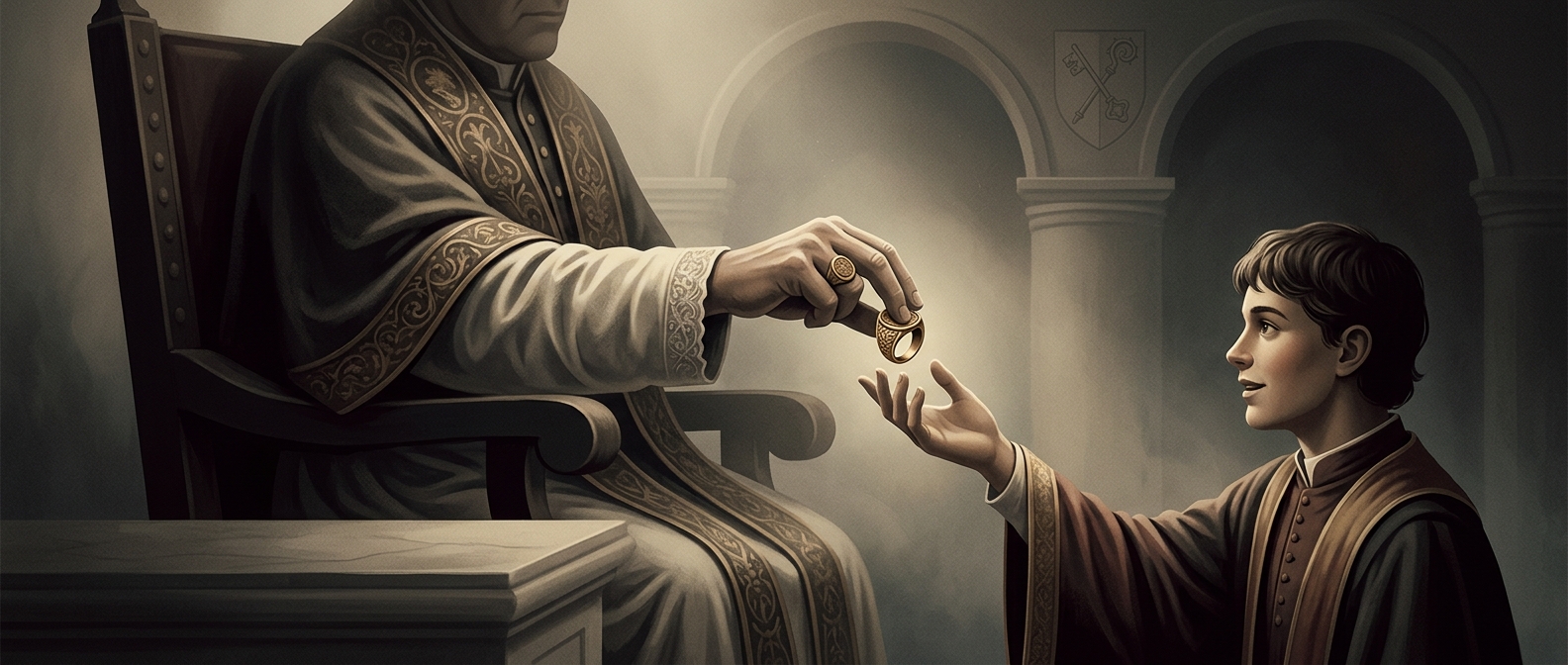
After the First World War, several European governments needed cash but had limited ways to borrow cheaply. Ivar Kreuger offered loans in exchange for exclusive rights to make or sell matches in a country. Those rights were valuable because matches were a routine household purchase: a protected supplier could earn steady revenue from a vast number of small sales, often with little domestic competition.
The bargain linked public finance to an everyday product. Governments received money immediately; Kreuger gained control over a market whose future sales could help support his business and its debts. By assembling such concessions across borders, he built an international match empire rather than relying on one country’s customers.
The weakness behind the apparent strength
The model depended on confidence as much as on match sales. Kreuger’s companies borrowed and invested across a complicated web of businesses, making it difficult for outsiders to see how much the empire truly earned or owed. As long as investors and lenders believed the enterprise was sound, new financing could keep obligations covered while the businesses continued operating.
That confidence failed during the Great Depression, when markets tightened and refinancing became harder. After Kreuger died in 1932, investigators uncovered extensive financial deception in the accounts supporting his empire. The revelation damaged the credit on which the system depended. Match concessions could not make the wider financial structure trustworthy again, and the monopoly network unraveled along with it.
The episode shows the risk in exchanging a long-term public privilege for an immediate loan: a government may get urgent funds, but the deal can leave a basic consumer market tied to the fortunes—and the bookkeeping—of one private financier.