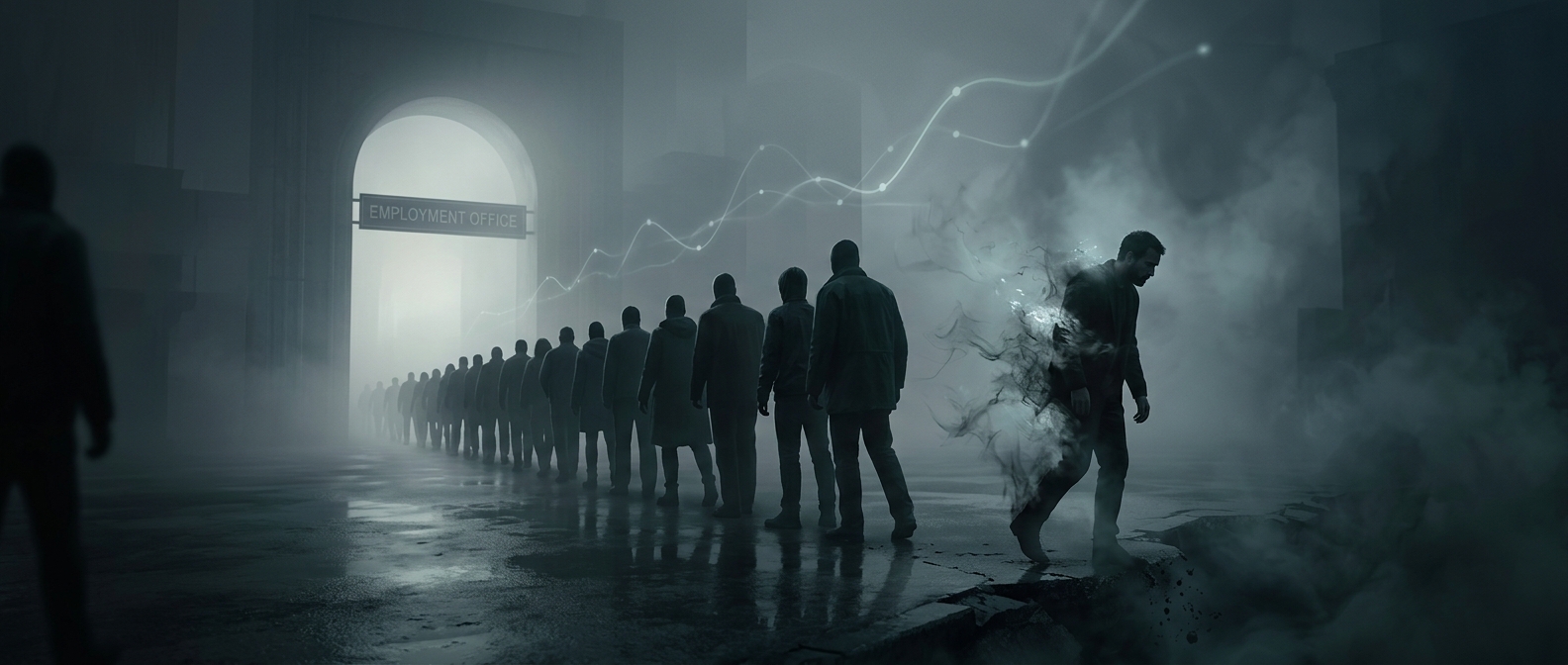
Why job losses cluster
Unemployment often rises in waves because employers are reacting to the same forces. When customers suddenly spend less, many businesses see orders fall at once. They may cut shifts, pause hiring, or lay off workers to reduce costs. A factory closure can also affect suppliers and nearby shops, spreading the shock beyond the original workplace.
That creates a feedback loop: people who lose pay cut back on spending, which can weaken demand for other businesses. A shock such as a pandemic can accelerate the process by interrupting work across whole industries at the same time.
Why hiring returns in bursts
Hiring tends to move together, too. When sales recover or restrictions ease, companies that delayed expansion may start recruiting at once. A new technology or a shift in what customers want can create fresh demand for particular kinds of work, drawing investment and hiring toward those fields.
But employers rarely rebuild their workforces the instant conditions improve. They may wait to see whether demand will last, and reopening or expanding takes time. As a result, a downturn and its recovery can arrive in distinct surges rather than as a smooth change.
The wave does not reach everyone equally
A job opening is not automatically a match for someone who has lost work. The new role may be in a different region, require different skills, or pay differently. Economists call this mismatch: available workers and available jobs do not line up neatly, even when hiring is picking up.
So a headline showing a recovery can coexist with hardship for people whose former industries have not returned. The wave may turn, but finding a place in the next one can take longer than the rebound in hiring itself.