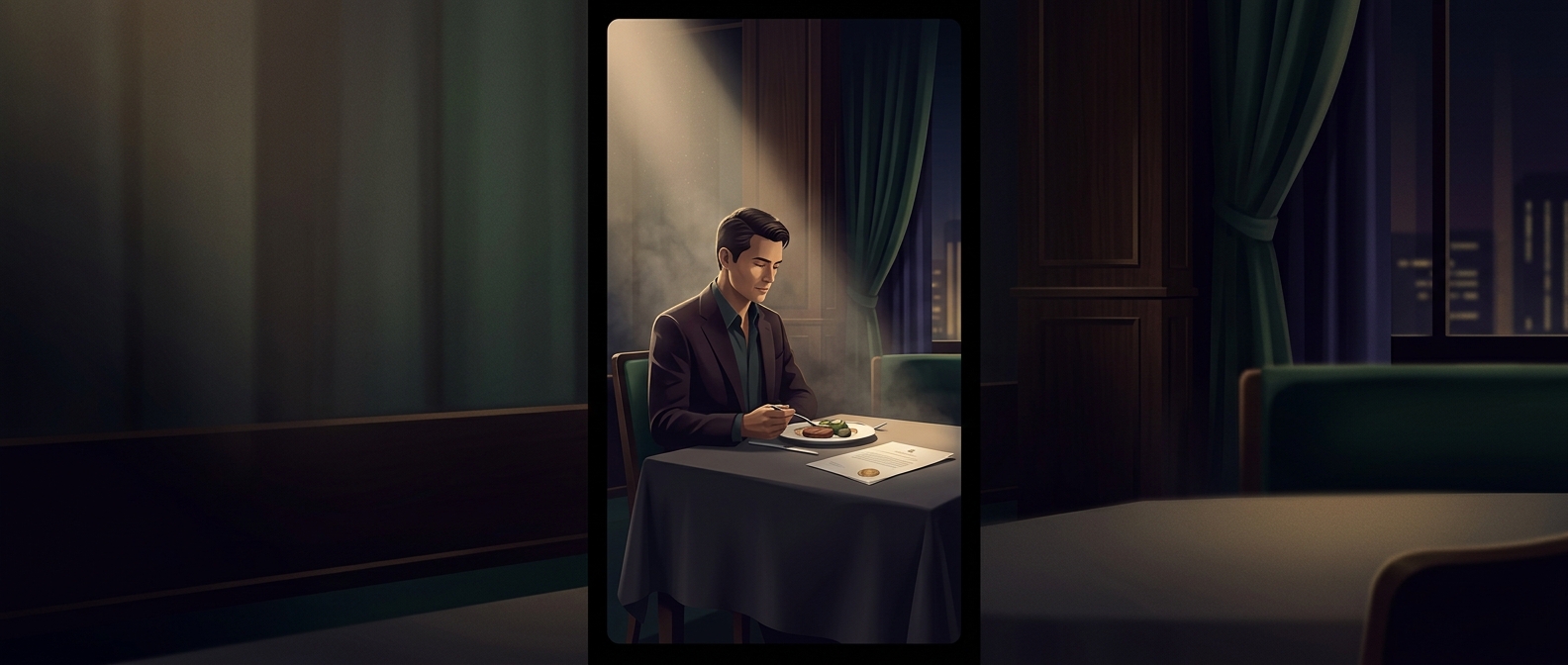
A Paid Pause for Emotion
The service turns crying into a small, guided appointment. Instead of asking a stressed worker to explain everything they feel, a hired companion supplies a prompt: a sad video. The worker can respond privately, while someone remains present and offers practical care afterward. The point is not to make the worker perform a particular emotion; it is to make tears easier to begin when they do not come on demand.
The Work Is More Than Wiping Tears
This is a form of emotional labor—paid work that involves managing the emotional atmosphere of an encounter. The companion must provide a setting that feels attentive rather than judgmental, then handle a vulnerable moment without turning it into a spectacle. Even the cleanup matters: wiping someone’s tears makes care tangible at the exact moment they may feel exposed.
For the customer, the arrangement separates the act of crying from the obligations of a personal relationship. A coworker or family member might ask questions or expect reassurance; a paid companion’s defined role is simply to stay and help. That boundary can make the moment feel easier to enter. The unusual detail is also the service’s clearest business logic: it sells not sadness, but a brief, structured space in which a person can let go of it.