A prophecy acted out in the streets
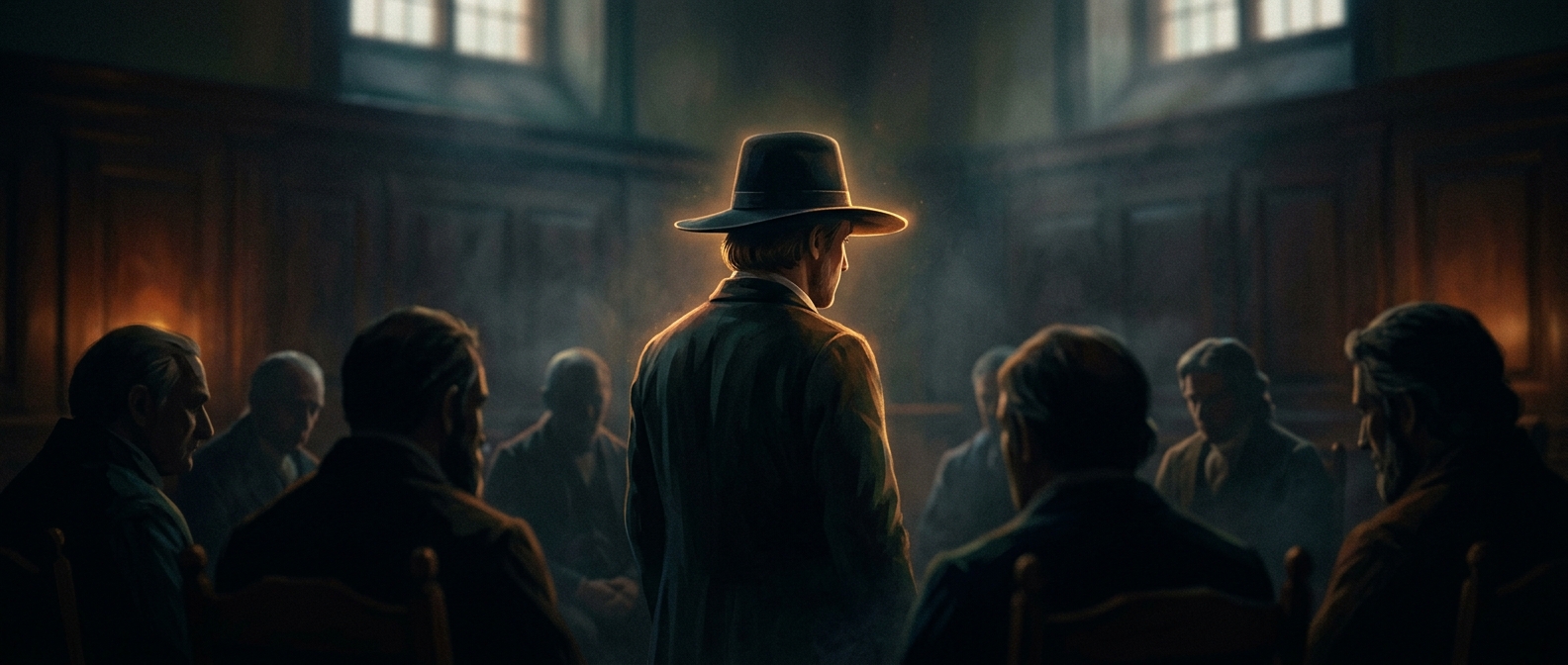
In 1651, George Fox said he felt commanded to go to Lichfield, in the English Midlands. He took off his shoes and walked through the town crying, “Woe to the bloody city of Lichfield!” The act was not a protest against a specific event he had witnessed. Fox understood it as a prophetic sign: a public performance meant to deliver a warning he believed came from God.
That kind of action had deep roots in biblical stories, where prophets sometimes used startling gestures as well as words to make a divine message impossible to ignore. Fox’s bare feet and cries turned an inward conviction into a scene townspeople could see and hear. The word “bloody” made the warning vivid, though Fox’s account does not point to a contemporary massacre in Lichfield as its cause.
The inner command behind the spectacle
Fox was a religious dissenter in a period when English Christianity was divided and institutions were being challenged. He believed that people could receive guidance directly from God, rather than relying only on church authorities or formal religious ceremonies. This conviction became central to Quakerism, whose members came to be known as the Religious Society of Friends.
The Lichfield episode shows how demanding that belief could be for Fox: inner guidance was not merely a private feeling if he thought it required action. His behavior also helps explain why early Quakers could appear disruptive to observers. Their public preaching and refusal to conform were expressions of religious conviction, not simply attempts to shock.
Fox later recorded the episode in his spiritual account of his life. It remains striking because it captures, in one brief scene, the defining tension of his faith: a message he experienced inwardly became a spectacle in the town square.