Bastiat’s joke turns protectionism inside out
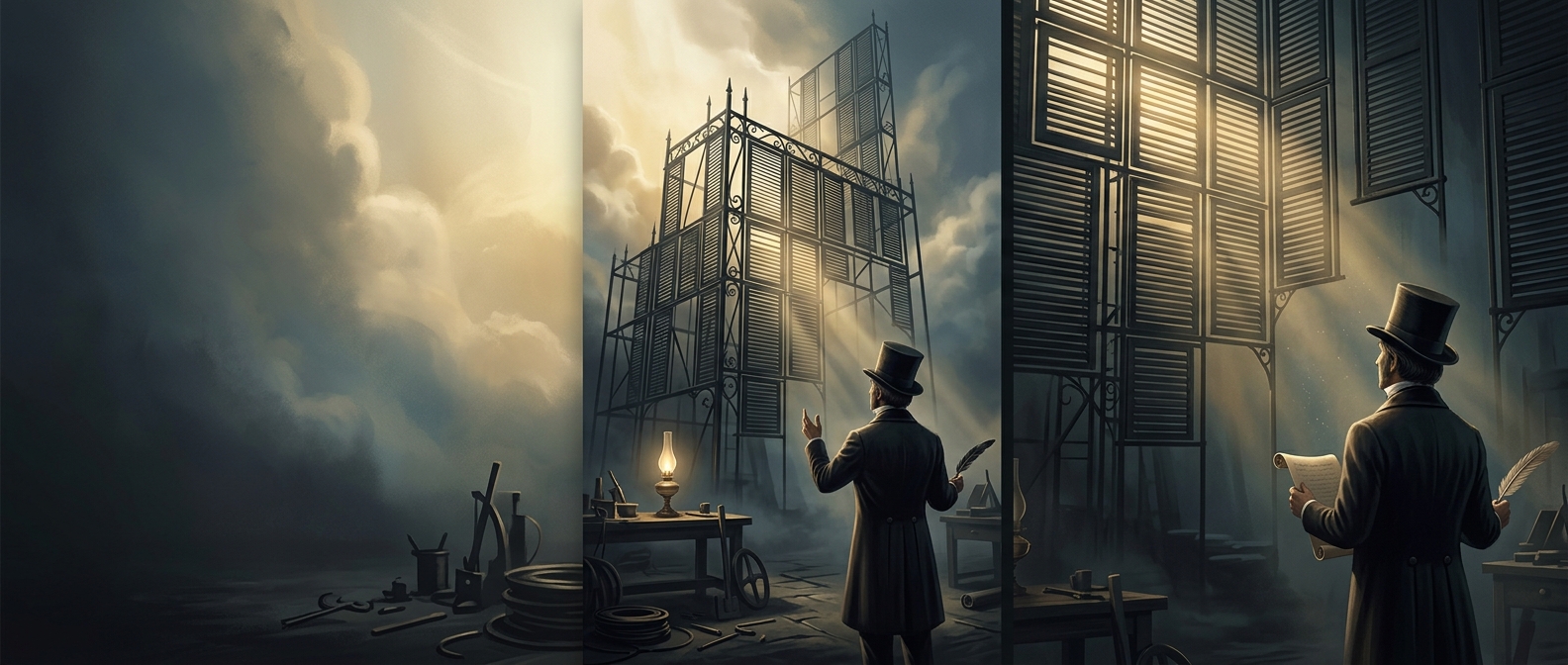
In 1845, French economist Frédéric Bastiat wrote a mock petition in the voice of candle makers asking lawmakers to suppress their rival: the sun. Its outrageous demand was the point. By giving a special-interest argument its most literal possible form, Bastiat made its hidden logic hard to miss: if a competitor hurts one industry, government should make that competitor less available.
The petition mimics the language of commercial lobbying. Candle makers present the sunlight they lose as a public problem, then propose a rule that would force people to buy more artificial light. The reasoning sounds plausible only if the goal is to protect candle sales—not to make life better for the people paying for light.
Sales for one trade are not the same as prosperity
The economic mistake is to count the extra candle purchases while ignoring what households must give up to make them. Money spent on candles cannot also be spent on other goods. And blocking daylight imposes a real cost: people lose a free source of illumination so that sellers can charge them for a substitute.
That is the difference between helping a particular producer and increasing overall prosperity. A protected business may gain customers, but the benefit is funded by everyone who pays more, loses a useful option, or has less money left for something else. The petition’s absurdity makes that tradeoff visible: a policy can create business for one group while making the public poorer.
Bastiat used the imaginary candle makers to expose a broader protectionist habit—treating competition as damage simply because it reduces sales. His punchline is memorable because the proposed remedy makes the cost impossible to overlook: to rescue the candle trade, lawmakers would have to make daylight itself harder to use.