How a burr turns a passing animal into transport
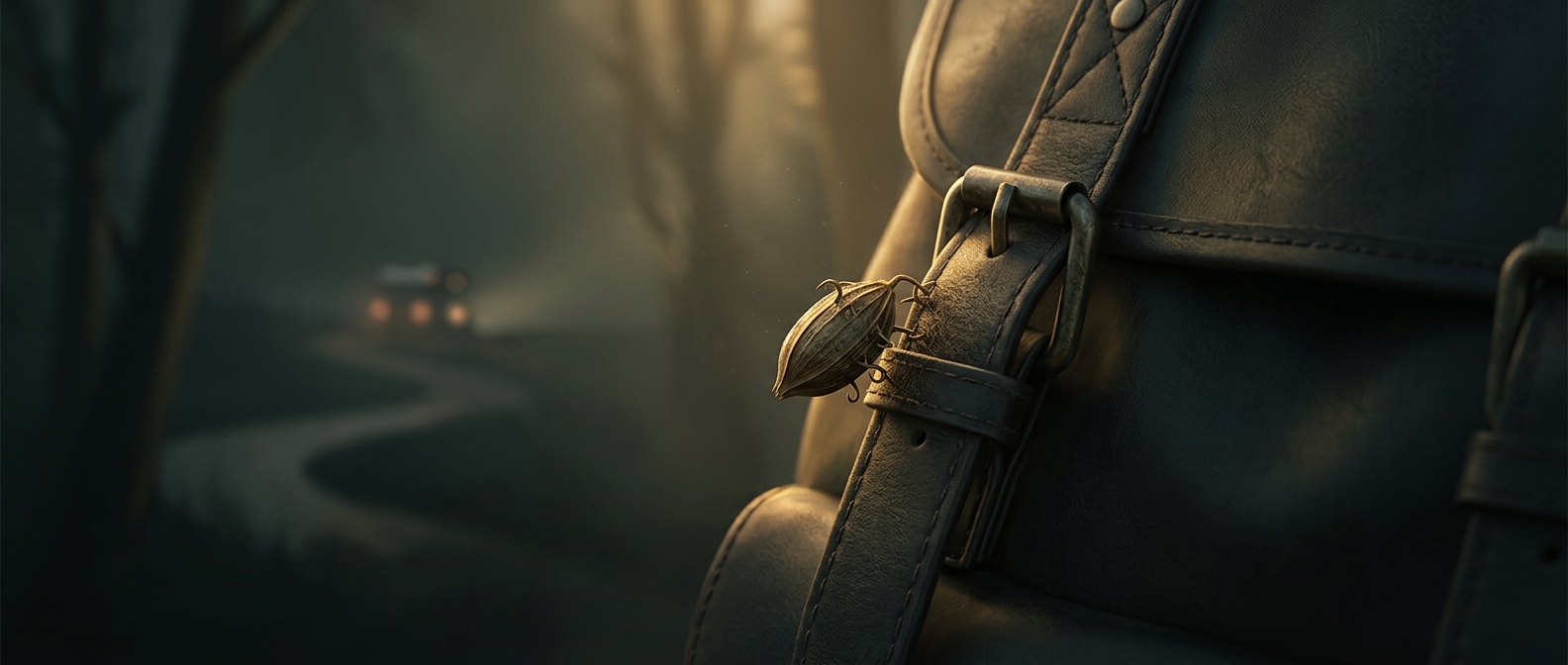
A hooked seed does not need to persuade an animal to eat it or deliberately carry it. Instead, its outer surface catches on fur, feathers, or fabric as the animal brushes past. The seed travels while its tiny hooks hold fast, then eventually comes loose—often some distance from the plant that produced it.
That trip can help seedlings avoid growing in the same crowded patch as their parent. Moving away may also carry seeds into new places, where a plant can spread if the conditions are suitable. The carrier gets no obvious benefit; the burr simply takes advantage of ordinary movement.
The hook is a small engineering tradeoff
The hooks must catch well enough to survive a journey, but not so firmly that the seed can never detach. Their shape and arrangement help them snag on passing surfaces, while rubbing, grooming, or contact with vegetation can eventually dislodge them. Different animals and materials provide different kinds of rides: coarse fur may hold a burr differently from smooth clothing.
Human travel extends the same mechanism. A burr can latch onto a sock or trouser leg and be carried along a trail, across a field, or into a garden. The plant has no control over where the seed lands, but a hook that survives long enough to leave the parent plant can turn a passing step into a chance to grow somewhere new.