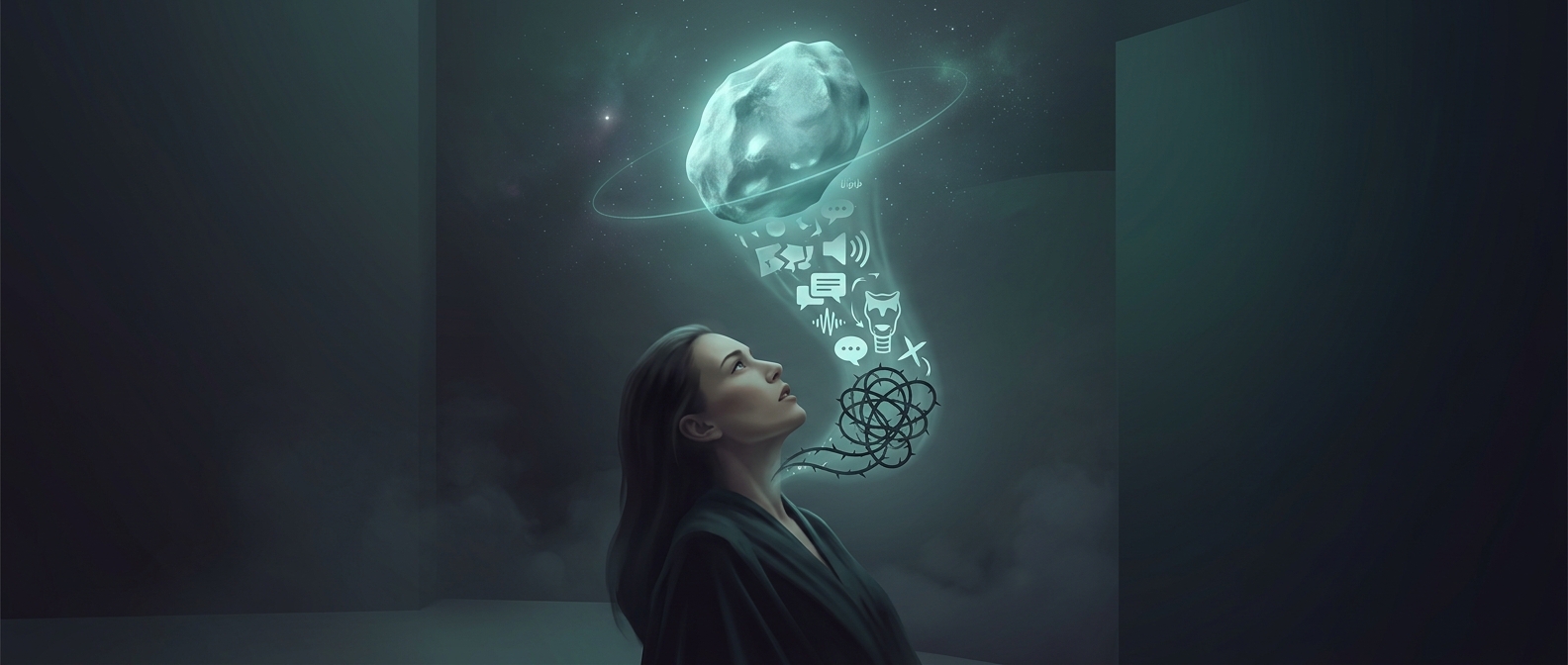
Pandora’s curiosity—and the tap that gives it away
Pandora’s name carries a familiar warning: opening something out of curiosity can set events in motion that are hard to undo. In the myth, she opens a forbidden container and releases troubles into the world. The modern version is much smaller, but the social awkwardness can feel immediate: browsing an ex’s old photos and accidentally liking one.
How a quiet browse becomes a visible signal
Social apps make it easy to react while scrolling. A quick tap can register a like, and on many platforms that reaction may be visible to the account owner or trigger a notification. If the photo is years old, the like can suggest that someone has been looking far back through the profile—even when it happened by mistake.
That is the trap: the action is tiny, but its context gives it meaning. The person who tapped may see only a stray thumb movement; the recipient may read it as deliberate attention. Neither interpretation is guaranteed, which is why the moment can feel more consequential than the gesture itself.
A small modern Pandora’s box
The analogy is not that curiosity is always dangerous. It is that online interfaces can turn private browsing into an outward signal with almost no pause between intention and action. One old photo, one accidental tap, and a quiet visit becomes something the other person might notice.