When a Costume Becomes a Shortcut to Belonging
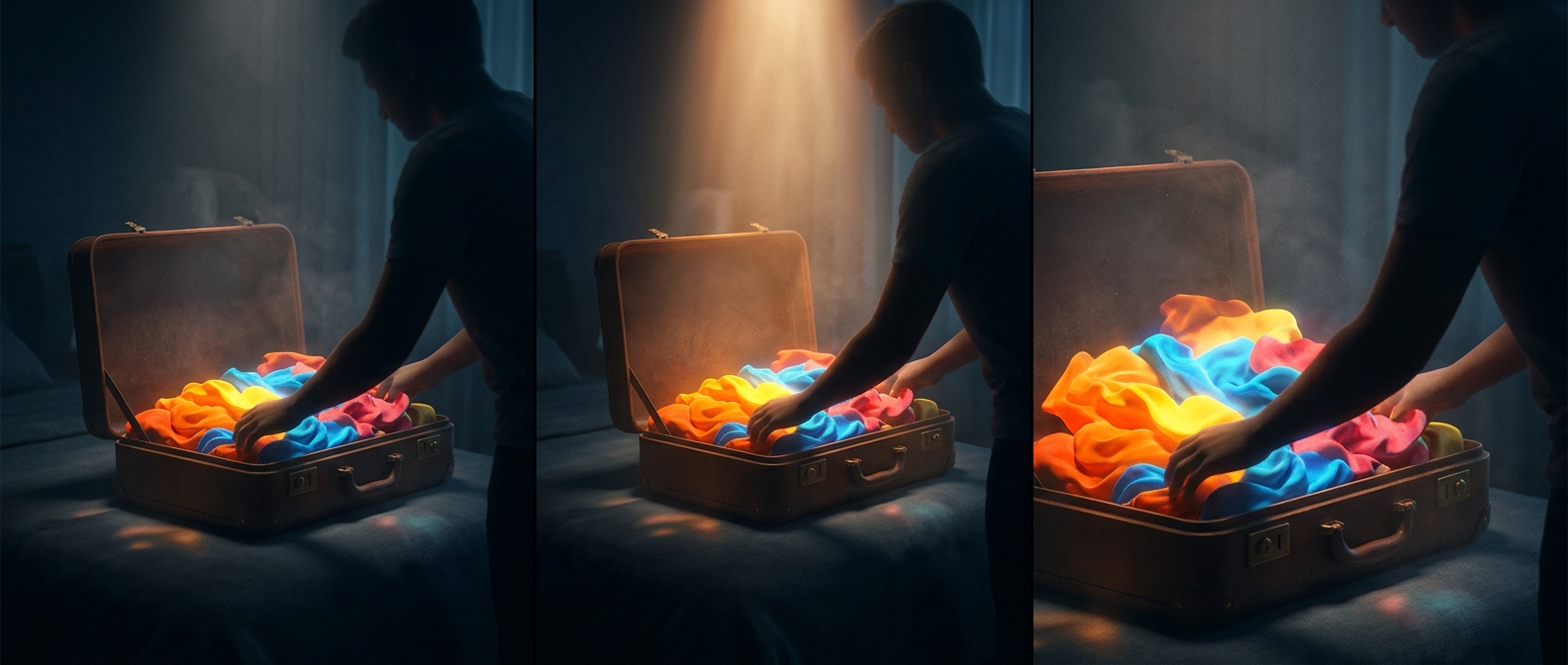
A tourist trying to look local faces a basic problem: regional identity is rarely something a visitor can learn from one outfit. Everyday clothing changes with weather, work, age, and personal taste. But from the outside, a few recognizable cues—such as a particular hat, pattern, or accessory—can seem to stand for an entire place. Exaggerating those cues turns a complicated identity into a costume that other people can recognize at a glance.
The Joke Is Part of the Disguise
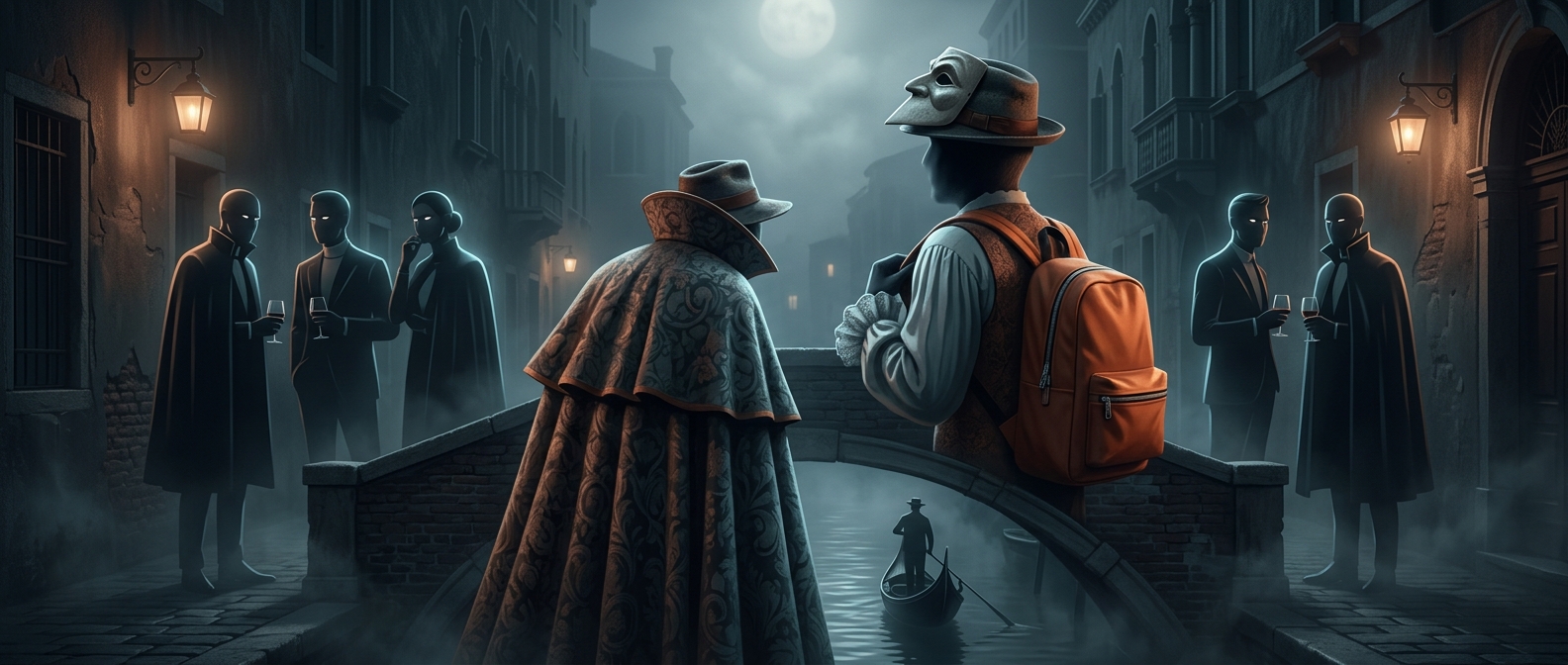
The outfit often works less as a convincing disguise than as a playful announcement: I know I’m a visitor, and I’m joining in. By making the imitation conspicuously over-the-top, a traveler can show familiarity with a local image while softening the awkwardness of being an outsider. It invites a response—laughter, conversation, or a shared photo—rather than asking anyone to believe the wearer truly belongs.
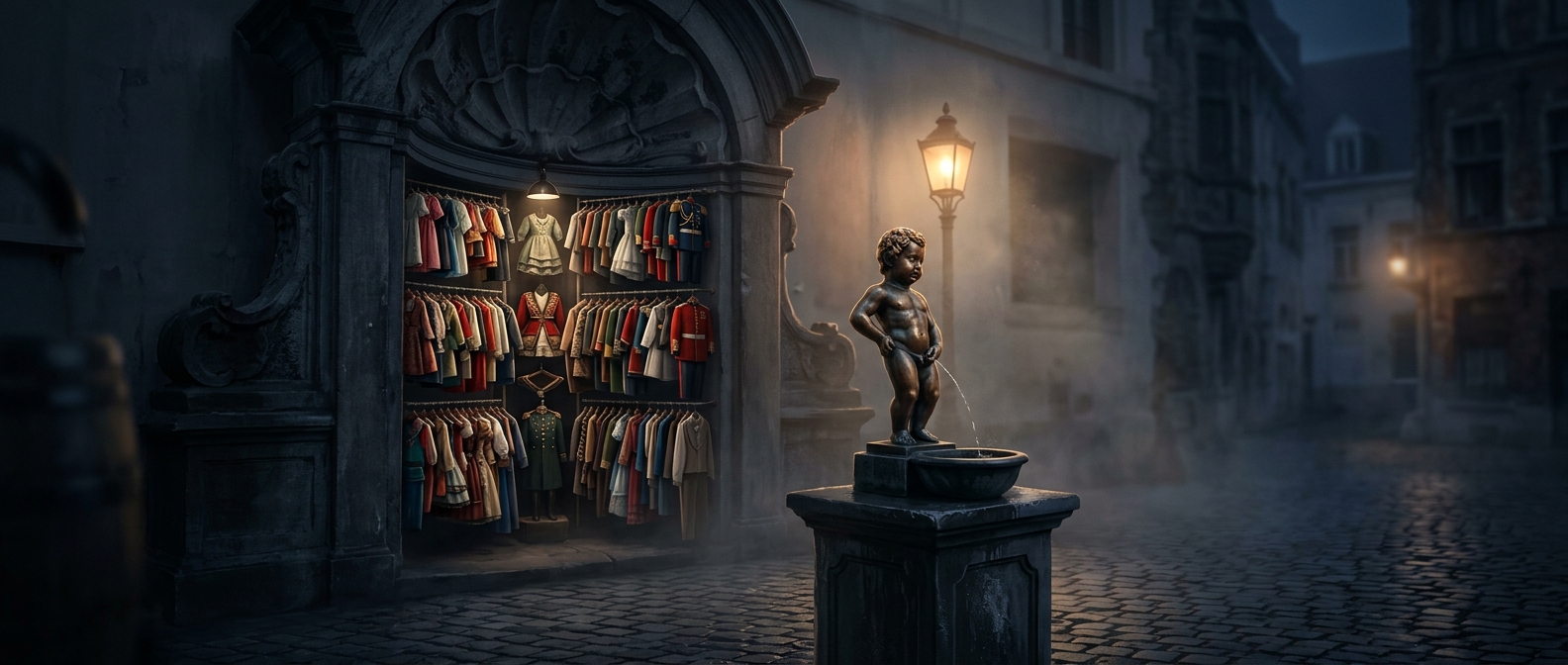
That distinction matters. A costume may draw on an image promoted for visitors, not on what residents ordinarily wear. The traveler is performing an idea of local identity, and locals may find that idea charming, tired, or inaccurate. The same outfit can feel like friendly participation in one setting and caricature in another, especially when it reduces a living culture to a single visual gag.
A Visible Invitation, Not Proof of Blending In
Exaggeration can make the attempt easier to read: the visitor’s intent is obvious, even when the clothing is not authentic everyday dress. But it cannot guarantee acceptance or erase the difference between visitor and resident. Its success depends less on how accurately the costume copies a stereotype than on whether the people around the wearer welcome the joke.
That is why the most memorable “local” tourist outfit may reveal more about how a place is marketed—and how visitors want to connect with it—than about what people there actually wear.