Why a Border Phone Check Is Different
A border inspection is about deciding what may enter a country—and, for visitors, whether the traveler may enter at all. In many places, officers have broader authority at the border to inspect belongings than police would have during an ordinary investigation inside the country. A phone can therefore be treated as part of the traveler’s luggage, even though it contains far more personal information than a suitcase.
That authority is not identical everywhere. Countries set their own rules for when officers may examine a device, whether they can require a passcode, and what happens if a traveler declines. The distinction matters: a right that applies during a domestic police search may not provide the same protection at an international checkpoint.
How Refusal Can Affect the Decision
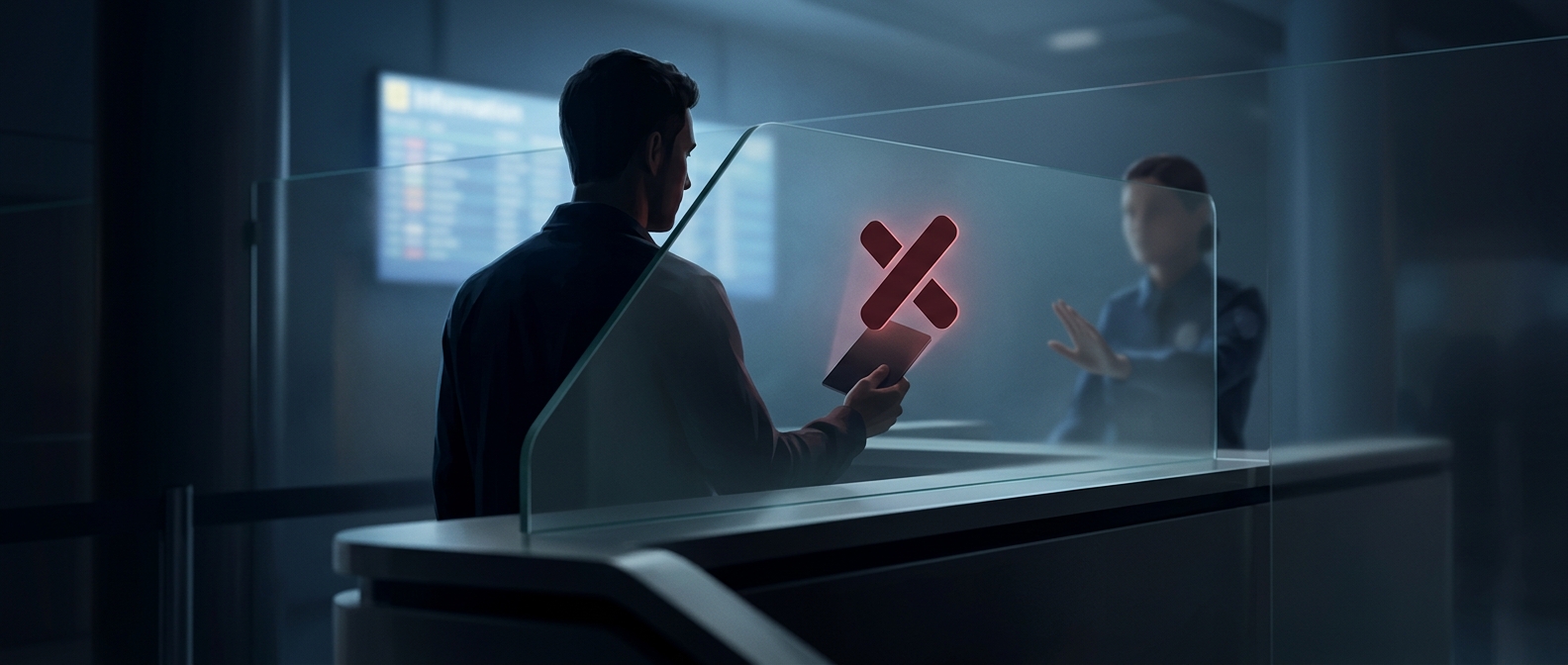
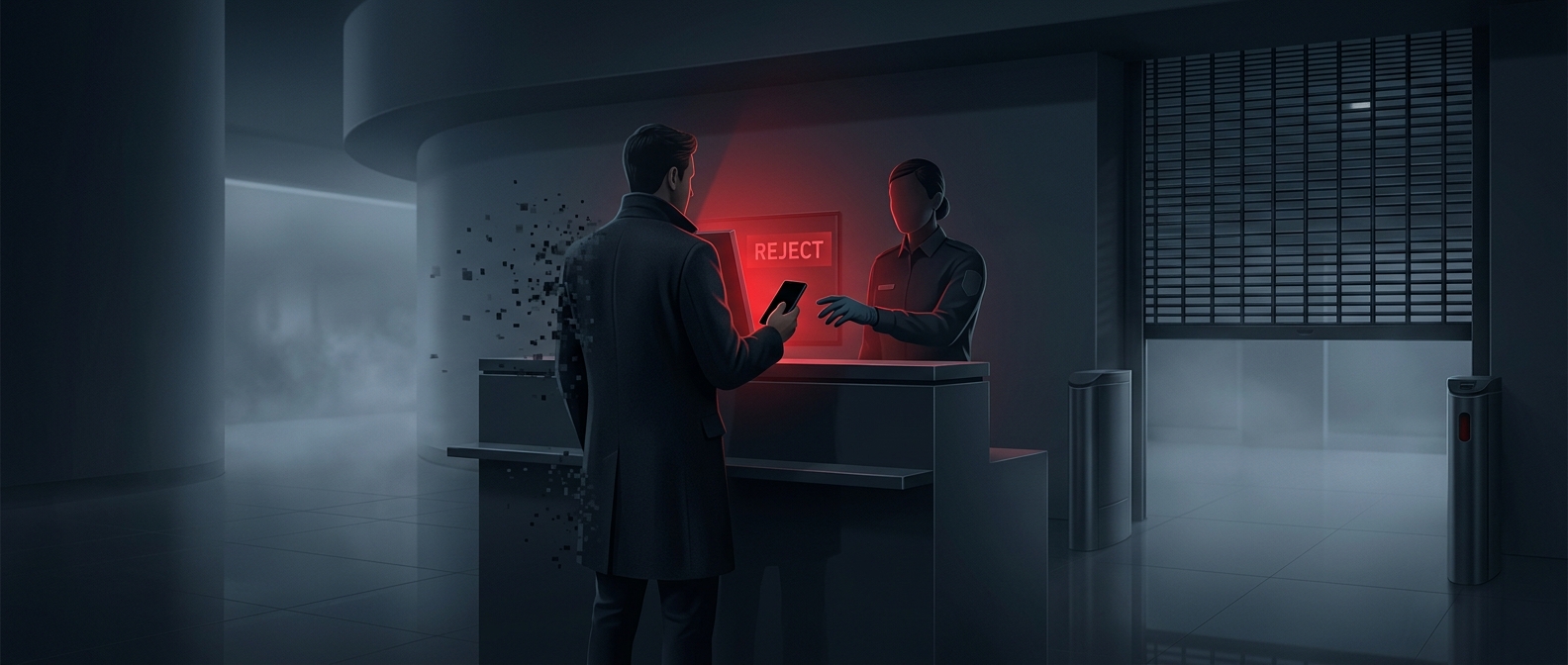
An officer may view refusal as a reason to continue questioning or send someone for a more extensive inspection. In some jurisdictions, refusing access can also affect an official decision about whether a noncitizen meets the requirements to enter. The consequence may be denial of entry or, depending on the circumstances, removal—not because every border officer can automatically compel every search, but because entry is a decision governed by the destination country’s laws.
A citizen returning to their own country may be in a different legal position from a visitor seeking permission to enter. Rules and outcomes vary, so a phone-search policy from one country should not be assumed to apply at another border.
The Practical Tradeoff
A device search can expose messages, photos, contacts, and other material that has nothing to do with travel. But declining may prolong an inspection or put a visitor’s entry at risk. Travelers concerned about sensitive information can check the destination’s current official guidance before departure and consider what data they genuinely need to carry.
At the checkpoint, the phone is not just a communication tool: it may become part of the decision about the traveler standing beside it.