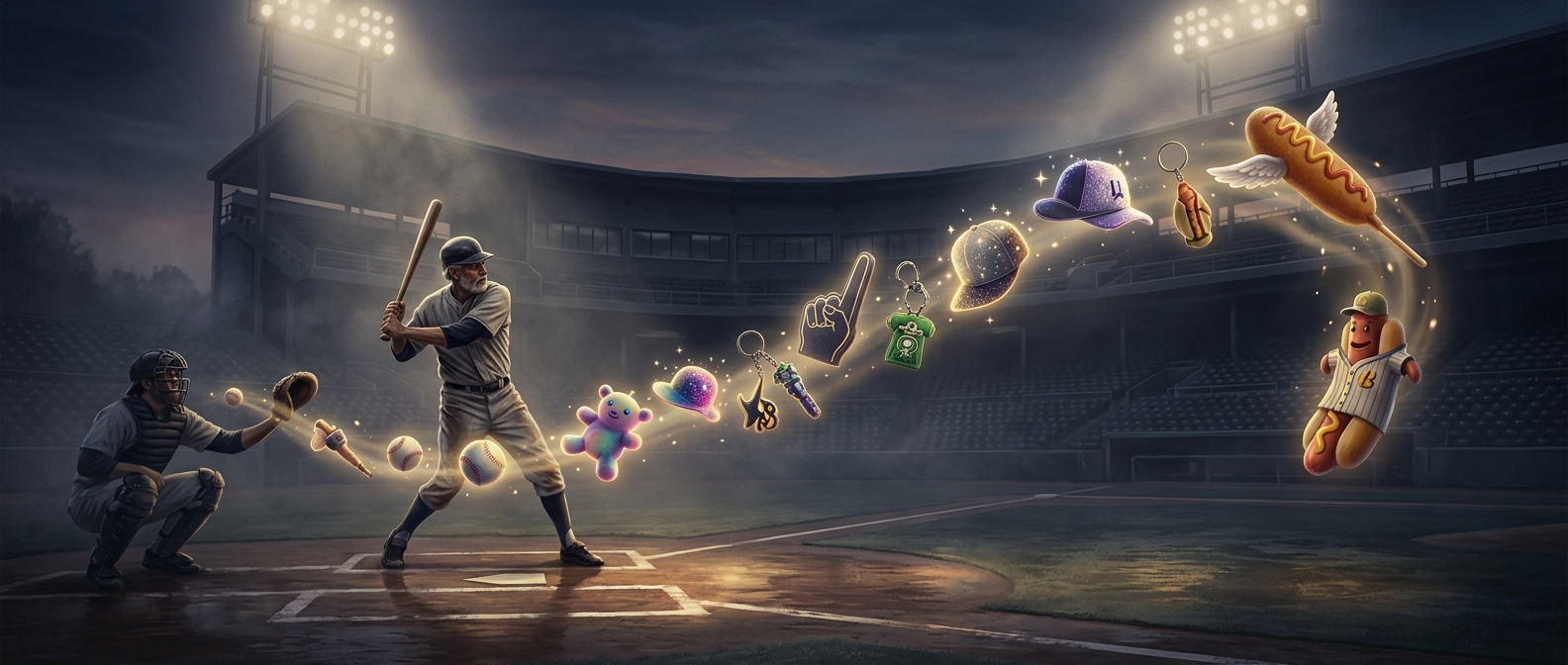
A Mascot Turns a Game Into a Local Attraction
A minor-league team competes for an evening out, not just for attention from baseball fans. A deliberately odd mascot—a biscuit with arms, say—gives the team a story people can recognize and repeat. That makes the club easier to notice in a crowded market for entertainment, where a major-league roster or national following may be out of reach.
The character also gives families and casual visitors something to enjoy between innings. A child may come for the mascot’s antics; a group may choose the game because it promises a fun, inexpensive outing. The team is selling an experience around the sport, not only the action on the field.
From Attention to Repeat Revenue
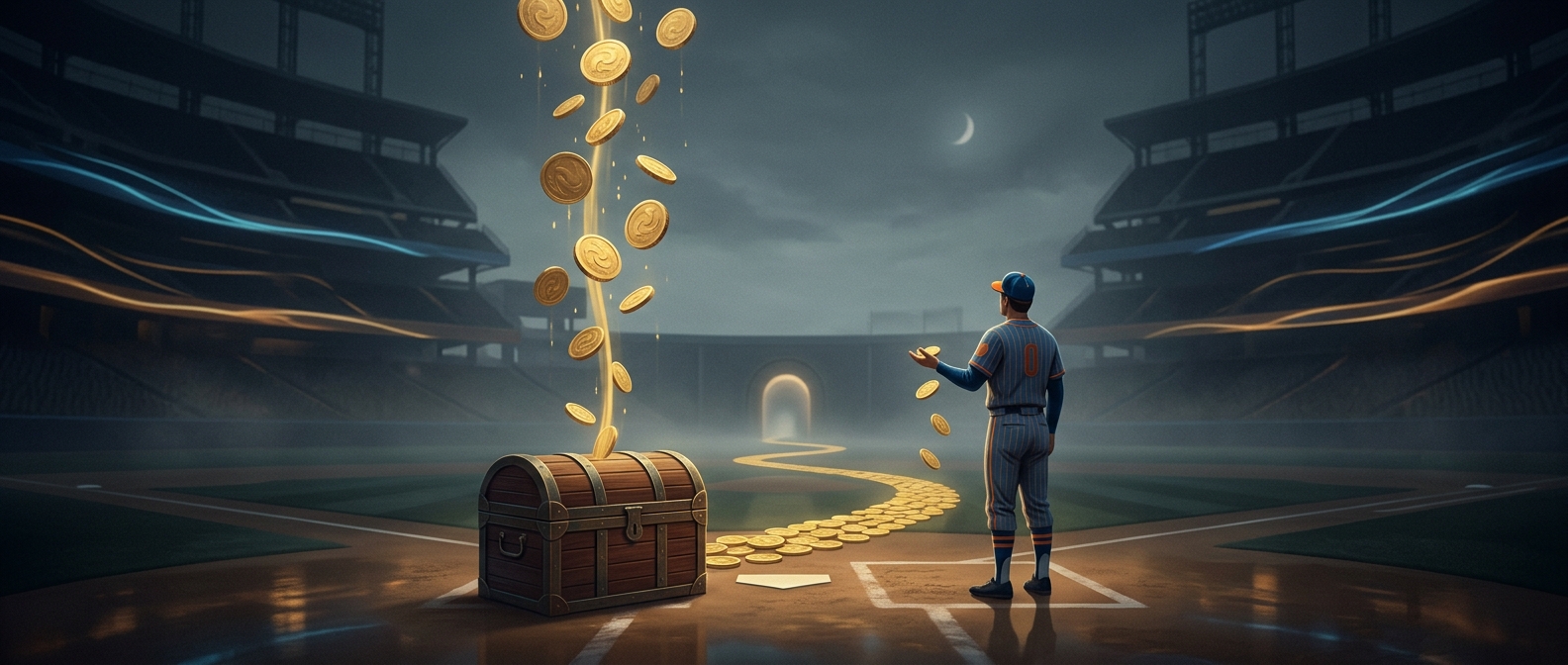
Once a mascot becomes familiar, it can travel beyond the ballpark. Put it on a cap, shirt, or novelty item, and fans can take home a piece of the team’s identity. Merchandise can bring in additional sales while also advertising the club when someone wears it around town. The character can appear in promotions and community events, giving the team more ways to stay visible between games.
The economics are not magic: merchandise has production costs, and a silly design does not guarantee a crowd. But a distinctive character is a reusable asset. Rather than relying only on wins—which a team cannot control—it helps create reasons to attend, return, and buy something. That is why an absurd mascot can be more than a joke: it can become the face of a local business.