How a free performance starts to feel like a transaction
Street performances often begin without a clear price. That ambiguity helps people stop and watch: there is no ticket booth, posted fee, or moment when each person formally agrees to pay. But it also means the audience has to infer what the performer expects.
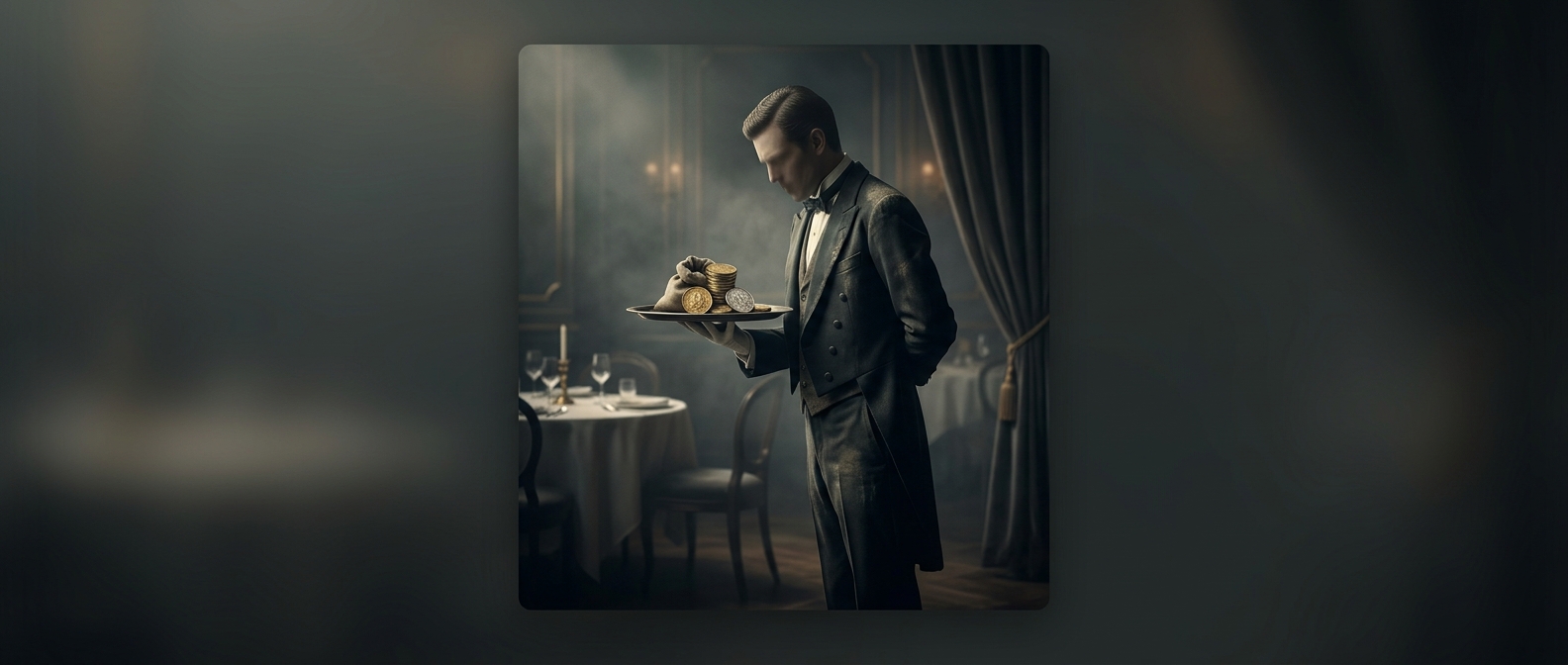
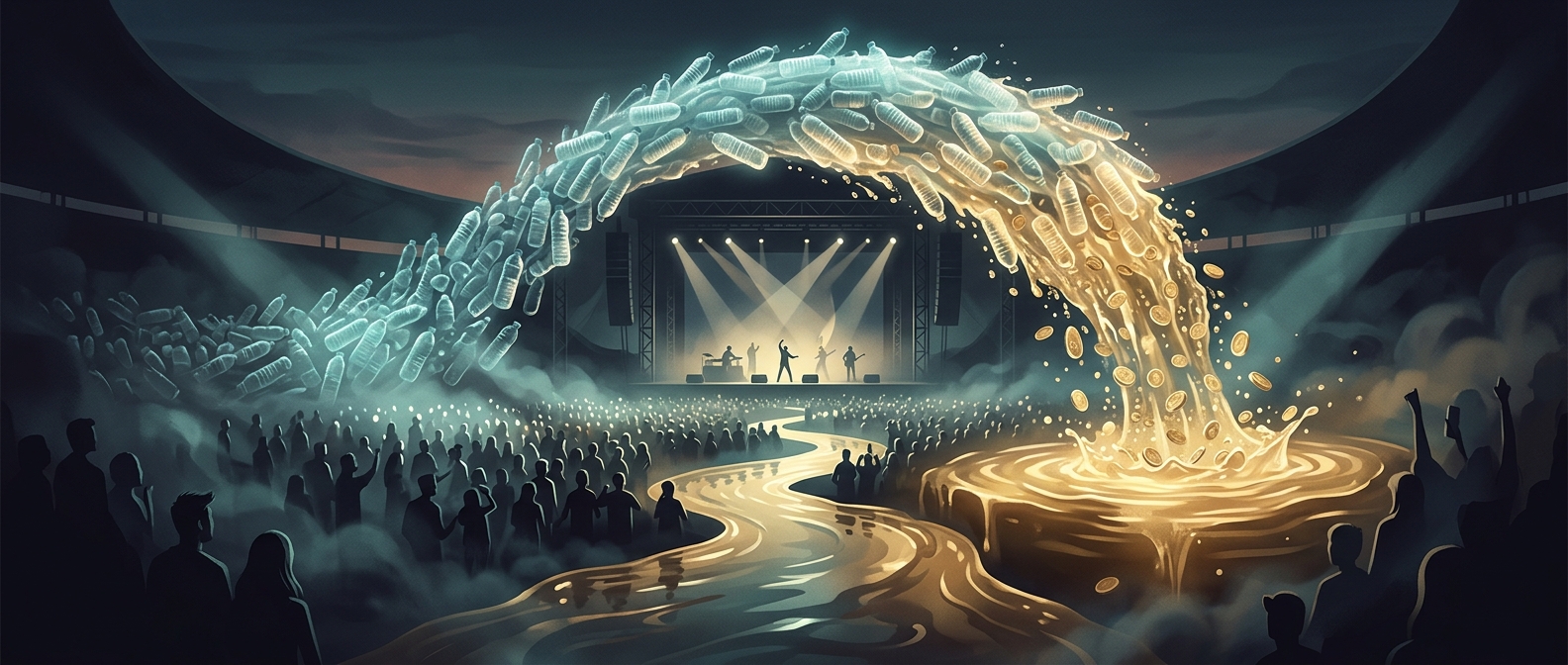
As the set continues, attention itself can begin to feel like participation in an exchange. The performer supplies a show; spectators give time, focus, and a crowd. When a tip request arrives at the end, it can recast that shared moment as something closer to a purchase—even though no price was agreed on beforehand.
Why leaving feels socially costly
The awkwardness is less about the amount of money than about being seen refusing. In a crowd, people can notice who contributes and who walks away. A person may worry that leaving looks ungrateful, especially after enjoying the show. That pressure is stronger when the request comes only after the performance, because the audience has already invested time and attention and may feel obliged to respond politely.
This is a social expectation, not a binding agreement. A tip is voluntary, and watching a public performance does not by itself mean someone accepted a required fee. Still, the performer’s timing can shape how the choice feels: the request arrives at the moment when leaving is most visible and declining requires an action.
The design of the moment
That timing also makes practical sense for a performer. Asking at the end avoids interrupting the act, while a gathered crowd gives people a chance to contribute. The tradeoff is that spectators may feel they were given the terms only after they had stayed.
A simple way to avoid the pressure is to decide in advance whether you want to tip, rather than letting the crowd’s attention make the decision for you. The key distinction is between appreciating a show and having agreed to pay for it.