A year of visible transition
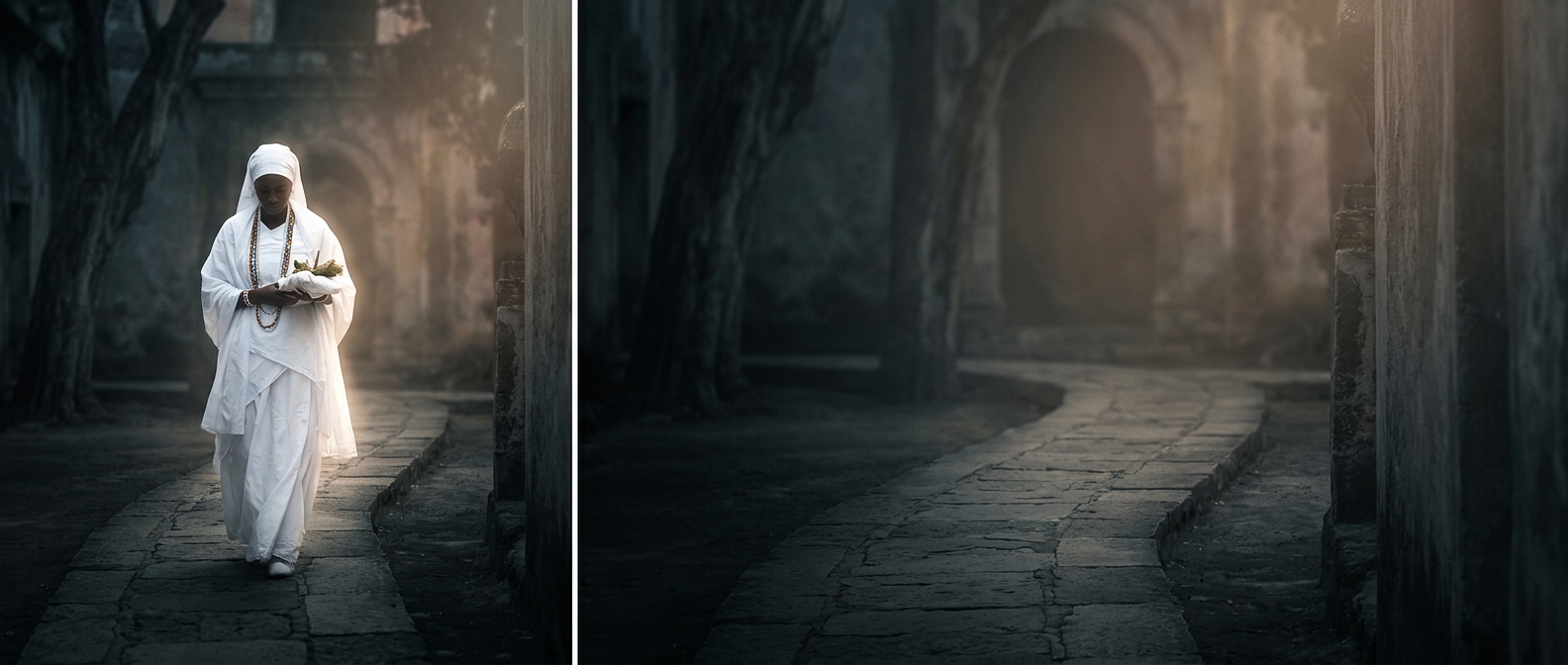
In Santería, also known as Regla de Ocha, a newly initiated person may observe a year-long period called iyaworaje. During it, the initiate—an iyawó—wears white as part of a broader set of religious practices and obligations. The clothing makes a private spiritual transition visible in everyday life: the person is recognized as new to the tradition and still learning its responsibilities.
White carries meanings such as cleanliness, humility, and renewal. In this setting, wearing it is not merely a symbolic gesture. Choosing and maintaining the required clothes, and dressing according to the community’s expectations, makes the commitment part of ordinary routines at home, work, and in public.
Practice is shaped by community
Santería is a living religion with different lineages and local customs, so the details of the year can vary. An initiate’s godparent and religious community guide what to wear and how to observe the period. White garments are the most recognizable feature, but they sit within a larger process of instruction, ritual observance, and adjustment to life after initiation.
That context matters when the clothing is seen outside the religious community. It is not a fashion trend or a general costume; it identifies someone observing a specific stage of religious life. For the initiate, the year turns a spiritual commitment into a daily practice—one that others may recognize before they know anything else about the person.