A Disc Is No Longer Always the Whole Game
A physical game disc can contain the files needed to install and play, but it does not guarantee that every part of a modern release is on the disc. Large games may exceed the space available on a disc, or publishers may ship only a portion of the game there and deliver the rest over the internet. In those cases, the disc may serve partly as an installer and partly as proof that the player owns the game.
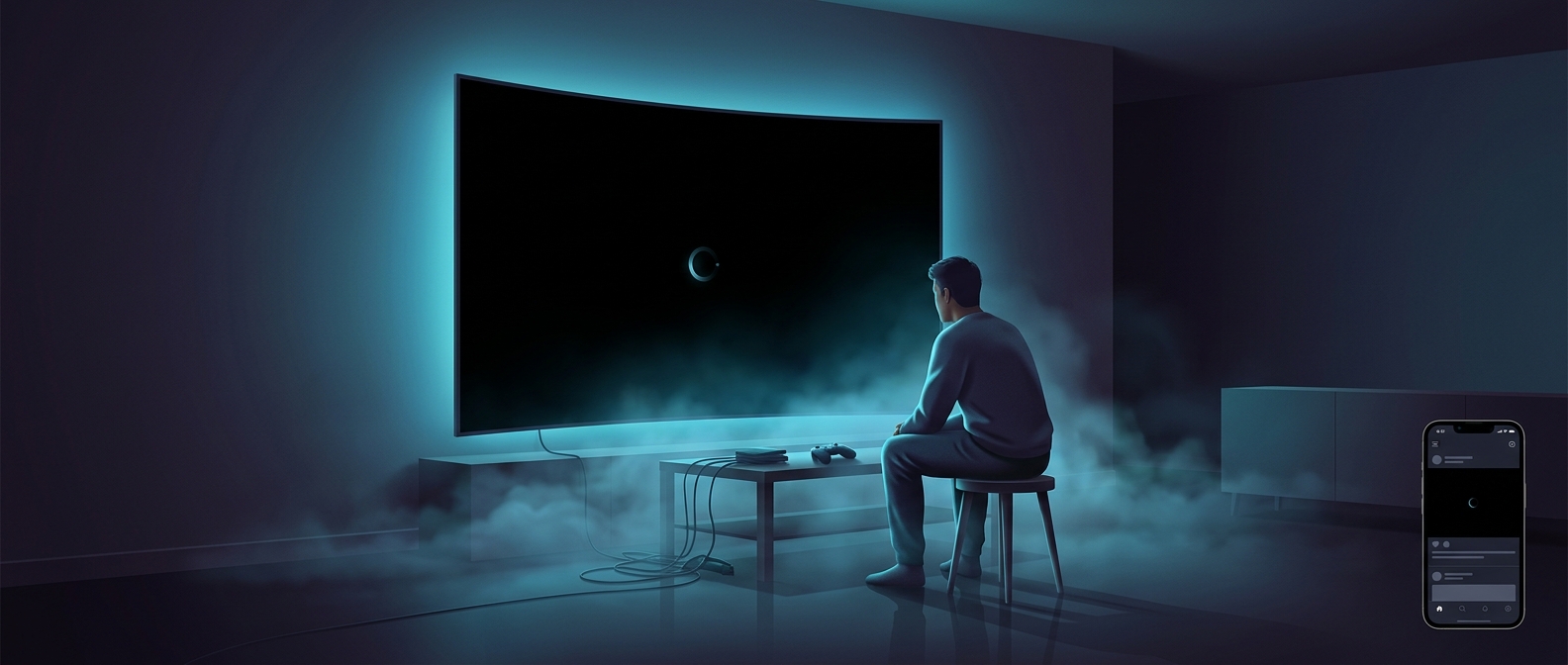
That is why a console can recognize the disc yet still refuse to launch the game: it is waiting for required files to arrive and be installed. A roughly 50-gigabyte download can take hours on a slow connection, even though the purchase came in a box.
Why Put So Much Online?
Digital delivery gives publishers a way to distribute files too large—or too frequently updated—to fit neatly into a fixed physical release. A game may also need a substantial update after its discs are manufactured, correcting problems or bringing the installed version closer to the one the developers intend players to use. Some titles can start from the disc and download updates later; others require a large download before play. The exact arrangement varies by game and platform.
For publishers, discs remain useful as a retail product and a way to sell games in stores, while online delivery avoids making and shipping a new disc for every late change. The tradeoff falls partly on buyers: the box offers ownership of a physical copy, but not necessarily an offline, ready-to-play one.
What the Disc Still Provides
Depending on the title, a disc may hold most of the game, some of it, or mainly the data needed to verify the purchase. It can still make reinstalling easier if the console can copy files from it, but a required download may remain unavoidable. The practical question is not just whether a game comes on disc, but how much of the playable game is actually stored there.