Why Letting Shoppers Touch the Merchandise Paid Off
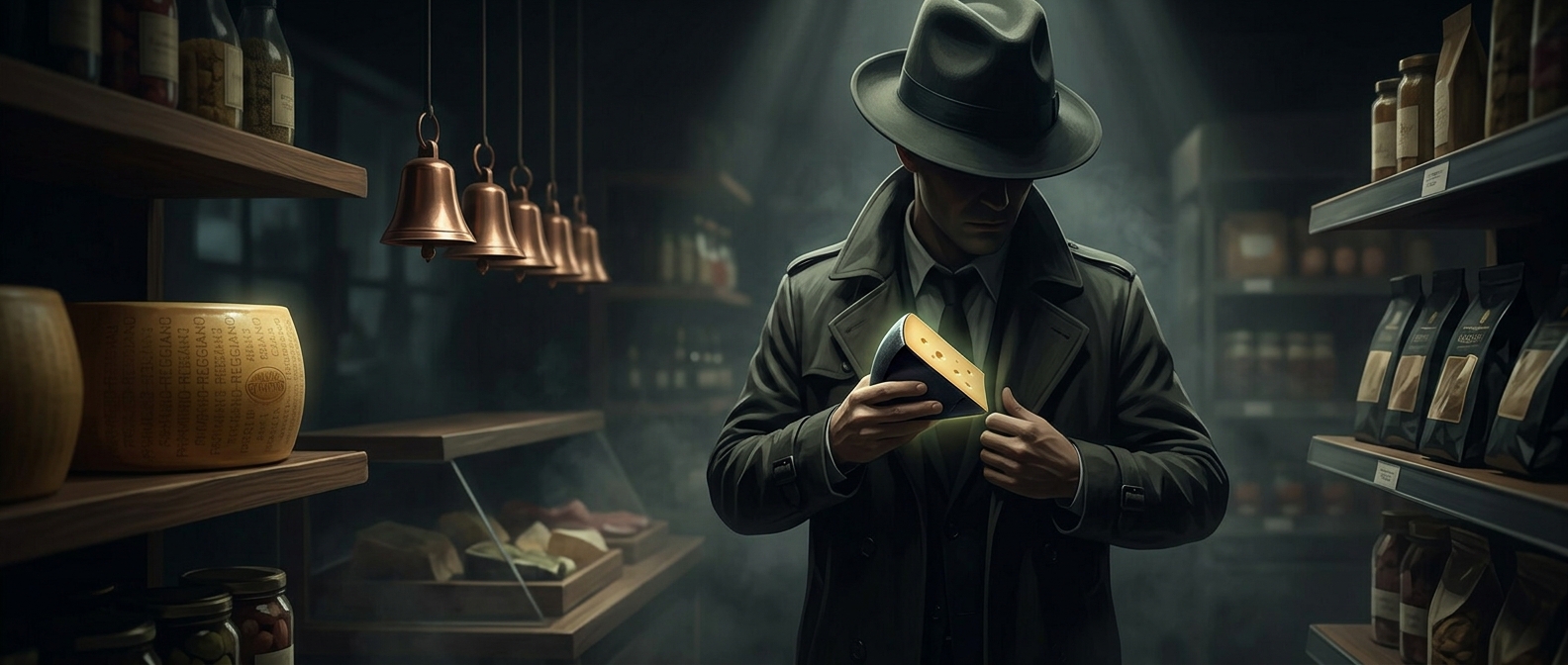
In a counter-service shop, customers usually asked for an item and a clerk brought it out. Letting people browse goods on open display changed the calculation: shoppers could inspect products themselves, but they could also slip away with them. The retailer’s choice was not between theft and perfect security. It was between reducing theft and making shopping more inviting.
Browsing Turned Looking Into Buying
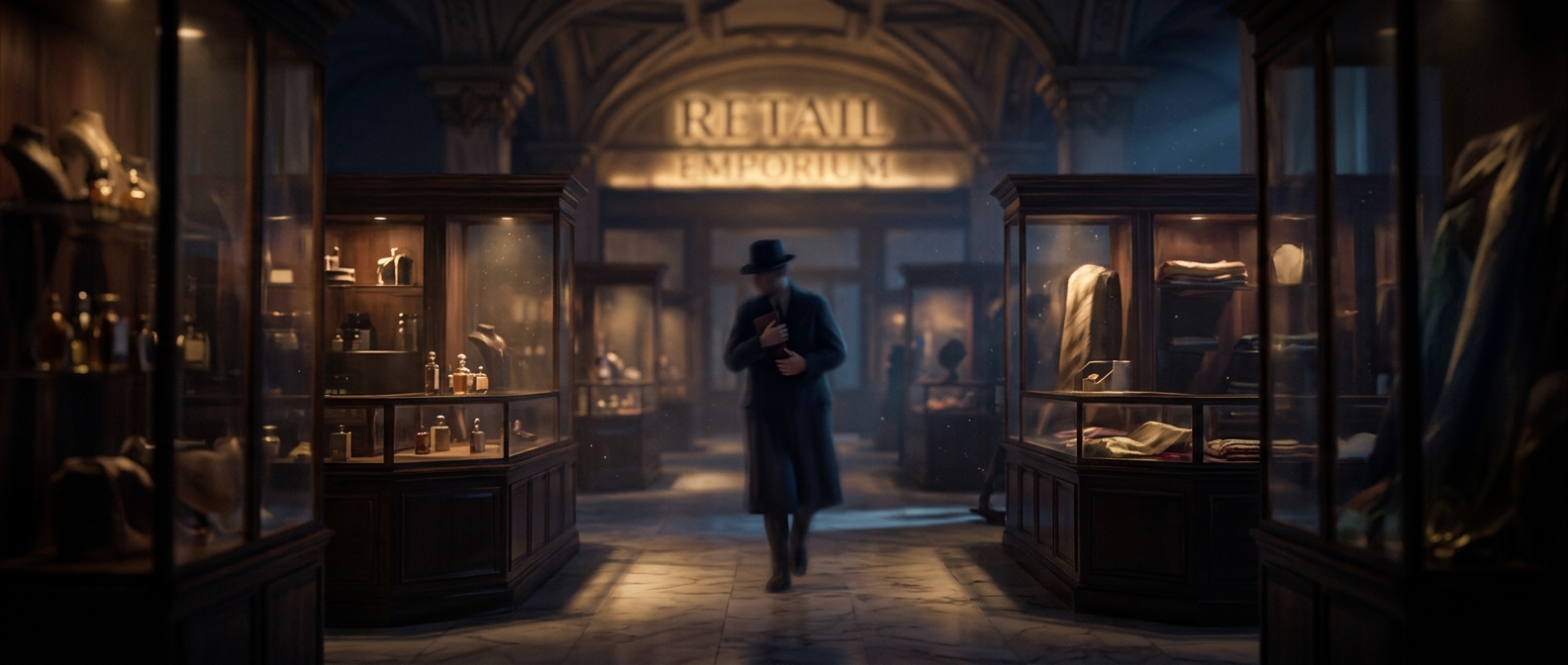
A customer who could pick up an object could judge its weight, texture, finish, or fit more easily than one who saw it from behind a counter. That hands-on inspection could also draw attention to goods the shopper had not planned to buy. A small purchase might begin with curiosity: the item was visible, within reach, and easy to consider on the spot.
This mattered because every extra step—finding a clerk, asking to see an item, waiting for it to be fetched—could interrupt that impulse. Open displays removed some of that friction. The store risked losing individual pieces, but it gave more shoppers a chance to discover and choose products.
A Tradeoff Measured Across the Store
The decision made sense if the additional sales brought in more than the value of the goods that disappeared. That did not make theft harmless, or mean every retailer benefited equally. It meant that tighter control could carry its own cost: fewer opportunities to browse, handle, and buy.
The tradeoff helps explain why retail design is also a business decision. Putting merchandise within reach made the shop less secure in one way and more persuasive in another. The very freedom that allowed a customer to walk off with an unpaid item could also turn a casual visit into an unplanned purchase.