Why education gets more expensive to provide
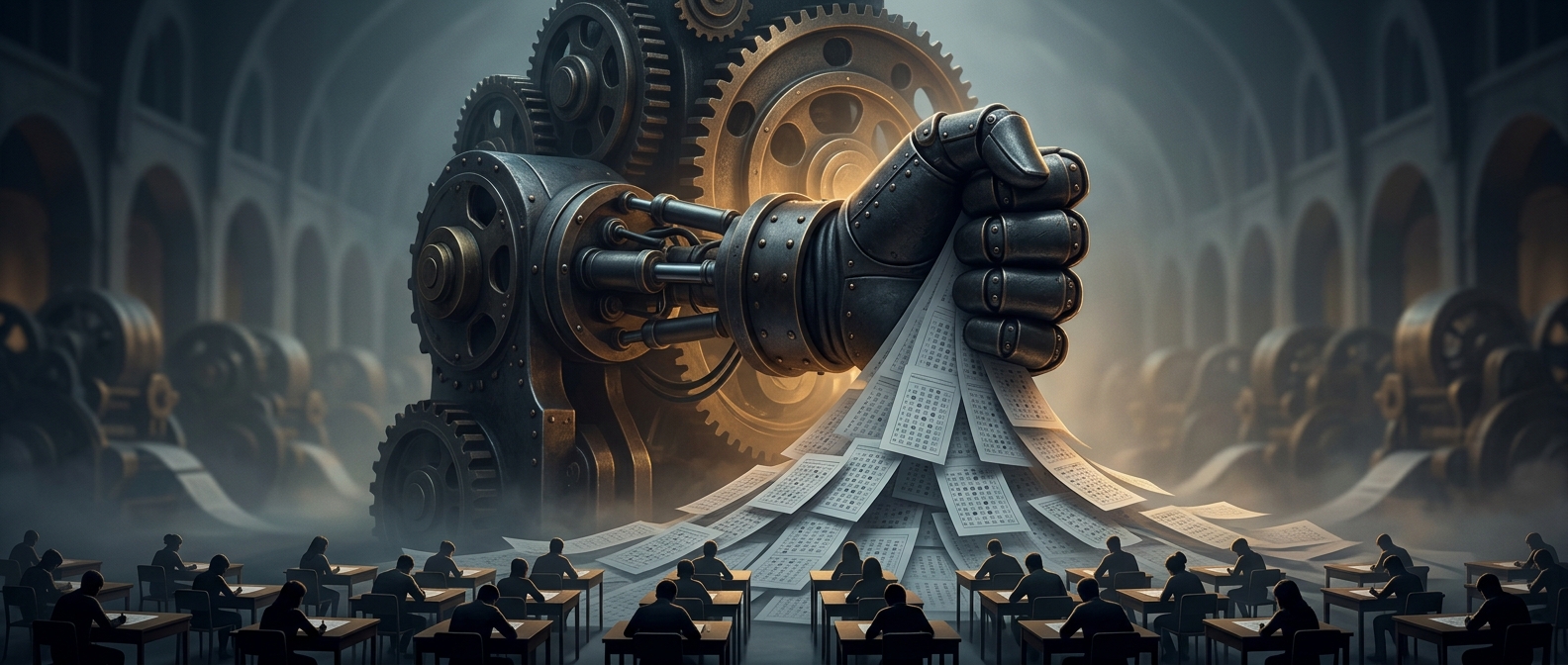
A lecture hall can seat more students than a small seminar room, but that changes the kind of teaching students receive. The labor at the heart of education—explaining ideas, noticing confusion, giving feedback, and guiding discussion—still takes time. Technology can distribute a lesson widely, but it does not automatically provide each student with individual attention.
That makes teaching a labor-intensive service: its quality depends substantially on people doing work that is difficult to speed up without changing the service itself.
The wage pressure comes from elsewhere
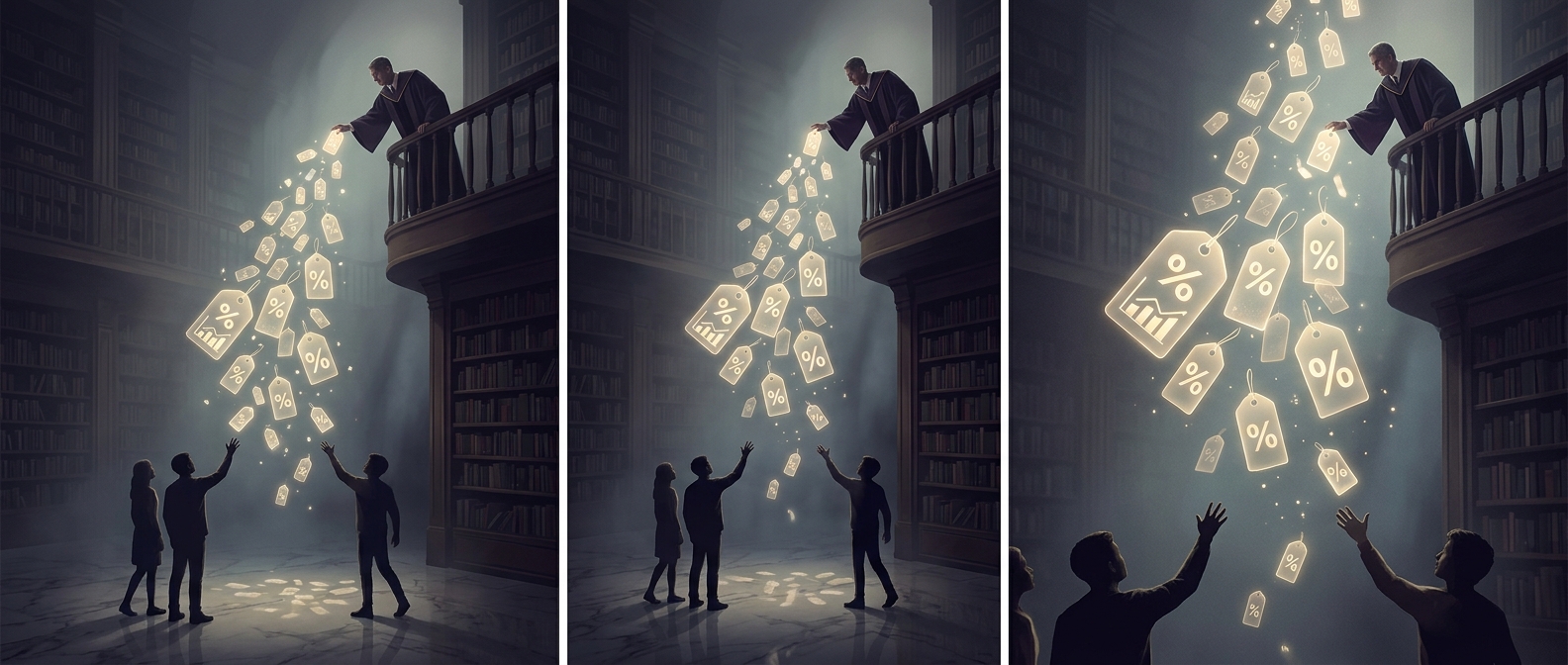
In some industries, improved tools and processes let each worker produce much more. Those industries can afford to raise pay as they become more productive. Schools and colleges still have to compete for skilled workers, so they may need to offer higher wages even when a teacher cannot responsibly take on many more students.
Economists call this pattern Baumol’s cost disease. “Disease” is a metaphor, not a flaw in teaching: it describes how the cost of labor-intensive work can rise relative to the cost of goods whose production has become more efficient.
Higher cost is not the same as better teaching
If an institution spends more to retain instructors or keep classes small, the added spending may help preserve its existing level of instruction rather than improve it. In that case, tuition rises while the student’s visible experience changes little. The increase can reflect the cost of maintaining a labor-intensive service in a higher-wage economy—not a matching leap in educational quality.