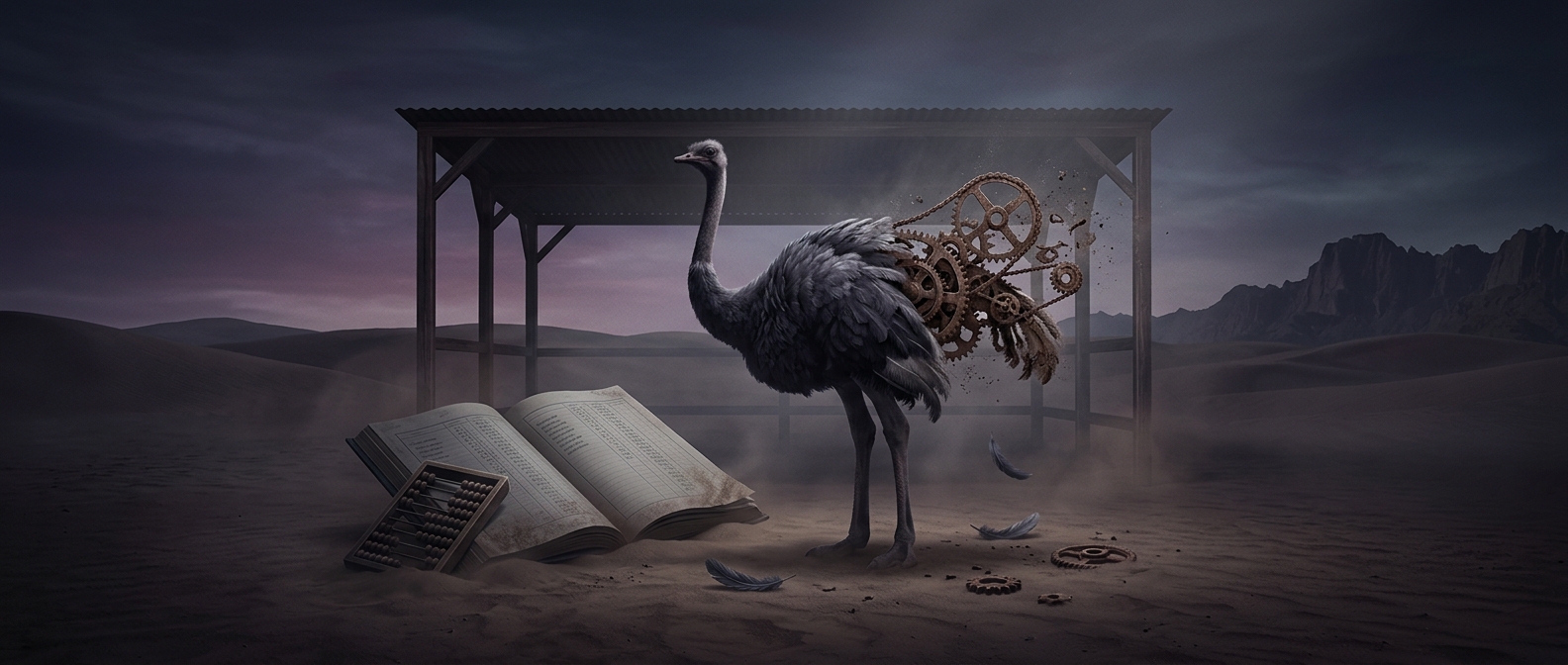
Why a Breeding Ostrich Can Be Depreciated
A breeding ostrich is not farm equipment, but tax accounting can treat both as long-lived business assets. If a farmer buys an animal to produce eggs or offspring over several years, its cost is generally recovered gradually through depreciation rather than deducted all at once. The same basic idea applies to a tractor: each year of use accounts for part of the asset’s cost.
Depreciation is an accounting deduction, not a payment from the IRS. It reduces the farm’s taxable income over time, reflecting that the farmer is using up an asset’s business value as it helps generate income.
The Purpose Determines the Tax Treatment
What matters is the animal’s role in the operation. A bird kept for breeding is a productive asset; an animal raised for sale or slaughter is generally handled differently, as part of the farm’s goods for sale. The distinction is about how the animal is used, not whether it has feathers or an engine.
That makes the comparison useful—but not literal. Ostriches and tractors do not necessarily have the same recovery period or tax details. The broader principle is that a farm can spread the cost of certain assets used in its business across the years they help produce income. In the farm’s books, a breeding bird can therefore appear alongside machinery as something whose cost is recovered over time.